
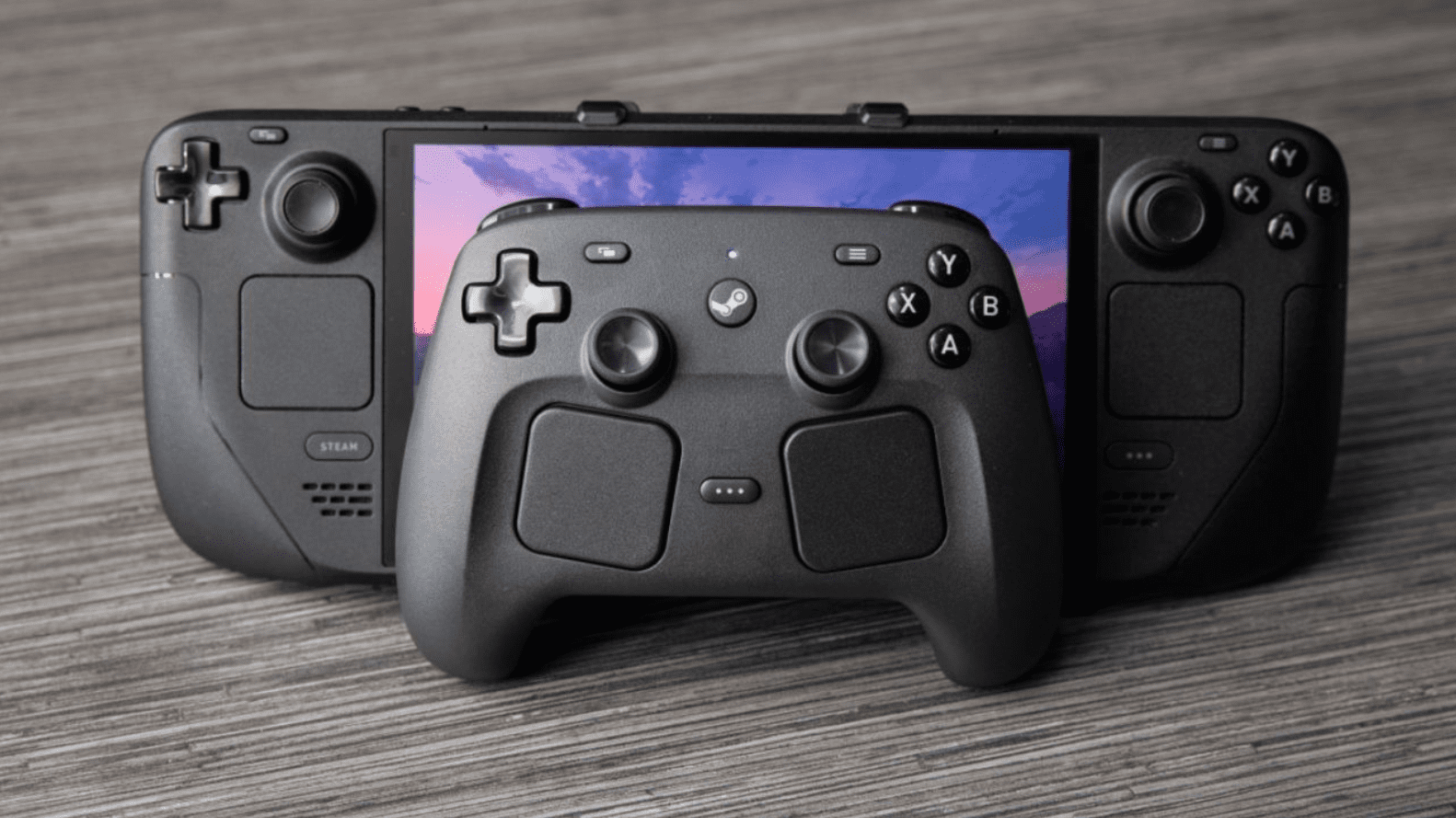
I was sitting on my couch last winter, Steam Deck in hand, thinking about how much I genuinely loved the idea of PC gaming from a couch without wrestling with a tower PC behind the television. The Steam Deck delivered that on a small screen. But the moment Valve hinted at something bigger, something designed for the television, I got excited in a way I had not since the original Steam Machine announcement back in 2015. Then the price dropped, and my wallet felt it immediately.
The new Valve Steam Machine launching at over $1000 with no controller in the box stopped a large portion of the gaming community cold. That number sits well above what many people expected based on earlier hardware speculation. Early community estimates pointed toward somewhere around $750, which felt reasonable given component costs and what Valve had already delivered with the Steam Deck. A thousand dollars without even a gamepad threw those calculations off completely.
But here is the thing. Once you sit with Valve’s explanation and understand the actual context behind it, the price starts to make sense. Not comfortable sense, not the kind of sense that makes you rush to click buy, but logical sense rooted in how open hardware platforms actually work versus how closed gaming systems operate. This article breaks all of that down in plain terms, covers what is actually inside the Steam Machine case, explains the memory problem that nobody saw coming, and walks through why building your own SteamOS machine might be the smarter financial decision depending on your situation.
The Price Point That Stopped the Community in Its Tracks
When the $1049 figure surfaced for the base Steam Machine configuration, forum threads lit up within hours. Reddit boards comparing the Steam Machine to the PlayStation 5 filled up fast. Many pointed out that Sony sells a console with more mainstream brand recognition for less money upfront. That comparison felt natural. Both devices sit under a television. Both run games. Both use a controller. On paper the comparison seems obvious.
The problem is that comparison treats two fundamentally different products as the same thing, and Valve has been clear about why that framing misses the point entirely.
The sticker shock is real. I felt it too. I had a budget in mind and the Steam Machine blew past it without hesitation. But the anger online came partly from a mismatch in expectations. People expected console pricing because the Steam Machine looks and behaves like a console when you are using it from the couch. The form factor creates that assumption. Valve built a device that plays PC games on a television using a gamepad through an operating system that feels polished and intentional. That experience reads as console-like. The price does not.
Early adopter demand will likely clear out initial inventory without much trouble. Enthusiasts who have been waiting for a proper living room PC that does not require building their own system will spend that money without hesitation. The real question is whether the Steam Machine builds long term adoption beyond that initial wave, and that question depends heavily on whether Valve adjusts pricing or expands configurations over time.
Understanding why the base price sits where it does requires understanding something most console buyers never think about. Console manufacturers do not make money selling consoles. They make money after you buy the console.
Why Valve Cannot Sell the Steam Machine at a Loss the Way Sony Sells a PlayStation
Sony does not profit on PlayStation hardware sales at launch. The company sells PlayStation 5 units at or below cost depending on the production run and manufacturing cycle. That is not speculation. That is a well documented business model that Sony, Microsoft, and Nintendo have all operated under for decades. The console manufacturer recoups that hardware loss through game sales, PlayStation Plus subscriptions, and the cut Sony takes on every digital purchase made through its storefront.
That model works because Sony controls the entire chain. You buy a PlayStation. You buy games through PlayStation Store. You pay for PlayStation Plus to access online features and free monthly titles. Every part of that pipeline sends money back to Sony. The company can afford to sell you the box below cost because it knows with high statistical confidence that you will spend significantly more money on the platform over the next five to seven years.
Valve’s business model does not allow for that same approach. Steam operates as an open storefront. You can buy and install games from outside Steam on a Steam Machine. You can install other game launchers. You can use the hardware for tasks that have nothing to do with Valve’s platform at all. That openness is the whole point. Valve has never locked the Steam platform behind hardware exclusivity in the way Sony locks PlayStation exclusives to PlayStation hardware.
Because Valve cannot guarantee that every Steam Machine owner will funnel purchases through Steam, the company cannot justify subsidizing hardware costs the way traditional console makers do. The math simply does not work the same way. Valve does not have a subscription service that generates monthly recurring revenue from hardware owners. Valve does not force users to pay for online play. Valve does not take a 30 percent cut on every dollar spent on the platform with the certainty that a walled garden delivers.
What Valve does have is a massive PC gaming platform with hundreds of millions of users, a reputation for consumer friendly policies, and a track record of not restricting what users do with their devices. That reputation is worth something. But it does not pay for subsidized hardware at scale.
I actually respect this position more than the subsidy model, even if it costs me more upfront. The PlayStation model feels generous until you realize that Sony will block you from moving games to a competitor, charge you annually for features that used to be free, and shut down digital storefronts for older consoles without warning. The openness of the Steam platform is what has kept PC gaming healthy and competitive for two decades. Valve protecting that openness even at the cost of hardware price accessibility makes philosophical sense, even when it hurts the wallet.
For a detailed look at how the Valve Steam Machine compares as a living room PC platform, that breakdown covers the experience from an early access perspective well. 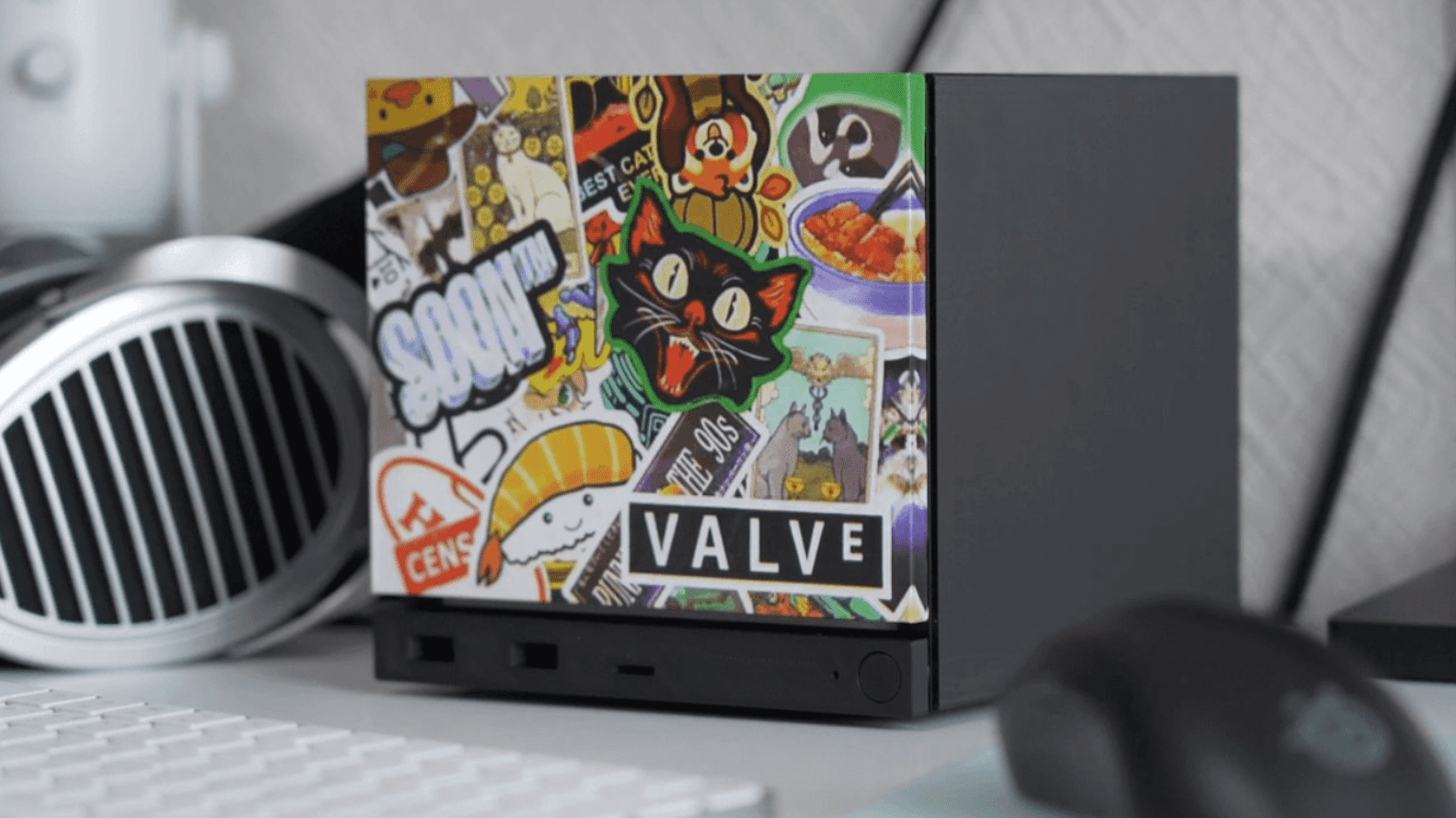
Sony vs Valve: Two Business Models That Cannot Coexist in the Same Price Category
The comparison between Sony’s PlayStation and the Valve Steam Machine keeps coming up in community discussions, and it makes sense on the surface. Both are gaming devices. Both connect to televisions. Both use controllers. Both run games people want to play. But the underlying structure of each business is so different that comparing prices directly produces a misleading picture.
Sony operates a closed vertical ecosystem. Hardware, software, online services, and the storefront all belong to Sony. That vertical integration gives Sony enormous control over pricing and recovery. It also means that every dollar you spend on PlayStation after the initial box purchase flows primarily back to Sony. Game publishers pay Sony to distribute titles on the platform. Subscription revenue from PlayStation Plus runs into the billions annually. Downloadable content, microtransactions, and digital game sales all carry Sony’s cut.
Valve operates horizontally. The Steam platform is a service that sits on top of hardware the user owns and controls. Valve takes a percentage of game sales, but the company cannot force users to buy through Steam. It cannot mandate subscriptions. It cannot lock players out of content they purchased if they stop paying a monthly fee. That structure creates genuine consumer protection, but it removes the financial cushion that lets Sony sell hardware below cost.
Think about it from a pure numbers perspective. Sony sells a PS5 at $499. Over the life of that console, the average PlayStation owner spends several hundred dollars on games, subscriptions, and add-ons through Sony’s controlled channels. Sony recovers the hardware loss and generates profit from that lifecycle spending. Valve cannot make that same calculation with confidence because a Steam Machine owner might buy half their games through Humble Bundle, run them through a third party launcher, and never pay Valve a cent beyond what they paid for the hardware itself. The open platform that makes Steam beloved is the same feature that makes subsidized hardware pricing impossible.
This is not a criticism of Valve’s model. It is simply a different model, and it produces a different entry price. The Steam Machine owner gets more freedom. That freedom costs more upfront. Whether that trade is worth it depends entirely on how much you value that freedom and how you plan to use the device.
Inside the Steam Machine: What Early Hardware Previews Actually Showed
The early technical teardowns of the Valve Steam Machine gave the hardware community its first real look at what Valve built inside that compact enclosure. The results were impressive and explained a lot about the cost structure.
The main processing architecture sits on a Pico ITX motherboard. This format is significantly smaller than the Mini ITX boards that enthusiast builders typically use in small form factor PC projects. Getting a full gaming architecture onto a Pico ITX layout while maintaining thermal stability and performance headroom requires precise engineering. It is not simply a matter of shrinking things down. Every component placement decision affects airflow, thermal output, signal integrity, and power delivery. The engineering required to make that work reliably at gaming workloads is substantial.
The processing core draws clear inspiration from high performance laptop silicon. Hardware analysts noted that the integrated graphics configuration mirrors what you would find in chips like the AMD Radeon RX 7600M XT, a mobile GPU typically found in premium gaming laptops. The design places the main processor directly next to four dedicated video memory modules on the board. This tight physical arrangement serves thermal and electrical efficiency, but it also removes the flexibility that desktop PC builders take for granted.
The overall internal layout reflects the challenge of packing serious gaming performance into a form factor smaller than most desktop graphics cards. Component placement follows thermal priority rather than upgrade convenience, which creates implications for long term ownership that we will cover later in this article.
What struck hardware reviewers most was not the processing specifications themselves but the overall integration density. This is not a standard desktop build shoved into a smaller case. It is a purpose built system where every component choice serves the goal of maximum performance per cubic centimeter. That kind of engineering costs money to develop and manufacture, and that cost shows up in the retail price.
The Cooling System That Dominates the Interior Space
Thermal management inside the Steam Machine deserves its own discussion because it explains both the device’s capability and its limitations simultaneously. Approximately 80 percent of the internal volume inside the Steam Machine enclosure is occupied by a copper finned heatsink assembly. That is not a typo or an exaggeration. The cooling solution physically dominates the case interior in a way that surprises engineers who open the unit for the first time.
This approach to thermal design is intentional and necessary. A compact device running sustained gaming workloads generates significant heat in a small physical space. Unlike a full desktop tower where hot air rises naturally through a large case volume, the Steam Machine has almost no passive cooling space to work with. The massive copper heatsink compensates for that constraint by providing an enormous surface area for heat dissipation in a compressed footprint.
Copper finned heatsinks work by transferring heat from the processor through direct copper contact, spreading it across dozens of thin fins that a fan pushes air through. The efficiency of this system depends on fin density, copper purity, fan airflow rate, and the physical contact quality between the heatsink base and the processor. Getting all of these factors right in a case this small requires engineering that goes well beyond what hobbyist small form factor builds typically achieve.
I have built two small form factor PCs from scratch over the past few years. Both used standard Mini ITX cases with off-the-shelf cooling solutions. Managing thermals in those builds took real effort and multiple iterations of fan configuration and case orientation before reaching stable temperatures under load. What Valve has engineered into the Steam Machine compresses that challenge significantly further. The fact that it works reliably through extended gaming sessions speaks to the quality of the thermal design.
The tradeoff is that the heatsink assembly physically blocks access to much of the motherboard. You cannot simply open the case and swap components the way you might in a standard desktop PC. The heatsink takes up the room that would normally allow you to reach memory slots, storage connectors, and other upgradeable components. This creates the upgrade complications that became a significant point of discussion after the teardowns went public.
From a pure thermal performance standpoint, the design succeeds. The Steam Machine maintains its target clock speeds through the kind of extended gaming sessions where lesser compact systems would throttle performance to prevent overheating. The engineering delivers on its promise. The consequence of that engineering approach for repairability and upgradability is a separate conversation.
AMD 7600M XT Performance and What It Means for Your Game Library
The graphics capability inside the Steam Machine reflects a deliberate choice to target the living room gaming use case rather than trying to match desktop GPU performance at any price. The AMD 7600M XT architecture, which the Steam Machine’s integrated graphics closely mirrors, delivers performance that sits comfortably above what most people experience on a midrange console but below what a dedicated desktop GPU with its own cooling loop and power budget can achieve.
For the actual games most Steam library owners play, that performance level is more than sufficient. Steam’s most played games list consistently features titles that do not require extreme graphics hardware. Games like Dota 2, Counter-Strike 2, Elden Ring, and the range of indie titles that dominate Steam’s top played charts all run well within what this GPU tier can deliver at 1080p and many at 1440p with reasonable settings adjustments.
The more demanding AAA titles present a more nuanced picture. Games targeting 4K output at ultra settings will push the hardware into compromised frame rates. For those titles, users will need to accept either lower resolution output or reduced visual settings. This is not a surprise given the thermal and power constraints of the form factor. It is a known limitation that applies to every mobile GPU tier architecture operating within strict power envelopes.
What the Steam Machine offers that a midrange gaming laptop with the same underlying GPU does not is the television connected living room experience with a proper cooling solution that sustains performance over long sessions. Gaming laptops with similar chips often throttle after extended play because the chassis thermal limits kick in. The Steam Machine’s purpose built cooling system, that massive copper heatsink we discussed, prevents that performance drop.
For most of what sits in a typical Steam library, the performance level is the right call for this device category and price point. If your primary gaming focus is the latest graphically demanding titles at maximum settings, a different solution makes more sense. If your library looks like most Steam users’ libraries, you will spend most of your time well within what this hardware delivers comfortably.
The Memory Problem That Nobody Predicted
The RAM situation inside the Steam Machine became one of the more confusing hardware stories to come out of the early review period. Initial technical documentation revealed that the device shipped with a single 16 gigabyte DDR5 memory module. Hardware engineers flagged this immediately because single channel memory operation leaves performance on the table compared to what dual channel configuration delivers.
Memory channels matter in systems with integrated graphics. When a GPU shares the processor’s memory bandwidth rather than having its own dedicated VRAM pool, the available bandwidth directly affects how quickly the graphics processor can access the data it needs to render frames. Dual channel memory doubles the available bandwidth, which translates to measurable frame rate improvements in GPU bound gaming scenarios. Shipping a gaming PC with single channel memory felt like an engineering oversight to the hardware community.
Then the situation got stranger. Different reviewers reported different memory configurations in their units. Some received the single 16 gigabyte stick that the documentation described. Others opened their units to find two 8 gigabyte sticks running in dual channel mode. The hardware was not consistent across review units, and nobody initially understood why.
Valve’s explanation cleared up the confusion while simultaneously highlighting a structural challenge the company faces as a hardware manufacturer. The varying configurations result from global supply chain constraints that affect component availability at the manufacturing level. Valve does not have the procurement leverage that allows Sony or Microsoft to lock in component supply chains at volume months or years ahead of launch. Those companies manufacture hardware at a scale that gives them priority access to specific components and the ability to negotiate guaranteed supply of identical parts across large production runs.
Valve operates at a different scale. When a specific 16 gigabyte memory module becomes scarce or pricing spikes, the company may source two 8 gigabyte modules instead to maintain production continuity. Both configurations deliver 16 gigabytes of total system memory. The performance difference between them is real and measurable in GPU intensive workloads, but both configurations ship as specified 16 gigabyte systems.
This is not unique to Valve. Many PC manufacturers deal with component substitutions during production runs, particularly during periods of supply constraint. What makes it notable in the Steam Machine’s case is that the performance difference between single and dual channel memory is significant enough in integrated graphics scenarios to be worth discussing. A dual channel unit will deliver better frame rates in GPU bound games than a single channel unit running identical software.
Buyers who care about getting the dual channel configuration face a practical problem. There is no reliable way to determine which configuration you will receive before the box ships. Valve has not established a clear product differentiation between the two configurations. Both are sold as the same unit at the same price, which means some buyers will get a performance advantage over others by luck of the production batch.
For a technical breakdown of the Steam Machine’s $1049 price point and component choices, that report covers the initial pricing reveal and what comes in the box in useful detail.
Why the Supply Chain Makes Valve’s Hardware Situation Harder Than It Looks
The memory configuration inconsistency opens a broader conversation about what it actually means to build and ship gaming hardware as a company that does not operate at Sony or Microsoft scale. This context matters for understanding both current limitations and what future Steam Machine iterations might look like.
Large console manufacturers place component orders that run into the tens of millions of units per year. Those order volumes give them priority allocation from semiconductor manufacturers, memory suppliers, and component distributors. When DDR5 supply tightens globally because data center demand spikes, Sony has contractual protections and pre-paid allocation that shields PlayStation production. Smaller hardware manufacturers face spot market conditions instead, meaning they buy what is available at prices that fluctuate with market demand.
Valve’s position in the hardware market sits somewhere between a large ODM manufacturer and an enthusiast hardware company. The Steam Deck sold well, but it did not reach PlayStation volume levels. The Steam Machine targets a more specific audience than the Steam Deck did, which further constrains production volume and procurement leverage.
This supply chain reality directly affects component consistency, component cost, and ultimately retail pricing. When Valve cannot guarantee identical component sourcing across an entire production run, it faces the choice between delaying shipment until consistent components become available, shipping with whatever configuration the supply chain provides, or creating distinct SKUs for each configuration at different price points. Each option has drawbacks. The current approach of shipping both configurations as the same product avoids delays and price complications but creates the memory lottery problem that reviewers encountered.
The argument has been made in some hardware circles that Valve should offer a barebones Steam Machine variant without preinstalled storage or memory. This approach would lower the entry price meaningfully. Buyers who already own compatible DDR5 memory or spare SSDs could use existing components, avoiding the cost of purchasing components twice. Enthusiasts who bought DDR5 kits for a previous build and have sticks sitting unused would benefit directly from this option.
Whether Valve pursues this direction remains to be seen, but the suggestion has gained enough traction in technical communities that it represents a genuine product opportunity if the company wants to address price accessibility without abandoning the open platform model.
Upgrading the Steam Machine Is Not a Weekend Project
One of the most discussed aspects of the Steam Machine teardowns was what they revealed about upgrade and repair difficulty. The news here is not entirely bad, but it is definitely mixed, and the limitations caught some potential buyers off guard.
The solid state storage drive is accessible without a major disassembly process. Removing the outer casing exposes the storage slot, allowing users to swap the drive for a higher capacity or faster model with relatively minimal effort. For most users, storage is the upgrade they will want to perform first. Games keep growing in size, and the base storage configuration will fill up faster than many buyers expect. The accessible SSD slot addresses this need directly, which is a practical design choice.
The system RAM is a completely different story. The memory slot sits on the back side of the Pico ITX motherboard. Reaching it requires a teardown process that goes significantly deeper than removing the outer shell. The procedure involves disassembling the core chassis structure, and critically, it likely requires detaching or repositioning the massive copper heatsink assembly that dominates the interior.
Detaching a heatsink during a home upgrade creates several risks that the average consumer should take seriously. Heatsinks attach to processors using thermal interface material, typically thermal paste or a thermal pad, that provides efficient heat transfer between the two surfaces. Removing the heatsink disrupts that thermal interface. Reattaching it without properly reapplying thermal material, or without achieving correct mounting pressure, degrades cooling performance and can lead to thermal throttling or long term reliability problems.
For someone with experience building PCs, reapplying thermal paste during a heatsink removal is a normal part of maintenance. For the average consumer who bought a Steam Machine as a turnkey gaming device, it represents a technical barrier that feels unreasonable for what should be a simple component swap.
I asked several people in my gaming circle whether they would attempt a RAM upgrade on a device that required heatsink removal. Every single one said no. These are people who understand hardware at a basic level. They know what RAM is. They have installed RAM in desktop PCs before. But the prospect of disassembling a compact proprietary system down to the bare motherboard to reach a single memory slot stopped all of them. That response tells you something real about how upgrade accessibility affects long term ownership satisfaction.
The practical implication is that the memory configuration you receive in your retail unit is effectively the memory configuration you will live with for the device’s lifespan unless you are comfortable with a deep teardown or willing to pay for professional service. For the buyers who receive the dual channel dual stick configuration, that is acceptable. For those who end up with the single stick single channel setup, it represents a performance limitation with a complicated fix.
This upgrade complexity feeds back into the value discussion around the $1000 price point. When you buy a desktop PC for $1000, you expect to upgrade it over time as components improve or become more affordable. That upgrade path is part of what makes PC gaming a compelling long term investment. The Steam Machine’s restricted upgrade access compresses that benefit significantly and brings the device closer to console-like ownership constraints despite its PC foundations.
Building Your Own SteamOS Machine Costs Less and Here Is How
The $1000 price point and the upgrade complications around memory and cooling have pushed a meaningful portion of the technical community toward a DIY alternative. This option was always theoretically possible but became genuinely practical recently with software developments that make the experience match what Valve ships in the official hardware.
Building a small form factor PC using older generation AMD architecture delivers comparable gaming performance at a significantly lower cost. The AM4 platform, which AMD launched in 2017 and supported through multiple processor generations, provides a deep market of used and discounted components. Processors like the Ryzen 5 5600G include integrated Radeon graphics capable of running most of the Steam library at acceptable settings. These chips appear on the used market for a fraction of what they cost during their launch window.
A typical DIY living room PC build using this approach might include a used Ryzen 5 5600G, a low profile Mini ITX case designed for living room placement, 16 gigabytes of DDR4 in dual channel configuration, a 1 terabyte NVMe SSD, and a compact power supply. Total component cost for this build runs somewhere between $300 and $450 depending on sourcing and current used market prices. That represents a savings of $550 to $700 compared to the official Steam Machine entry configuration.
The gaming performance difference between the official Steam Machine hardware and an older generation AM4 APU build is real and measurable in the most demanding titles. The AMD 7600M XT architecture inside the Steam Machine performs noticeably better at higher settings and resolutions than a Ryzen 5 5600G’s integrated graphics. For competitive games, older titles, and the broad midrange of the Steam catalog, the performance gap matters less. The gaming experience is still good. For the latest demanding releases, the performance difference becomes more apparent.
What makes this DIY path genuinely viable now is SteamOS 3.8, which Valve released as a public download for installation on non-Valve hardware. This changes the DIY calculus substantially.
SteamOS 3.8 Turns Any Compatible PC Into a Steam Machine
The availability of SteamOS 3.8 as a public download fundamentally changes what the Steam Machine’s open platform philosophy means in practice. Valve did not lock SteamOS to its own hardware. The company made the operating system freely available for anyone to install on compatible hardware. That decision reflects exactly the kind of open platform thinking that explains why the Steam Machine cannot use a subsidized hardware pricing model.
SteamOS 3.8 installs on x86 hardware and boots directly into Steam’s Big Picture mode, the full screen interface designed for television display and controller navigation. The experience on a compatible DIY build feels essentially identical to using the official Steam Machine from the user’s perspective. Games launch from the same interface. The controller configuration tools work the same way. The integrated display scaling and performance overlay function the same. The software experience that Valve spent years refining for the Steam Deck translates to custom hardware through this public release.
Installation requires some technical comfort. The process is not quite as simple as installing Windows, but it is not significantly more complicated either. Users download the OS image, write it to a USB drive using a standard flashing tool, and boot from that drive to install. The process takes roughly 20 to 30 minutes for someone following documentation. For anyone who has built a PC before, it is a straightforward procedure.
Hardware compatibility varies. AMD hardware in general has strong SteamOS support because Valve optimized the Steam Deck around AMD silicon and the community contributions to Linux kernel drivers for AMD graphics are well established. Intel integrated graphics works reasonably well in current SteamOS builds. Nvidia discrete graphics support has improved but remains less consistent than AMD options for the full SteamOS experience.
The PCGamingWiki SteamOS documentation provides a useful resource for understanding hardware compatibility, known issues, and workarounds that the community has developed for specific hardware configurations. Anyone planning to install SteamOS on custom hardware should review that resource before purchasing components.
Game compatibility on SteamOS relies on Proton, Valve’s compatibility layer that runs Windows games on the Linux based operating system. Proton has matured substantially over the past four years. The vast majority of the Steam catalog runs through Proton without significant issues. Some games with aggressive anti-cheat software that relies on Windows kernel level access do not function, but that list has shrunk considerably as anti-cheat developers have added Proton support. Before installing SteamOS on custom hardware, checking your specific game library against the ProtonDB compatibility database gives you a clear picture of what will and will not work.
Who Should Actually Buy the Steam Machine and Who Should Build Instead
After going through all of this, the practical question becomes clear. Who makes sense as a Steam Machine buyer, and who should skip the official hardware in favor of a custom build with SteamOS installed?
The official Steam Machine makes sense for buyers who want a single purchase that works immediately without requiring any technical assembly or configuration. The device ships ready to use. The thermal engineering is handled. The software is configured. You connect it to your television, attach a controller, and start gaming. That convenience has real value for people who do not want to spend time sourcing components, assembling hardware, and troubleshooting operating system installation.
It also makes sense for buyers who want the most current hardware available in the SteamOS ecosystem without building around components that are one or two generations old. The AMD 7600M XT architecture inside the Steam Machine delivers better performance per watt and better performance per dollar at the high end of the catalog than the DIY alternatives currently available at similar price points in a comparable form factor.
The DIY SteamOS route makes sense for buyers who have some PC building experience, do not need the absolute latest hardware tier, and want to keep total spending well below $1000. If your Steam library consists primarily of games released before 2022 and you do not prioritize the most graphically demanding new releases, a $350 to $450 DIY build running SteamOS delivers a living room PC gaming experience that satisfies most needs at a fraction of the cost.
The DIY route also makes sense for buyers who value upgrade flexibility. A Mini ITX build using standard socketed components lets you swap the processor, add a discrete GPU in cases where the form factor supports one, upgrade storage freely, and replace memory without deep disassembly. That long term flexibility has value over a three to five year ownership period that the Steam Machine’s more integrated design does not easily match.
For a comparison of how the Steam Machine competes with the current PlayStation platform as a living room gaming option, the current PS5 milestone and PS6 timeline context affects how you evaluate the Steam Machine’s position in the broader living room gaming market.
The Semantic Picture: Why This Launch Matters Beyond the Price Debate
The Steam Machine launch in 2025 represents something more significant than a single hardware announcement. It signals that Valve views the living room gaming PC market as worth investing in with purpose built hardware despite the commercial complications that open platform philosophy creates. The first Steam Machine generation in 2015 failed to establish a foothold because the software was not ready and the hardware ecosystem was fragmented across multiple manufacturers. This generation is different on both counts.
SteamOS has matured into a genuinely capable gaming operating system through years of Steam Deck deployment. Millions of Steam Deck users provided Valve with real world usage data, compatibility feedback, and performance benchmarks that informed every aspect of SteamOS development from 2022 through today. The software that powers the Steam Machine is not a fresh attempt at Linux gaming. It is a tested, refined platform that handles the practical realities of gaming workloads on AMD hardware better than any previous Linux gaming implementation.
The hardware, despite its upgrade complications and price point, shows that Valve solved the thermal engineering problem that dogged the original Steam Machine generation. Those 2015 machines from various manufacturers struggled with heat management in compact cases. The current Steam Machine’s copper heatsink assembly, whatever you think about the access restrictions it creates, keeps the processor running at target performance levels through extended gaming sessions. That baseline reliability was not guaranteed in the first generation.
For game publishers, a successful Steam Machine launch creates an incentive to take SteamOS compatibility seriously at the development stage rather than treating it as an afterthought. When a meaningful installed base of SteamOS devices exists in living rooms, developers face pressure to ensure their titles appear on the ProtonDB compatibility list with good ratings. That virtuous cycle has already begun with the Steam Deck audience, and the Steam Machine expands that audience further.
The long term picture for PC gaming in the living room depends on whether Valve can maintain and grow the Steam Machine ecosystem beyond the initial enthusiast wave. Price accessibility improvements, whether through lower cost configurations, a barebones variant, or future hardware revisions with better procurement leverage, will determine whether the Steam Machine becomes a mainstream living room option or remains a premium product for committed PC gaming advocates.
What the First Few Months of Steam Machine Ownership Actually Looks Like
Setting realistic expectations for early adopters matters here because the device asks a lot of buyers in terms of both financial commitment and patience with an ecosystem that is still maturing.
The out of the box experience is polished. Steam’s Big Picture interface has become a genuinely good living room UI through years of iteration. Navigating your library, launching games, adjusting display settings, configuring controllers, and accessing the Steam store all work well without requiring keyboard and mouse input. Valve designed this interface specifically for couch use with a gamepad, and it shows in the navigation logic and visual hierarchy.
Game compatibility in the first few months will be the main area where early adopters hit friction. Not because SteamOS has gotten worse at running Windows games through Proton, but because each user’s library presents a unique set of titles that may or may not have been tested by the community yet. New releases hit a varying compatibility timeline. Some launch with excellent Proton support on day one. Others require community patches, configuration tweaks, or Proton version changes to run correctly. Early adopters who want every new release working perfectly on launch day will encounter frustration.
The controller experience deserves mention because Valve’s controller software remains one of the platform’s genuine advantages. Steam Input provides controller mapping capabilities that go significantly beyond what any console platform offers. You can remap any button combination, create layered control schemes for games that require it, share community created configurations for games that do not have native controller support, and adjust analog stick response curves and trigger zones. For games that technically support controllers but were designed primarily for mouse and keyboard, this level of input customization produces a much better couch gaming experience than plugging a generic controller into a Windows PC.
Performance management through SteamOS also gives users meaningful control over the hardware. The integrated per game performance limits let you cap frame rates and GPU power draw to prioritize quiet operation for less demanding games or push to maximum output for the titles that need it. This granular control over power states represents a feature that consoles have started to implement but have not matched in terms of user accessibility and transparency.
Valve’s Position in the Broader Gaming Market Right Now
Valve exists in an interesting position in 2025. The company generates enormous revenue from the Steam storefront without needing to compete directly with Sony or Microsoft for console market share. Steam’s install base on Windows PC alone exceeds both PlayStation and Xbox active user counts. Valve does not need to win the living room to maintain its dominant position in PC gaming.
The Steam Machine and Steam Deck are not attempts to replace PC gaming. They are attempts to bring the Steam library into contexts where it previously could not go conveniently. The handheld context for the Steam Deck. The living room television context for the Steam Machine. Both devices expand where you can play the games you already own without requiring additional purchases or platform migrations.
This framing is important for evaluating the Steam Machine as a product. It is not competing with PlayStation for exclusive game libraries. PlayStation 5 owners play games that simply do not exist on Steam. That exclusivity is Sony’s strongest card, and the Steam Machine does nothing to change it. What the Steam Machine offers is access to the existing Steam library, which for many PC gamers represents hundreds of games they already own, in the living room TV format that console gaming perfected.
For someone who already has a substantial Steam library, the Steam Machine’s value proposition is straightforward. You are not buying access to new games. You are buying a better way to play games you already own in a context you might not have considered previously. That framing makes the $1000 price more palatable if your Steam library is worth significantly more than that in terms of games you actually play regularly.
For someone new to Steam with a small library, the value calculation is less favorable. Building a library from scratch on any platform requires ongoing spending, and starting that process on the Steam Machine while also absorbing the hardware cost creates a steeper entry commitment than starting on a platform with lower hardware costs, even if that platform locks you into a walled garden long term.
Frequently Asked Questions About the Steam Machine Price and Hardware
Why does the Steam Machine cost more than a PS5?
Sony sells PS5 hardware at or below manufacturing cost and recovers that investment through PlayStation Plus subscriptions, game sales, and digital storefront revenue. Valve runs an open platform and cannot guarantee that Steam Machine owners will generate ongoing revenue through Steam. Without that recovery mechanism, Valve must price the hardware to cover its actual manufacturing cost without subsidization.
Can you upgrade the Steam Machine RAM yourself?
Technically yes, but it requires a significant teardown that includes removing the copper heatsink assembly and potentially reapplying thermal interface material. The memory slot sits on the reverse side of the Pico ITX motherboard. The process is not recommended for users without PC building experience. The SSD upgrades with relatively less disassembly.
Why do some Steam Machines have one RAM stick and others have two?
Global supply chain constraints caused manufacturing variation between production batches. Some units ship with a single 16 gigabyte DDR5 stick while others ship with two 8 gigabyte sticks. The dual stick configuration runs in dual channel mode and delivers better GPU performance because integrated graphics performance depends heavily on memory bandwidth.
Can you install SteamOS on a custom built PC instead of buying the Steam Machine?
Yes. SteamOS 3.8 is publicly available for download and installation on compatible x86 hardware. AMD based systems have the strongest compatibility. A custom build using AMD APU hardware can replicate the Steam Machine software experience at significantly lower cost, with greater upgrade flexibility, though without the engineered thermal solution Valve developed for the official hardware.
Does the Steam Machine come with a controller?
No. The base configuration at launch does not include a controller, which contributed to the sticker shock for buyers who expected the price to cover a complete package. A separate controller purchase adds to the total cost of entry.
The Bottom Line on the Steam Machine and Its $1000 Price Tag
Valve did not price the Steam Machine at over $1000 to extract maximum profit from an enthusiast market. The company priced it where it did because open platform philosophy prevents the hardware subsidization model that makes consoles appear affordable. Sony recovers hardware losses through a closed ecosystem that generates revenue at every step. Valve refuses to build that kind of closed system, and that refusal has a direct cost that shows up in the retail price.
The hardware itself reflects genuine engineering quality. A copper heatsink assembly that fills most of the internal volume and maintains stable thermals through extended sessions. A Pico ITX motherboard layout that packs serious gaming capability into a form factor smaller than most people expect. An AMD graphics architecture that handles most of the Steam library comfortably at living room distances and reasonable settings.
The memory inconsistency is a real problem that Valve needs to address with clearer product differentiation or better supply chain management. Buyers who care about the performance difference between single and dual channel configurations deserve to know what they are paying for before the product ships.
The upgrade limitations will frustrate buyers who expected the openness of PC gaming to extend to the hardware itself. The accessible storage slot addresses the most common upgrade need. The inaccessible memory slot creates a constraint that feels out of place on a product built around open platform principles.
For buyers with an existing Steam library who want a polished living room PC experience without building their own system, the Steam Machine delivers a complete, well engineered product at a price that reflects its actual manufacturing cost. For budget conscious buyers who own some PC building experience, SteamOS 3.8 on custom AMD hardware delivers most of the same experience at $550 to $700 less.
Both paths lead to the same place. Your Steam library, on your television, played from your couch, on an operating system that Valve will keep developing and improving for years to come. The choice between them depends on how much you value convenience over cost and turnkey reliability over upgrade flexibility. Both are legitimate answers depending on who you are as a user.
The Steam Machine is not for everyone at this price. It is not trying to be. But for the people it is built for, it delivers exactly what Valve designed it to deliver, and now you know exactly why the price sits where it does.