Gears of War E Day and the Xbox Exclusivity Question: What Players Actually Want
I have been playing Gears games since the very first one came out on the original Xbox 360, and I still remember booting it up on a tiny CRT television in my room, trying to figure out why my character kept dying behind cover. So when news started spreading about Gears of War E Day and the renewed talk around Xbox exclusivity, I had to sit down and actually dig into what is going on. This is not just another internet argument about which console is better. It touches on something a lot of long time Xbox players have been quietly worried about for years: does exclusivity even mean anything anymore, and if it does, is Microsoft using it the right way.
Let me walk you through what is actually happening with Gears of War E Day, why Clockwork Revolution keeps coming up in the same breath, and what this all means for anyone who owns an Xbox, plays on Game Pass, or is just curious about where Microsoft is heading with its biggest games. Along the way, I will also throw in a full controller layout guide for both PC and Xbox, since a huge chunk of people searching for Gears of War content also want to know how the controls work, especially if they are switching from PlayStation or jumping into PC gaming for the first time.
What Is Going On With Gears of War E Day Right Now
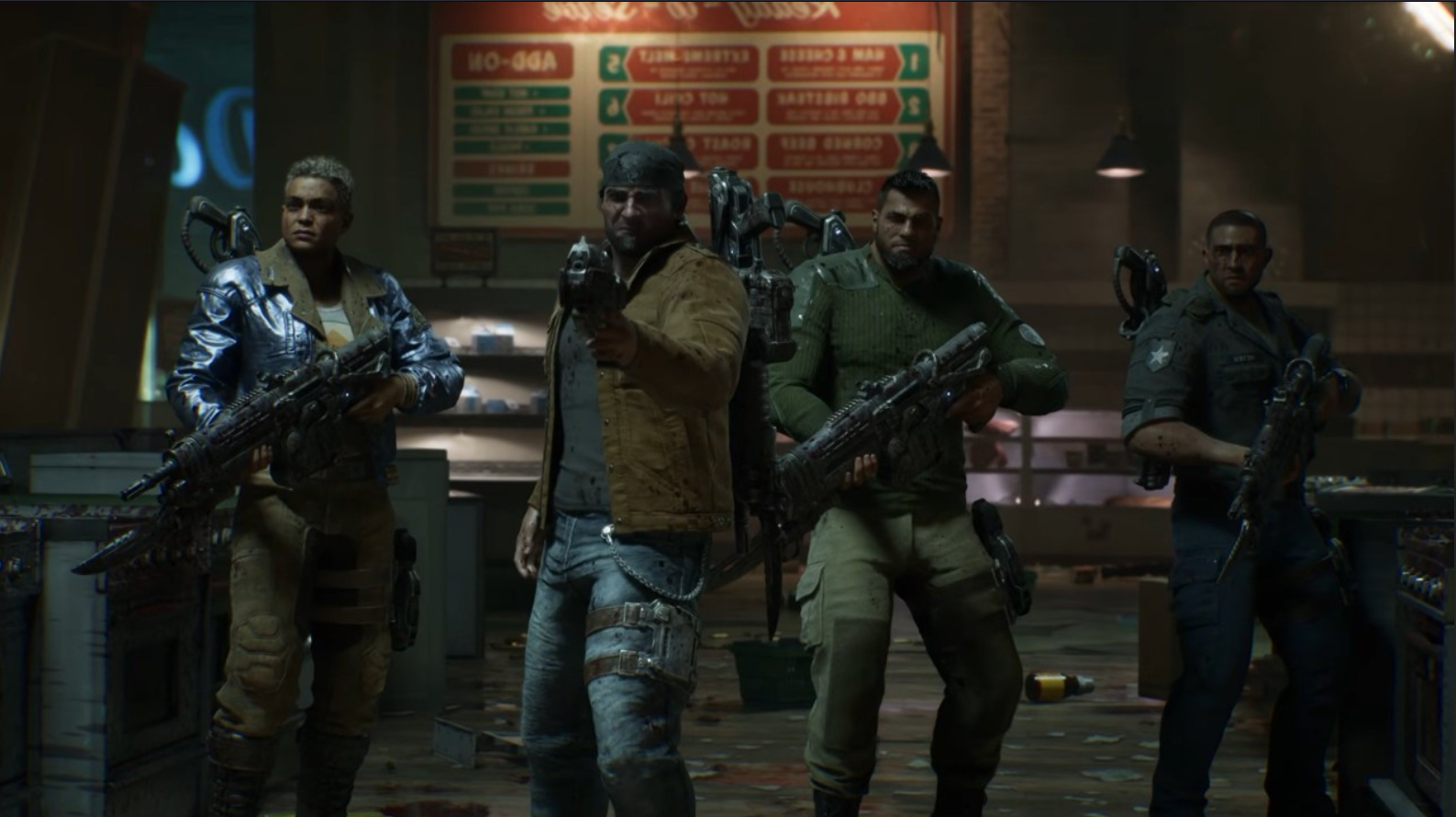
Gears of War E Day is a prequel set during the very beginning of the Locust invasion, the day everything changed for the world of Sera. For longtime fans, this is huge. It is the kind of story setup that lets the developers go back to basics, show us how Marcus Fenix and his friends were before the war hardened them, and build a campaign that actually has emotional weight instead of just being another wave of monster shooting.
But the conversation around this game has shifted away from the story and toward something else entirely: where you will be able to play it. Reports indicate that the multiplayer side of E Day is being built as a live service experience, meaning it will get regular updates, seasonal content, and probably some kind of premium currency or battle pass system. The campaign, on the other hand, sounds like it will stay closer to the classic single player formula that made the original trilogy so beloved.
Here is where things get messy. If the multiplayer is going to be a live service product that thrives on a large player base, keeping it locked to one platform for years does not really make sense from a business standpoint. Live service games need numbers. They need people grinding, spending, and sticking around. A smaller player pool on one console family limits all of that.
So when people ask “is Gears of War E Day exclusive to Xbox,” the honest answer right now is: yes, for a limited window, but probably not forever, at least not for every part of the game.
Why Starfield Keeps Coming Up In This Conversation
If you have spent any time in Xbox forums or comment sections lately, you have probably seen people bring up Starfield as the example everyone points to. Starfield launched as a system seller, marketed heavily as the reason to own an Xbox Series X or subscribe to Game Pass. Then, a while after launch, it made its way to PlayStation 5 anyway.
That moment changed how a lot of players think about Xbox exclusivity. It is no longer seen as a permanent wall. It is seen as a temporary marketing tool, something Microsoft uses to push hardware and subscriptions early, then loosens up once the initial sales window has passed. Whether you think that is smart business or a betrayal of the people who bought hardware specifically for that game depends a lot on your personal experience, but either way, it set a precedent that people now expect to repeat.
The Clockwork Revolution Connection
Clockwork Revolution is another big name that keeps getting dragged into this same discussion, and honestly, it makes sense. This is a large scale single player RPG, the kind of project that traditionally gets used to define what a platform stands for. Think about how PlayStation built its identity around story driven single player games like God of War, Horizon, and The Last of Us. Xbox has been missing that kind of flagship identity for a while, and fans have pointed out that Clockwork Revolution could be exactly the project to fill that gap.
The argument I keep seeing repeated, and one I personally agree with, is that the question is not really “should Xbox have exclusives.” Most people have moved past that debate. The real question is whether Microsoft is willing to commit fully to a small number of big single player games and let them define the platform, the way Gears of War, Halo, and Fable did during the Xbox 360 years.
Does Limiting Exclusives Actually Hurt the Xbox Brand
Some critics have argued that by only keeping a handful of titles exclusive, and even then only temporarily, Microsoft is slowly draining the value out of owning an Xbox specifically. If almost everything ends up on Steam, PlayStation, or both eventually, what exactly are you buying into when you choose Xbox hardware over a gaming PC you might already own?
This is where I think a lot of casual observers misunderstand the situation. Exclusives were never really about a single game selling a console on its own merit. It was always about a collection of experiences that, together, gave a platform a personality. You did not buy an Xbox 360 just for Gears of War 2. You bought it because Gears of War 2, Fable II, Lost Odyssey, Tales of Vesperia, Mass Effect, and a dozen other games all lived there at the same time, and together they made the platform feel like a destination rather than just a box that ran games.
The Xbox 360 Era Was Different, and Here Is Why
I owned an Xbox 360 for most of high school, and looking back, what made that console special was not any single blockbuster. It was the sheer variety of games you could only get there. Some of those games were not even massive commercial hits. Lost Odyssey, for example, never sold like a Call of Duty title, but it gave the platform something unique, a JRPG flavor that PlayStation owners did not have easy access to at the time.
That kind of layered exclusivity is much harder to build today, partly because development costs have exploded and studios cannot churn out as many big projects in parallel. Microsoft now owns a huge number of studios after the Bethesda and Activision Blizzard acquisitions, but even with all that talent, big games take years, and you cannot just snap your fingers and recreate that 360 era lineup overnight.
The Missed Window Between 2024 and 2026
One thing that comes up a lot in deeper discussions is timing. Between 2024 and 2026, Sony’s first party lineup was relatively quiet compared to previous years. Several industry watchers believed this was a golden opportunity for Microsoft to make a real dent in PlayStation’s market share, especially with games like Halo, Forza, Gears of War, and Fable all theoretically in the pipeline.
From what I have read and from conversations I have had with other longtime Xbox players, the general feeling is that this window was not used as effectively as it could have been. Big games were delayed, some got moved to multiplatform releases earlier than expected, and the lineup never quite lined up the way people hoped. Observers have noted that 2026 and early 2027 represent a kind of last chance to put together a lineup strong enough to pull new players into the Xbox ecosystem before Sony ramps back up.
Why Development Timelines Make This Even More Complicated
Studios like The Coalition, the team behind the modern Gears games, and Playground Games, known for the Forza series, do not produce major releases every year. These are multi year projects with huge teams, and once a big wave of games like this ships, it can be a long time before the next wave is ready. That is just the reality of modern game development, especially for the kind of high budget, high fidelity titles that define a platform’s identity.
This is part of why some analysts have suggested that Microsoft should be pouring everything into making each of these releases as impactful as possible on Xbox specifically, rather than rushing them onto other platforms right away. The logic is simple: if you only get a handful of these moments every few years, you want each one to count for your own ecosystem first.
Microsoft’s Official Position: No One Size Fits All
To their credit, Xbox leadership has not pretended there is a single simple answer here. They have publicly stated that they are not taking a one size fits all approach to exclusivity. Based on what has been shared, the rough plan looks like this: live service and multiplayer focused games are expected to go multiplatform, according to reports, while purely single player projects will be evaluated on a case by case basis.
This actually lines up with broader trends across the entire gaming industry, not just Xbox. Live service games depend on large, active communities. A bigger player base means better matchmaking, more active marketplaces if there are cosmetics or trading involved, and more data for developers to balance the game. Restricting a live service title to one ecosystem can actively hurt the game itself, not just sales numbers.
Single player games are a different animal entirely. They do not need a thriving online population to function. A single player RPG or campaign works the same whether ten people are playing it or ten million. Because of that, single player exclusives can serve a purely strategic purpose: getting people to choose your hardware or subscription service in the first place.
The Elder Scrolls VI Reality Check
It is worth remembering that some of Microsoft’s biggest potential exclusives, like The Elder Scrolls VI, are still years away from release. Anything said about exclusivity plans today could easily change multiple times before that game actually comes out. The same goes for other Bethesda projects and upcoming titles like Marvel’s Blade. When a game is years from launch, treating any current statement about its platform availability as final is a mistake. Plans shift based on market conditions, leadership changes, and how previous releases performed.
The Jeff Grubb Report and the PlayStation Version That Almost Was
Now here is the part of this story that really got people talking. Industry insider Jeff Grubb reportedly revealed that a PlayStation version of Gears of War E Day was actually in development and reached roughly the halfway point before being shelved. If accurate, this means a PS5 release of the game was a real possibility at some point during development, not just internet speculation.
Adding more fuel to this, statements from gaming industry figure Cartel Del suggested that even some people working at Xbox were surprised when the decision came down that Gears of War E Day would remain an Xbox exclusive. If true, that paints a picture of a major strategic decision being made very late in the development cycle, possibly after a lot of work had already gone into a multiplatform version.
I want to be careful here because these are reports and statements from individuals, not official confirmations from Microsoft. But even as rumors, they tell us something important: the decision making process around exclusivity is not always as clean or long term planned as official statements might suggest. Sometimes these calls get made quickly, possibly in response to community reaction, market pressure, or internal politics that we as players never get to see.
Should Community Feedback Drive These Decisions
This raises a fair question that I think about a lot. Is it bad for a company to listen to its community when making decisions like this? On one hand, no, listening to players is generally a good thing, and developers who ignore their audience completely tend to make games that miss the mark. On the other hand, there is a difference between thoughtful long term strategy shaped by community input over time, and a last minute reversal driven by a wave of social media posts.
From my own experience watching gaming communities react to news, social media sentiment can be loud but not always representative. The most vocal voices are not always the majority, and decisions made to appease a trending hashtag do not always age well. That said, I also do not think every late change is necessarily bad. Sometimes new information genuinely changes the calculus, and a company adjusting course based on real data is healthier than stubbornly sticking to a bad plan.
What This Means for Spyro, Senua, and Other Microsoft Owned Franchises
Once people started seeing Gears of War E Day and Clockwork Revolution as potential flagship exclusives, the conversation naturally expanded. Fans began asking why other franchises under the Microsoft umbrella, like Spyro or future Senua’s Saga related projects following Hellblade, would not get similar treatment if they turn out to be high quality enough.
The underlying idea here is not that any single game needs to be a system seller on its own. It is more about building a stable of recognizable, well loved franchises that collectively give people a reason to stay within the Xbox ecosystem rather than viewing it as just one option among several interchangeable platforms. This is part of the broader showcase strategy Microsoft seems to be leaning into, mixing big new announcements with familiar names to build that sense of a connected lineup.
What Metrics Will Actually Tell Us the Truth
When Gears of War E Day finally launches, a few numbers are going to matter a lot more than hot takes on social media. Sales figures on Xbox hardware will show whether the exclusivity period actually drove console purchases. Game Pass engagement numbers will reveal whether subscribers are actually playing the game in meaningful numbers, since a lot of people on Game Pass try games briefly without ever finishing them.
If and when the game arrives on Steam, those numbers will be watched closely too, both for player counts and for how it affects the multiplayer population on Xbox. Honestly, these numbers will tell us more about whether exclusivity still has real value in 2026 and beyond than any statement from executives ever could. Microsoft’s broader hardware support plans, including how long the Series S remains a priority, will also shape how these decisions play out over the next few years.
My Take After Following This For Months
Having followed this story since the early rumors started circulating, here is where I land personally. I do not think exclusivity is dead, but I do think the old idea of permanent exclusivity for everything is basically gone, and honestly, it probably should be. What I do think still matters is timing. Getting a game first, even for just six months or a year, genuinely shapes how a console generation is remembered. People who bought an Xbox specifically to play Gears of War E Day at launch will remember that experience differently than someone who picks it up on PS5 a year later during a sale.
At the same time, I understand the frustration from players who feel like buying into an ecosystem early means paying a premium for something that becomes available everywhere shortly after. There is no perfect answer here, and I do not think Microsoft has found one either. What I do appreciate is that they are at least being somewhat transparent that there is no single rule, even if that transparency creates its own kind of uncertainty.
Full Controller Layout Guide for Gears of War Style Games (PC and Xbox)
Since a huge number of people searching for information about Gears of War E Day are also looking for help with controls, especially if they are new to the series, switching from another platform, or playing on PC for the first time with a controller, here is a complete breakdown of how controls typically map in this style of third person cover shooter. While the exact final layout for E Day has not been fully revealed, this guide reflects the standard layout used across the Gears of War series and most modern Xbox third person shooters, which is the layout most players should expect with minor tweaks.
Xbox Controller Layout (Xbox Series X / S and Xbox One)
| Button | Default Action | Notes |
|---|---|---|
| Left Stick | Move character | Click to sprint when held forward while moving |
| Right Stick | Camera and aim | Click to zoom in while aiming weapons with scopes |
| Left Trigger (LT) | Aim weapon | Holding this brings up the aiming reticle and slows movement slightly |
| Right Trigger (RT) | Fire weapon | Tap for single shots, hold for automatic fire depending on weapon |
| Left Bumper (LB) | Tactical equipment or grenade throw | Often used for frag grenades or smoke grenades |
| Right Bumper (RB) | Melee attack | Classic chainsaw or melee execution when used on a downed enemy |
| A Button | Take cover / Vault / Interact | Context sensitive, also used to mantle over obstacles |
| B Button | Roadie run / Sprint or Crouch toggle | Hold to sprint between cover points |
| X Button | Reload weapon | Active reload mechanic, timing a second press for a damage bonus |
| Y Button | Switch weapon | Cycles between primary and secondary weapons |
| D-Pad Up | Switch to heavy weapon | If a heavy weapon is currently held |
| D-Pad Down | Switch to pistol or sidearm | Quick swap to sidearm |
| D-Pad Left and Right | Squad commands | Used in campaign to direct AI teammates |
| View Button (Back) | Open map or objective screen | Shows current objectives and map layout |
| Menu Button (Start) | Open pause menu | Access settings, inventory, and game options |
| Left Stick Click (L3) | Sprint toggle | Alternative sprint method in some configurations |
| Right Stick Click (R3) | Zoom or aim down sights toggle | Used with scoped weapons like sniper rifles |
PC Keyboard and Mouse Layout
| Key or Input | Default Action | Notes |
|---|---|---|
| W, A, S, D | Move character | Standard movement keys, can be remapped |
| Mouse Movement | Camera and aim | Sensitivity can be adjusted separately for hip fire and aiming |
| Left Mouse Button | Fire weapon | Hold for automatic weapons, click for semi automatic |
| Right Mouse Button | Aim weapon | Hold to bring up reticle and reduce spread |
| Spacebar | Take cover / Vault / Roadie run | Context based depending on environment |
| Left Shift | Sprint | Hold while moving forward to run between cover |
| R | Reload weapon | Press again at the right moment for an active reload bonus |
| Q | Switch weapon | Toggles between primary and secondary loadout |
| F | Melee attack | Close range execution move on weakened enemies |
| G | Throw grenade or tactical item | Requires grenade to be available in inventory |
| Tab | Open map or scoreboard | In multiplayer, shows scoreboard and match stats |
| Esc | Pause menu | Access settings, controls, and quit options |
| 1, 2, 3 number keys | Quick weapon select | Directly swap to a specific weapon slot if assigned |
| Mouse Wheel | Zoom adjustment | On weapons with variable zoom scopes |
| Ctrl | Crouch | Hold or toggle depending on settings |
Tips for Setting Up Your Controls Before You Start Playing
If you are coming from another shooter, the first thing I always recommend is going into the settings menu before jumping into a match or campaign mission. A few small tweaks can make a massive difference in how comfortable the game feels.
First, check your aim sensitivity settings separately for both hip fire (when you are not zoomed in) and aim down sights (when you are using the trigger to aim). Many players, myself included, prefer a slightly lower sensitivity when aiming compared to general movement, since precision matters more once you are lined up on a target.
Second, look for an option to toggle versus hold for actions like sprinting and crouching. Holding down a button for long stretches during intense firefights can get uncomfortable, especially on a controller, so switching to toggle mode for sprint can reduce hand fatigue during long sessions.
Third, if you are playing on PC with a controller instead of keyboard and mouse, make sure the game has properly detected your controller type. Some games default to generic prompts that do not match an Xbox controller’s actual button layout, which can be confusing during the first few minutes of play.
Finally, for anyone planning to play competitive multiplayer, take a few minutes in a practice mode or against bots to get a feel for the active reload timing. This single mechanic, reloading at the right moment for a speed and damage bonus, has been a core part of the Gears formula since the very first game, and getting comfortable with it early will make a noticeable difference in how you perform once real matches start.
Frequently Asked Questions About Gears of War E Day and Xbox Exclusivity
Is Gears of War E Day a timed exclusive or permanent exclusive
Based on current reporting and patterns from previous Xbox releases like Starfield, most signs point toward this being some form of timed exclusivity, at least for parts of the game, rather than a permanent lock to one platform forever.
Will the multiplayer in Gears of War E Day come to PlayStation
Nothing has been officially confirmed, but given that the multiplayer is expected to function as a live service product, and live service games generally benefit from larger player populations, many industry watchers believe a PlayStation release is plausible at some point after launch.
Is Clockwork Revolution confirmed as an Xbox exclusive
Clockwork Revolution has been discussed alongside Gears of War E Day as a potential flagship single player exclusive, but as with many Microsoft titles still in development, official platform commitments can shift before release.
Does buying an Xbox still make sense if games go multiplatform eventually
This depends entirely on what you value. If playing major releases at launch matters to you, Xbox combined with Game Pass still offers a strong value proposition for day one access to a wide library of games, even if some of those games eventually appear elsewhere.
What controller works best for Gears of War style games on PC
An Xbox controller, whether wired or wireless, tends to offer the most seamless experience on PC for this genre, since the games are originally designed around that input layout and button prompts will match exactly.
The Gears of War E Day situation is really a snapshot of a much bigger shift happening across the entire gaming industry. The old rules about exclusivity, where a game stayed locked to one platform for its entire life, are fading, but they have not disappeared completely either. What we are left with is something messier and harder to predict, where decisions can change late in development, where community reaction can influence outcomes, and where the line between single player and multiplayer projects increasingly determines how a game gets distributed.
For players, the best approach is probably to stop trying to predict exactly what will happen and instead focus on what you actually want from your gaming setup right now. If Xbox and Game Pass already fit your habits and budget, this whole debate does not need to change your plans. If you are on the fence, waiting to see how Gears of War E Day performs after launch, both in terms of reviews and platform availability over its first year, will probably tell you more than any rumor or statement does today.
I will be keeping an eye on this one closely, both as someone who grew up with this series and as someone genuinely curious about where the industry goes from here. Whatever happens, the conversation around Gears of War E Day has already done something important: it has gotten a lot of people talking honestly about what they actually want from the platforms they invest their time and money into.