I picked up the Star Fox demo on a quiet Tuesday evening, expecting to spend maybe twenty minutes with it. Two hours later I was still flying through asteroid fields and replaying boss fights. That was the moment I realized this game was not just a nostalgia play. Something genuine was happening with this franchise on Nintendo Switch 2, and the sales numbers are now confirming what the demo made me feel.
Star Fox on Nintendo Switch 2 is not just performing well. It is performing in ways the franchise has not seen in roughly two decades. The game is sitting at the top of the Japanese Nintendo eShop, topping US digital charts, and showing strong numbers across parts of Europe. For a series that spent the better part of ten years away from the spotlight, this kind of momentum deserves a closer look.
This article breaks down every piece of that story, from why the game is selling, to what third party publishers like Bandai Namco and Sega are doing on the platform, to a full controller layout guide for players jumping in on PC or Xbox. If you want to understand what September 2025 means for Nintendo Switch 2 owners, this is the piece to read.
Why Star Fox Is Topping Charts Right Now
The franchise has had a complicated history since Star Fox 64 defined what the series could be. Titles like Star Fox Adventures, Star Fox Assault, and the polarizing Star Fox Zero on Wii U each tried something different, and each generated mixed responses from players and critics. The series went quiet on Nintendo Switch entirely, which made the absence more visible given how dominant that platform became.
So what changed this time?
The Demo Did More Work Than Any Trailer Could
Nintendo released a playable demo before launch, and the strategy paid off in ways that a standard marketing campaign rarely delivers. A large share of Switch 2 owners are players who grew up during the Switch era, which means their Nintendo exposure was shaped primarily by franchises like Pokemon, Mario, The Legend of Zelda, and Metroid. Many of these players had never actually played a Star Fox game before.
The demo fixed that gap directly. It put the game in people’s hands, let them experience barrel rolls, teammate radio chatter, and the rhythm of an on-rails shooter with modern visuals, and sent them away with an opinion formed through experience rather than marketing copy. That kind of hands-on exposure converts differently than a trailer. People who finish a demo and enjoy it are far more likely to purchase than people who watch a gameplay video.
The other thing the demo accomplished was bringing back lapsed fans. People who played Star Fox 64 as children, drifted away from the series after later entries disappointed them, and eventually stopped paying attention had a low-cost way to check in on where the franchise stands now. Many of them liked what they found.
The Price Point Removes Friction
At fifty dollars, Star Fox on Nintendo Switch 2 sits below the standard AAA price tier. That is not an accident. It signals something about how Nintendo positioned this release, and it makes the purchase decision easier for players who are curious but not fully committed. A twenty dollar difference between this and a sixty or seventy dollar release is meaningful for a lot of buyers, especially parents buying for younger players.
When combined with a positive demo experience, that pricing creates a short path from interest to purchase. The game does not need to convince someone it is worth a premium. It just needs to be good enough, and the demo already answered that question for many buyers before they ever reached the store page.
The Visual Redesign Generated Conversation
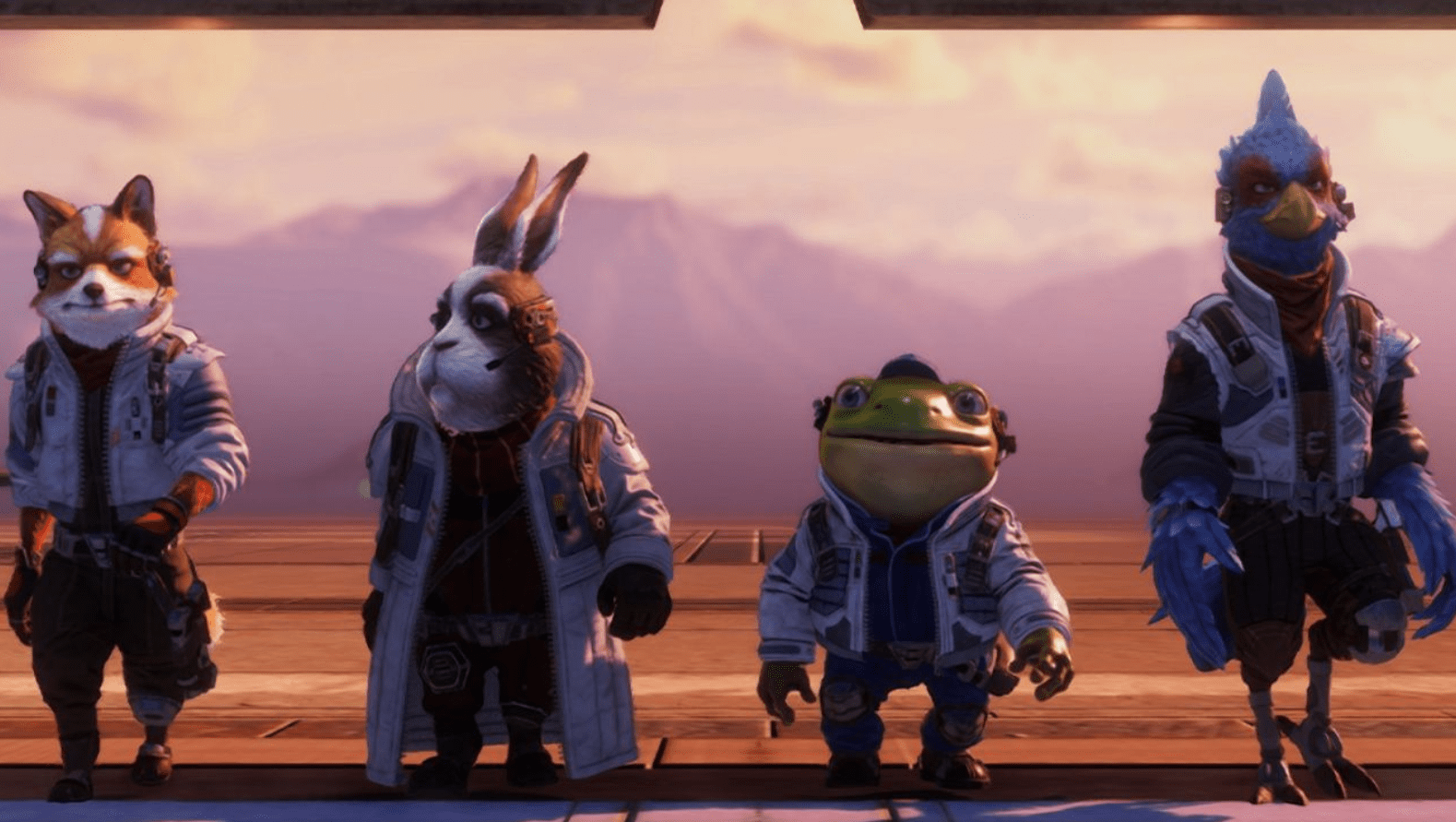
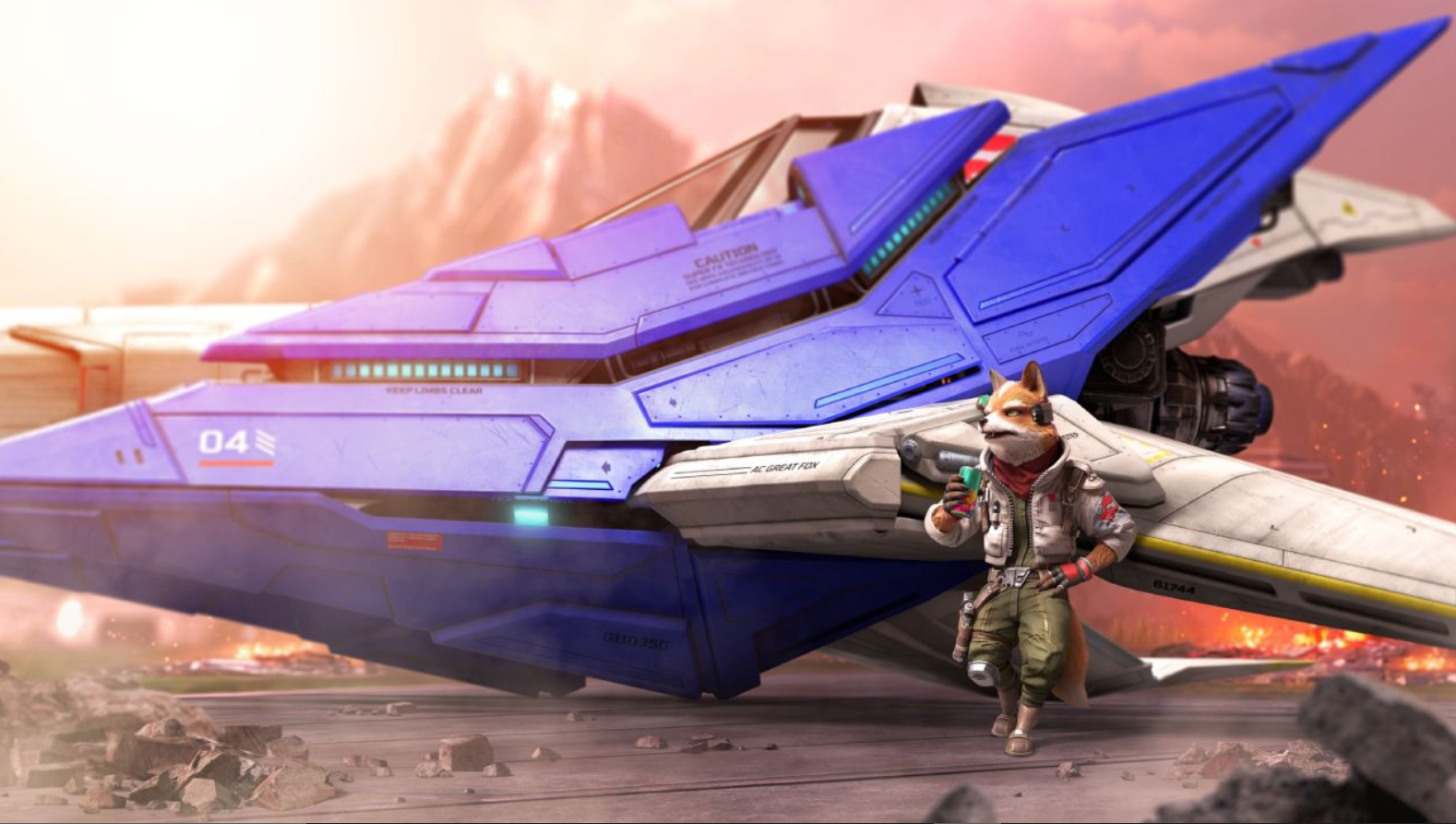
There was debate when early images of the Star Fox crew’s redesigned character models surfaced. Some longtime fans had strong feelings about the new look. Online discussions got heated. Some content creators posted comparison screenshots.
But here is what that debate actually produced: visibility. Every argument about whether the art direction was right or wrong was also a conversation that kept Star Fox in feeds, timelines, and recommendation algorithms. People who had no prior opinion about the franchise saw the discussion and became curious enough to form one. A percentage of those curious observers tried the demo. A percentage of those demo players became buyers.
The character designs ended up working in the game’s favor not because everyone agreed they were perfect, but because they generated sustained attention during the marketing window. That is a harder outcome to engineer than it looks, and it happened here.
The Japan eShop Chart Position Is Significant
Japan has historically not been the strongest market for Star Fox. The franchise has always performed better in North America, where arcade-influenced shooters developed a larger audience base. Topping the Japanese Nintendo eShop after digital preloads began counting toward chart positions is a meaningful data point because it suggests the game is reaching audiences outside its traditional core.
Chart positions in Japan matter for a second reason: they shape how industry observers and retail partners read a game’s trajectory. A strong Japan chart position tells publishers and platform holders that a game has broad appeal, which influences everything from marketing spend to future franchise decisions. If Star Fox finishes its launch window with respectable Japanese numbers, it strengthens the case for continued investment in the series.
What Star Fox on Nintendo Switch 2 Actually Does Differently
Sales numbers describe reception. They do not explain it. To understand why players are responding the way they are, it helps to look at what the game is actually doing on a design level that previous entries did not.
The Core Loop Is Tighter Than Anything Since Star Fox 64
One of the problems with several post-N64 Star Fox games was that they tried to expand the loop in ways that diluted what made the series work. Star Fox Adventures leaned into exploration and puzzle solving. Star Fox Assault mixed on-rails segments with third person ground combat. Star Fox Zero introduced asymmetric controls through the GamePad that many players found disorienting.
Each of those decisions had reasoning behind it. The creative teams working on those games were genuinely trying to evolve the formula. But each one moved the game further from what the audience actually wanted, which was a tightly paced, visually exciting shooter where skilled flying and fast decision-making mattered.
The Switch 2 entry returns to that rhythm with updated production values. The result feels familiar in the best possible way, like a genre that matured instead of a concept that stagnated.
The Nintendo Switch 2 Hardware Supports the Experience
The visual fidelity on Nintendo Switch 2 is a meaningful step above what was possible on the original Switch, and that gap matters more for a game like Star Fox than it might for a tile-based puzzle game or a turn-based RPG. Fast movement, particle effects, detailed ship models, and wide-open environments all benefit from the hardware improvements the Switch 2 brings.
Playing the game in handheld mode on Switch 2 is a noticeably different experience than running a comparable game on the original hardware. The screen brightness, resolution, and frame pacing are all improved. For a franchise that has always been partly about visual spectacle, that upgrade is felt rather than just measured on a spec sheet.
Full Star Fox Controller Guide for PC and Xbox Players
If you are playing Star Fox through an emulator on PC or using an Xbox controller via a connected setup, the default button mapping does not always match what the game expects. This section covers exactly how the layout translates across both platforms so you can jump in without hunting through settings menus.
Understanding the Default Nintendo Layout
The Nintendo Switch Pro Controller uses a face button arrangement that places A on the right, B at the bottom, X at the top, and Y on the left. Xbox controllers reverse the A and B positions relative to Nintendo conventions, and swap X and Y as well. This difference causes more confusion than any other single issue when cross-platform players sit down with a Nintendo-native game.
Before adjusting any settings, understand which button does what in Star Fox on its intended hardware. From there you can remap intelligently rather than guessing.
Star Fox Nintendo Switch 2 Full Button Layout
| Action | Switch Pro Controller | Xbox Controller (Direct Map) | PC Keyboard Default |
|---|---|---|---|
| Fire Laser | A | B | Space / Left Click |
| Brake / Slow Down | B | A | S |
| Boost / Speed Up | X | Y | W |
| Charge Shot / Smart Bomb | Y (hold) | X (hold) | E (hold) |
| Barrel Roll Left | ZL or Left Bumper double tap | LB double tap | Q (double tap) |
| Barrel Roll Right | ZR or Right Bumper double tap | RB double tap | E (double tap) |
| U-Turn / Loop | ZL + ZR simultaneously | LT + RT simultaneously | R |
| Aim / Steer Ship | Left Analog Stick | Left Stick | Arrow Keys or WASD |
| Look / Camera | Right Analog Stick | Right Stick | Mouse |
| Pause / Map | Plus (+) | Start / Menu | Escape |
| Talk to Teammate | Right D-Pad | D-Pad Right | T |
| Switch Target Lock | Left Trigger (ZL) | LT | Tab |
| All-Range Mode Toggle | Minus (-) | View / Back | M |
The Barrel Roll Mechanic Explained in Detail
New players often ask why the barrel roll feels inconsistent when they first try it. The input is directional, not just a button press. To barrel roll left, you tap the left trigger or left bumper twice in quick succession while steering. The same applies to the right side. The timing window is roughly half a second between taps, so fast double taps work but overly slow presses do not register.
On a keyboard, the double-tap timing is tighter because digital inputs have no analog feel to guide you. Practice the timing in an early low-stakes section rather than trying to learn it mid-boss fight. Once it is in your muscle memory it becomes automatic, but that first hour where it feels inconsistent is normal.
Recommended Xbox Controller Remapping for Star Fox
If you are using an Xbox controller and the A or B confusion is causing problems, the cleanest fix is to remap the face buttons in your platform’s controller settings before launching the game. On PC using Steam, navigate to controller configuration for the title and swap the A and B functions, then swap X and Y. This makes the Xbox controller behave with Nintendo-style face button logic without affecting any other game.
On Xbox consoles accessing the game through an emulator or compatible streaming setup, the Xbox Accessories app lets you create profiles with custom remapping. Create a Star Fox specific profile that corrects the face button arrangement and you will never hit the wrong button during a critical moment again.
Advanced Technique: The Somersault and Its Practical Use
The somersault, or nose-up loop, is triggered by pulling back on the left stick while pressing the boost button at the same time. It flips your Arwing backward and lets you face enemies that have passed your position. This matters most in all-range mode sections where enemies approach from multiple directions.
On PC, that combination translates to holding the down arrow or S key while pressing your assigned boost key. On Xbox it is pulling the left stick down toward you while pressing Y (or X if you did not remap). The somersault has a brief invincibility window at the peak of its arc, which experienced players use to absorb shots that would otherwise damage the ship.
The Brake Technique Most Players Miss
In on-rails sections, braking does more than slow the ship. It repositions your Arwing slightly behind the enemy formation it is chasing, which gives enemies in front of you more time in your reticle. Speed runners and high score players use deliberate brake inputs to maximize how long targets stay on screen and therefore how much damage they can deal before the scene transitions.
Combine brake inputs with targeting reticle adjustments from the right stick and you can maintain lock on enemy weak points for longer than the average player manages. This technique is the difference between clearing a stage with three hits of damage versus finishing it with a perfect ship.
My Hero Academia All’s Justice Is Coming to Nintendo Switch 2 in September
Bandai Namco confirmed that My Hero Academia: All’s Justice arrives on Nintendo Switch 2 on September 4, one day after its Japan launch on September 3. The original release appeared on PlayStation 5, Xbox Series X and S, and PC back in February. That means Switch 2 owners receive the port roughly six to seven months after the initial release, which is a notably shorter gap than Nintendo platform players have experienced from Bandai Namco in previous console generations.
That timing shift matters more than it might seem on the surface. Historically, ports to Nintendo platforms from Bandai Namco arrived a year or more after the primary release. By the time the game reached Switch or Wii U, the conversation around it had largely moved on. Players who cared about staying current with a franchise had often already bought the game on another platform, which reduced the potential Switch audience significantly.
A six-month window is different. It keeps the title relevant within its own release cycle and gives Switch 2 players a reason to wait rather than buying a second platform just to access the game at launch.
What the Nintendo Switch 2 Version Adds
The Switch 2 version of My Hero Academia: All’s Justice is not a straight port. Bandai Namco added several features that were not present in the February release on other platforms.
GameShare through GameChat allows players to battle each other online using Nintendo’s social infrastructure. This is meaningful for a fighting game because it connects competitive play to the platform’s built-in communication tools rather than requiring external setup. The Class 1-A students minigame mode is a new addition specific to this release. And a Pac-Man crossover brings a content collaboration that adds replay value beyond the core fighting roster.
These are not trivial additions. The core version of the game is the fighting experience that launched in February. The Switch 2 version layers on three distinct extras that give players who already own the game on another platform a reason to consider whether the new features are worth a second purchase.
Why Third Party Port Timing Is Getting Better
The improvement in port timing from publishers like Bandai Namco reflects a few things happening simultaneously. Nintendo Switch 2 hardware is easier for developers to work with than its predecessor in some key areas. Engine compatibility has improved, particularly for studios using widely adopted middleware that already had Switch 2 support built in by launch. And publishers learned from a decade of feedback that late Nintendo ports damage brand perception with an audience that is both loyal and vocal.
When a major game arrives on a Nintendo platform eighteen months late, the community notices. Reviews mention it. Social media posts frame the release as an afterthought. That narrative costs the publisher goodwill and often hurts sales because players already moved on. Arriving six months after launch avoids most of that framing and lets the game compete on its actual merits.
According to Bandai Namco’s official site, the company has publicly committed to faster platform parity going forward, which tracks with what we are seeing in their Switch 2 release schedule.
Shinobi Art of Vengeance Is Coming to Nintendo Switch 2 on September 24
Sega and developer Lizardcube are bringing Shinobi: Art of Vengeance to Nintendo Switch 2, with pre-orders now open on the Nintendo eShop and a physical Deluxe Edition confirmed for retail. The release date is September 24, which places it at the tail end of what is already shaping up to be a strong September for the platform.
The Nintendo Switch 2 version uses a Game Key Card for the physical release. This means the card itself does not contain the full game data. It functions as a code in physical form rather than a traditional cartridge with game data stored onboard. This approach has generated mixed reactions from collectors and physical game buyers, but it is a distribution choice that Sega and Lizardcube made alongside their other platform and format decisions.
What Comes with the Deluxe Edition
The physical Deluxe Edition bundles together a range of extras that position it as a collector-oriented release. The package includes downloadable content, collectible character cards that are specific to this physical edition, a printed art book, digital in-game bonuses, and additional items within the game itself. For players who want a tangible object to own alongside the digital experience, the Deluxe Edition is a more substantial offering than a standard retail copy.
The art book in particular is worth noting. Lizardcube has established a reputation for distinctive hand-drawn visual work through their previous projects, and a physical art book from a studio with that aesthetic approach is likely to interest people who follow game art beyond the game itself.
Why a Native Switch 2 Version Matters Here
The original Nintendo Switch version of Shinobi reviewed positively but carried visible limitations in handheld mode. Resolution and frame pacing were compromised compared to the game running on stronger hardware. Nintendo Switch 2 boost mode could improve performance for players running the original version through backward compatibility, but a dedicated native build goes further than backward compatibility patches can.
A native build allows developers to target the hardware’s actual capabilities rather than running within the constraints of the previous system’s architecture. Higher resolution output, smoother frame delivery, and better use of the Switch 2’s visual processing are all accessible to a native build in ways that backward compatibility mode cannot fully replicate.
For a game like Shinobi with a hand-drawn visual style, sharper resolution is not a minor upgrade. The difference between the Switch version and a native Switch 2 build running at higher resolution is visible without a side-by-side comparison. Players who care about visual presentation will notice it immediately.
The Broader Trend of Native Switch 2 Ports
What Sega and Lizardcube are doing with Shinobi reflects a pattern that is developing across the Switch 2 software library. Publishers are not simply relying on backward compatibility to carry their existing catalog forward. They are investing in dedicated versions that treat the Switch 2 as its own platform with its own capabilities to leverage.
This matters for the long-term health of the Switch 2 library. A platform with a strong native software foundation grows its value for consumers differently than one where most of its catalog is technically enhanced last-generation content. The distinction becomes more important as the console ages and players start evaluating it relative to what is coming next in the hardware cycle.
More information about Sega’s upcoming releases and publishing roadmap can be found at Sega’s official website.
Granblue Fantasy Relink Endless Ragnarok Demo Is Now Live
Granblue Fantasy: Relink Endless Ragnarok has released a demo across multiple platforms, including Nintendo Switch 2. The demo contains three separate mode options that give players a meaningful preview of the full experience rather than a single compressed slice.
Story Mode in the demo provides a narrative introduction. Quest Mode lets players go through combat encounters either solo or with others. Cross-platform matchmaking is active in the demo, which means players on Switch 2 can match with players on other systems for cooperative content. That last feature is particularly useful for building the community infrastructure around the game before the full launch.
The Demo Reward System and Its Limitations
Players who complete content in the Granblue Fantasy demo earn rewards that carry over into the full game at launch. This incentivizes engagement with the demo beyond simple curiosity and gives players a concrete reason to spend time with it even after they have assessed whether the game suits them.
The limitation is that gameplay progress itself does not transfer. Players who reach a certain point in the demo will start the full game from scratch. If demo save data is deleted before the full game launches and reward entitlement is stored locally rather than tied to an account, those rewards may not be recoverable. That concern has surfaced in player discussions, and it is worth noting for anyone who completes the demo on a device they might reset or share.
The 30 FPS Performance Question
The version of Granblue Fantasy: Relink Endless Ragnarok running on Nintendo Switch 2 is currently targeting 30 frames per second. Some players have raised concerns about this choice, particularly because the original game appeared on PlayStation 4, a platform that is considerably older and less powerful than Switch 2.
The argument goes like this: if the game ran on PS4 hardware, the Switch 2 should be capable of exceeding that performance target by a meaningful margin. The counterargument involves the specifics of how Unreal Engine 4 behaves on Switch 2 hardware and how development resources were allocated for this particular port. Engine optimization is not always linear, and achieving 60 frames per second in Unreal Engine 4 on a new platform requires work that some teams allocate and some do not.
Technologies like DLSS, which the Switch 2 supports, give developers tools to achieve better output resolution and potentially better performance than raw rasterization alone would allow. Other Switch 2 games have used these tools effectively. Whether Granblue Fantasy: Relink Endless Ragnarok will receive optimization updates before or after launch that address the frame rate is not yet confirmed.
The current 30 FPS target is a real limitation for players who are sensitive to frame rate. It does not make the game unplayable, but it is a meaningful data point for anyone comparing the Switch 2 version to the experience on other platforms.
For those interested in the technical background of how game engines interact with Nintendo Switch 2 hardware, Unreal Engine’s official tech blog provides detailed coverage of optimization approaches across platforms.
What September 2025 Means for Nintendo Switch 2 Owners
Take everything above and put it together and you get a release calendar that is meaningfully stronger than many players expected this early in the console’s life. Star Fox is having its best sales performance in years. My Hero Academia: All’s Justice arrives with exclusive features and a short port window. Shinobi: Art of Vengeance brings a native version with visual improvements that matter. Granblue Fantasy: Relink Endless Ragnarok adds a cross-platform action RPG with demo content available right now.
That is four notable releases in a single month, with varying genres, price points, and audience targets. It is the kind of month that builds a platform’s reputation among players who are still deciding whether to invest in new hardware.
Third Party Support Is the Real Story
First party Nintendo games sell hardware. Third party support tells you whether that hardware becomes a primary device for players or a secondary one reserved for Nintendo exclusives. The original Nintendo Switch had a first party software library that was genuinely exceptional. Its third party situation was more complicated, with many ports arriving late, running with compromises, or skipping the platform entirely.
Early signals from Nintendo Switch 2 suggest the third party picture is improving. The reasons are multiple: better hardware gives developers more room to work with, faster port timelines reduce the economic penalty of supporting the platform, and Nintendo seems to have invested more effort into developer relationships than in previous console cycles.
That improvement is not complete or universal. The Granblue Fantasy frame rate discussion shows that compromises still happen. But the direction of movement matters. A platform where third party support gets better over time is a different proposition than one where it degrades or stagnates.
What the Sales Data Might Mean for Star Fox’s Future
Industry observers have noted that Star Fox titles historically sold in the one to two million range on their best days. The current chart performance, combined with the demo reach and digital preload data, raises the possibility that this entry could exceed those historical figures. A result in the two to four million range would be a meaningful statement about where the franchise stands.
That outcome matters for Nintendo’s internal decision-making about the franchise. A strong seller gets a sequel. A modest seller gets a long wait and a cautious development approach. A genuine commercial success changes how Nintendo treats Star Fox as a franchise asset going forward, including how much budget, development time, and marketing resources it receives for the next entry.
People who want more Star Fox games have a direct way to vote on that outcome: buying this one and letting the numbers make the argument for them.
Tips for New Star Fox Players on Nintendo Switch 2
If the demo or the chart coverage brought you to Star Fox for the first time, there are a few things worth knowing before you dive into the full release.
The game rewards replay. Unlike open world titles where you clear an area once and move forward, Star Fox stages are designed to be played multiple times. Different routes, hidden paths, and score challenges give returning to completed stages a purpose. Approach the game as something to improve at rather than something to finish once and shelve.
Pay attention to your team. Peppy, Slippy, and Falco are not just background chatter. Their callouts carry tactical information. When Peppy tells you to do a barrel roll, the incoming fire is real. When Slippy reports an enemy on his tail, responding has consequences for his survival through the level. The team dialogue system rewards players who actually listen.
Experiment with the all-range mode controls early. The transition from on-rails flight to free movement in all-range segments changes the control demand significantly. Players who have only practiced in on-rails sections are sometimes caught off guard when the camera angle shifts and enemy behavior becomes less predictable. Spending time deliberately in all-range mode before a boss that requires it will pay off.
For a deeper dive into Star Fox’s history and design philosophy, Nintendo’s official Nintendo Switch 2 game pages include developer insights and additional context that complements the in-game experience.
A Platform Finding Its Footing
The Nintendo Switch 2 is still early in its commercial life, and the outcome of its first year is not yet written. But the signals coming out of September 2025 are positive ones. A flagship franchise is performing at levels not seen in twenty years. Third party publishers are shortening port windows and adding platform-specific features. Native versions are replacing reliance on backward compatibility for select titles. And the demo strategy Nintendo used for Star Fox turned out to be a more powerful sales tool than many expected.
None of this means the platform has no challenges ahead. The Granblue Fantasy frame rate question is a real one. Game Key Cards for physical releases remain controversial among collectors. Not every third party port will arrive quickly or run cleanly. The competitive landscape for consumer attention and gaming budgets is as crowded as it has ever been.
But for people who own a Nintendo Switch 2 or who are considering one, September 2025 is an argument in favor of the investment. The games being released this month are worth the time, and the trends shaping the platform’s library are moving in the right direction.
Star Fox made me feel that on a Tuesday evening with a free demo. The rest of September looks like it might do the same thing in its own ways.