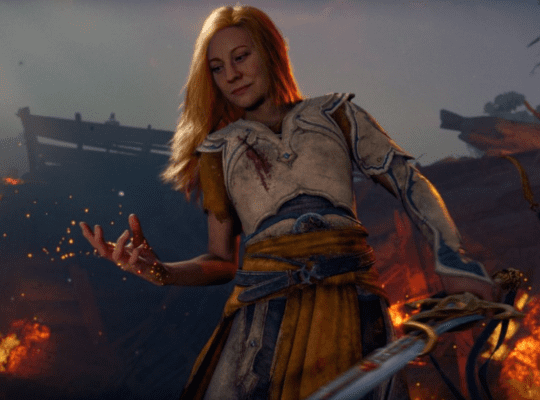
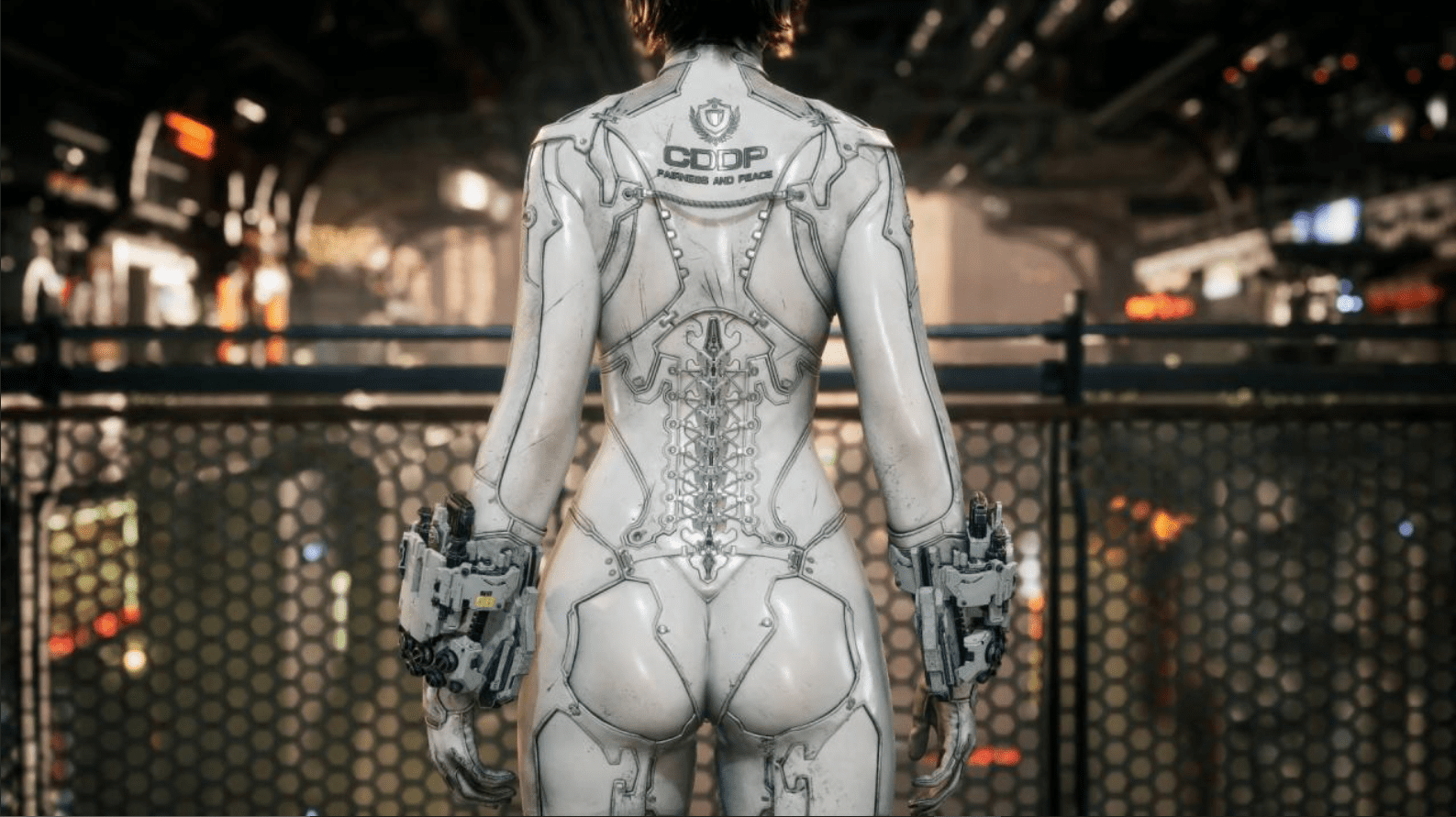
I remember finishing Stellar Blade the first time and sitting with the ending for a while. Not because it was confusing, but because it felt like the opening chapter of something much bigger. The world had so many unexplored corners, so much buried history, and a cast of characters you actually wanted to spend more time with. When the sequel was confirmed, I assumed Shift Up would do the logical thing: bring Eve back, build on what worked, and go deeper into that same world.
They did not do that. Not even close.
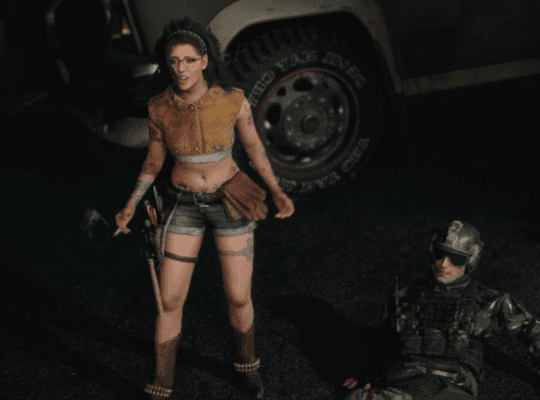
Stellar Blade Blood Rain introduces a completely new protagonist named Evie. The combat has been rebuilt around hand-to-hand brawler mechanics instead of Eve’s blade-heavy system. The setting has shifted from crumbling, post-apocalyptic ruins to a fully functioning city with cars and trains. The tonal shift alone is substantial enough to make you stop and reconsider everything you thought you understood about where this franchise was headed.
This article covers what we know so far, what it likely means for Eve and the existing lore, how the new combat system appears to work, what the city environment signals about the story, and why Shift Up made choices this bold this early in a franchise’s life.
Who Is Evie and How Does She Connect to the First Game
Evie is not a random character dropped into the Stellar Blade universe without context. In the reveal trailer, she is referred to as an angel. That single detail ties her directly into the established mythology of the first game.
In Stellar Blade, Eve herself was described as a product of a long line of trials. She was not the first and the game made no secret of the fact that others like her existed or had existed at some point. The concept of angels as a category of being within this world was already baked into the lore before Blood Rain was ever announced. Evie stepping into that framework is not a retcon or a contradiction. It fits.
What remains unclear is the exact nature of the relationship between Eve and Evie. They could be from the same generation of angels, different generations, or something else entirely. The naming choice feels deliberate rather than coincidental. Shift Up is not a studio that makes sloppy creative decisions, and choosing a name this close to Eve’s while making the character visually and functionally distinct suggests an intentional narrative thread connecting the two.
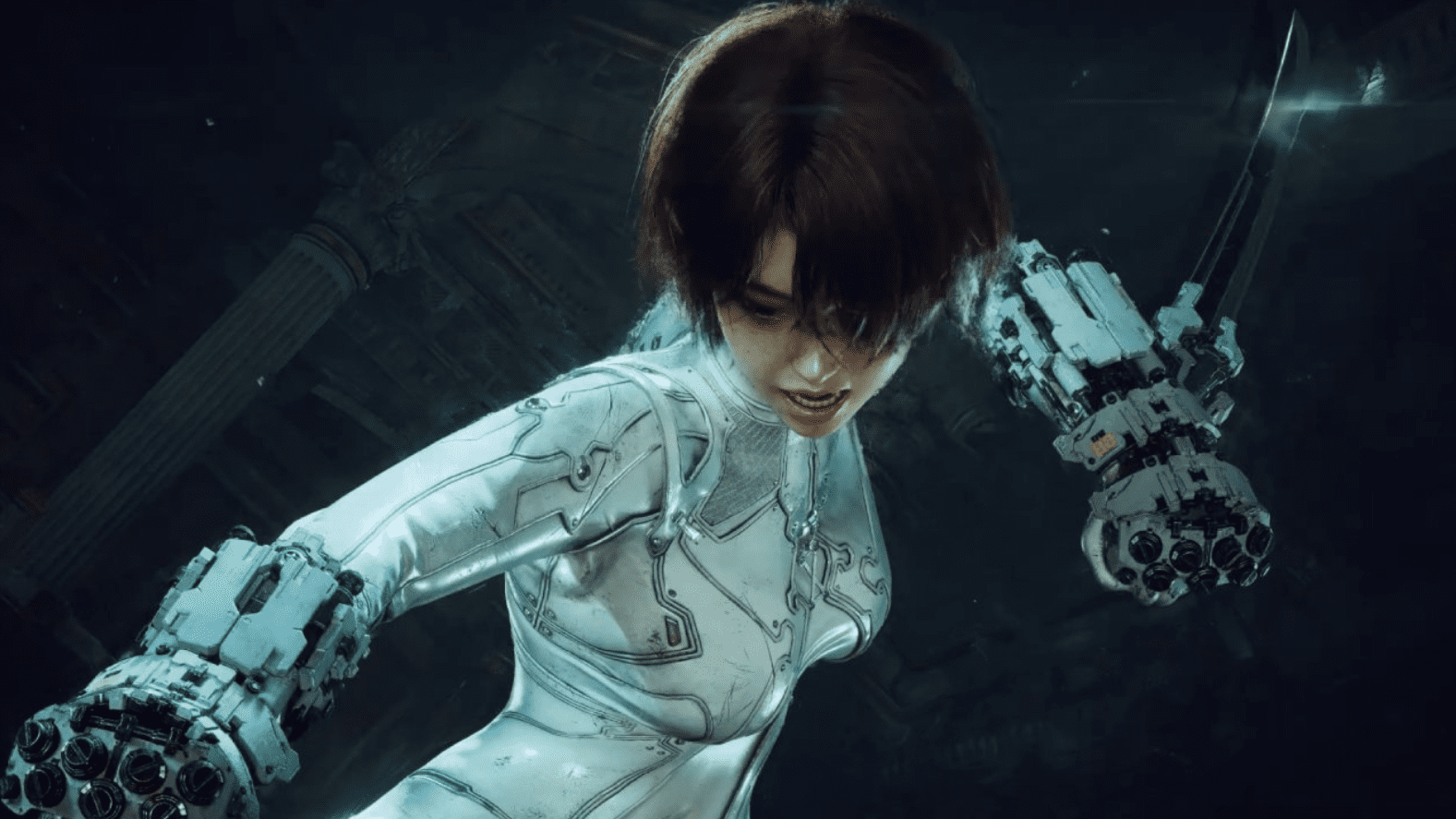
Evie’s design reflects a different kind of physicality compared to Eve. Where Eve had a precise, weapon-focused combat identity, Evie looks like someone built for direct, aggressive, up-close confrontation. Her visual presentation supports the brawler combat approach, which I will get into in detail below.
Why Eve’s Absence From the Reveal Trailer Matters
The trailer gave us Evie and nothing else. There was no brief appearance from Eve, no cameo, no teaser suggesting she shows up later. For a lot of fans who played the first game and got invested in Eve, Lily, and the broader set of relationships, that absence hit differently than expected.
There are two ways to read it. The first is that Eve simply is not in Blood Rain, or at least not in a significant capacity, and Shift Up is purposefully moving on. The second is that the studio kept her out of the initial reveal intentionally to maintain mystery and will bring her into the picture in future marketing closer to release.
The second reading gets more support from some details that surfaced around the time of the announcement. Model Shin Jae-eun, who did body scan work for Eve in the original game, returned to Shift Up approximately one month before the Blood Rain reveal to do additional scanning work. She mentioned this on her own channel. That does not confirm anything on its own, but it is a difficult detail to dismiss entirely when you are trying to understand the situation.
Director Kim Hyung-tae has also continued speaking positively about Eve in interviews and public appearances leading up to this reveal. Nothing in his comments has suggested that she is being written out or that her story is treated as finished. He seems genuinely attached to the character, which makes sense given how central she became to the studio’s public identity.
Eve has essentially become something of a recognizable face for Shift Up as a whole, similar to the way specific characters from Goddess of Victory: Nikke function as brand representatives for that title. Studios do not typically bench their most recognized characters permanently. The more likely outcome is that Eve still has a role in Blood Rain, and the reveal was structured to introduce Evie as the new central figure before gradually reintroducing familiar elements.
The City Setting Changes Everything About the Tone
Xion in the first Stellar Blade was striking precisely because of how broken it was. Most of the world you explored was in some stage of decay, overgrown, collapsed, or reclaimed by something hostile. The ruins told a story on their own before a single line of dialogue was delivered. That atmosphere was foundational to what made the first game feel the way it did.
Blood Rain throws that out completely. The city shown in the reveal trailer is operational. Traffic moves. Infrastructure exists. People live there. It looks closer in feel to something like Midgar from Final Fantasy VII, a dense urban environment that functions as a living system, rather than the broken world of the original.
I find this genuinely interesting from a game design perspective. Living cities create entirely different narrative and gameplay possibilities compared to ruins. You have crowds, factions, social structures, and everyday life existing alongside whatever conflict the protagonist is caught in. The contrast between normal life continuing and something deeply wrong happening underneath it is one of the more effective storytelling tools in the medium when used well.
The reveal suggests that Blood Rain’s city is not as healthy as it looks on the surface. There appears to be some kind of organized group operating within it, one that is deliberately transforming people into Naytibas. If that holds up as the core conflict, the story shifts from a cosmic, almost mythological threat to something more personal and immediate: a society choosing to become something monstrous from the inside.
That is a meaningful change in narrative direction. The first game’s threats came from outside humanity, from forces that had already reshaped the world. Blood Rain’s threats, based on what has been shown, appear to come from within a functioning society. That shifts the emotional register of the entire story.
Evie’s Brawler Combat System Explained
This is the change that generated the most conversation immediately after the reveal. Eve’s combat in the first game was centered around a sword, with a system built around precise timing, parries, and a range of blade techniques. It was satisfying in large part because of how deliberate it felt. Every decision you made with the weapon had weight.
What the Legend of Zelda Ocarina of Time Remake on Nintendo Switch 2 Might Actually Look Like
Evie fights with her fists and body. The brawler approach shown in the trailer is faster in rhythm and more chaotic in visual energy. It looks less like a fencer and more like a fighter who closes distance aggressively and works at point-blank range.
Brawler combat systems live or die based on a few core factors: how well individual hits feel, whether the combo variety stays interesting over hours of play, how enemy design challenges you to adapt your approach, and whether the defensive mechanics hold up under pressure. From what little footage exists, the movement looks fluid, but there is simply not enough detail yet to evaluate the system fully.
What is worth noting is that Shift Up built a genuinely well-regarded combat system in the first Stellar Blade. They understand what makes action feel good. Starting from scratch with a different combat philosophy is a risk, but it is not a leap into the unknown for a studio that has demonstrated they can execute in this genre.
The tonal consistency is also worth acknowledging. Brawler combat in a dense, operational city environment makes sense in a way that Eve’s sword would not. The setting and the combat style feed into each other. Evie fighting through crowds and urban chaos with close-range striking fits the environment she is placed in. That design coherence suggests this was a considered choice rather than a change made for novelty.
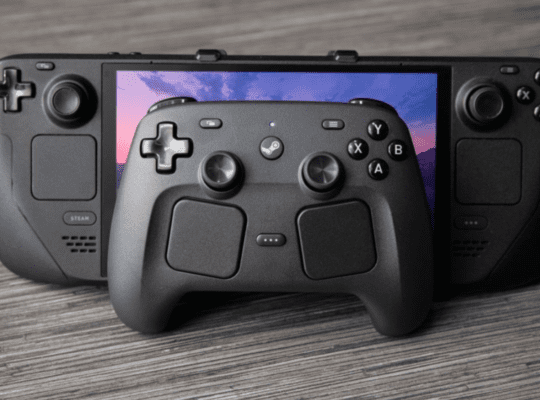
Full Controller Button Layout Guide for PC and Xbox
Based on the combat structure visible in the reveal trailer and Shift Up’s established design conventions from the first game, here is an expected breakdown of how Evie’s controls are likely to map across platforms. This will be updated as official information becomes available.
Xbox Controller Layout
| Input | Expected Action | Notes |
|---|---|---|
| A | Dodge / Evade | Directional dodge based on left stick input |
| B | Cancel / Back | Menu navigation, action interrupt |
| X | Light Strike | Primary fast attack, chains into combos |
| Y | Heavy Strike | Slower, higher damage opener or finisher |
| LB | Guard / Block | Timing-based parry window when tapped precisely |
| RB | Special Ability | Evie-specific technique, likely tied to a resource meter |
| LT | Lock On / Target Swap | Hold to lock, tilt stick to swap targets |
| RT | Burst Attack | Charged or contextual power move |
| Left Stick | Movement | Click to sprint or toggle crouch |
| Right Stick | Camera Control | Click to reset camera or center behind Evie |
| D-Pad Up | Consumable Use | Health recovery or buff item |
| D-Pad Down | Swap Loadout | Alternate ability or equipment slot |
| D-Pad Left / Right | Quick Select | Cycle through equipped items |
| Menu | Pause / Main Menu | Access options and settings |
| View | Map / Quest Log | Open city map or objective tracker |
| LB + X | Combo Finisher | Extended combo chain ending move |
| LB + Y | Counter Attack | Retaliation strike after a perfect parry |
| RT + X | Aerial Launch | Launches enemy upward for aerial follow-up |
| RT + Y | Ground Slam | Brings aerial enemy down with a downward strike |
PC Keyboard and Mouse Layout
| Input | Expected Action | Notes |
|---|---|---|
| W A S D | Movement | Standard directional movement |
| Shift | Sprint | Hold while moving to run |
| Space | Dodge | Tap to sidestep based on movement direction |
| Left Mouse Button | Light Strike | Fast attack, primary combo initiator |
| Right Mouse Button | Guard / Parry | Tap for parry, hold for sustained block |
| E | Heavy Strike | Slower high-damage attack |
| Q | Special Ability | Evie’s signature technique |
| R | Use Item | Consume equipped recovery or buff |
| F | Interact / Grab | Environmental interaction or grapple initiation |
| Mouse Wheel | Quick Item Swap | Scroll through equipped consumables |
| Tab | Lock On Toggle | Focus camera on nearest enemy |
| Alt + Mouse | Camera Adjust | Free-look when not in combat |
| 1 / 2 / 3 | Hotbar Slots | Quick access to assigned abilities or items |
| Escape | Pause Menu | Access settings, quit option |
| M | City Map | Open the full city layout and fast travel menu |
| J | Quest Log | Check objectives and side mission tracking |
| Left Click (Hold) | Charged Strike | Hold to build power, release for burst attack |
| Right Click + E | Counter Launch | Follow a parry with an uppercut launch move |
| Space (Mid-Combo) | Combo Cancel | Break out of a combo string into a dodge |
Note: These mappings are based on Shift Up’s design conventions from the original Stellar Blade and the combat footage available at the time of writing. Official key binding confirmation will come with the full game release or a dedicated gameplay showcase. PC players should expect full remapping support based on how Shift Up handled the first game’s PC version.
What the Naytiba Angle Means for the Story
In the first Stellar Blade, Naytibas were the result of a catastrophic transformation that had already happened. They were the world as you found it: hostile, incomprehensible, and threatening by nature. You fought them because they were the enemy, and the mystery was about understanding what had caused all of this in the first place.
Blood Rain appears to flip that context. The city is functional. Life continues. And within that functioning society, there is a group actively choosing to become Naytibas. The horror there is not something that happened in the past. It is something happening right now, in a world where people should know better.
That framing creates a very different kind of antagonist. Instead of a force of nature or a cosmic mistake, you are potentially looking at ideology, desperation, or corruption driving ordinary people toward transformation. That is a more human kind of threat, and it opens the door to storytelling that goes places the first game never could.
It also raises questions about Evie’s specific place in that conflict. As an angel, she sits between the human world and the Naytiba reality in a way that makes her involvement in this particular crisis feel personal rather than incidental. Her own nature connects directly to what these people are choosing to become. That tension is rich material for a story.
Shift Up’s Decision to Make This Many Changes at Once
Here is the part I keep coming back to. Stellar Blade launched as a new IP not long ago. It performed well, built a real audience, and earned genuine respect as an action title. The standard playbook in that situation is to consolidate: keep what worked, add more of the same, and reduce the number of variables you are changing between entries.
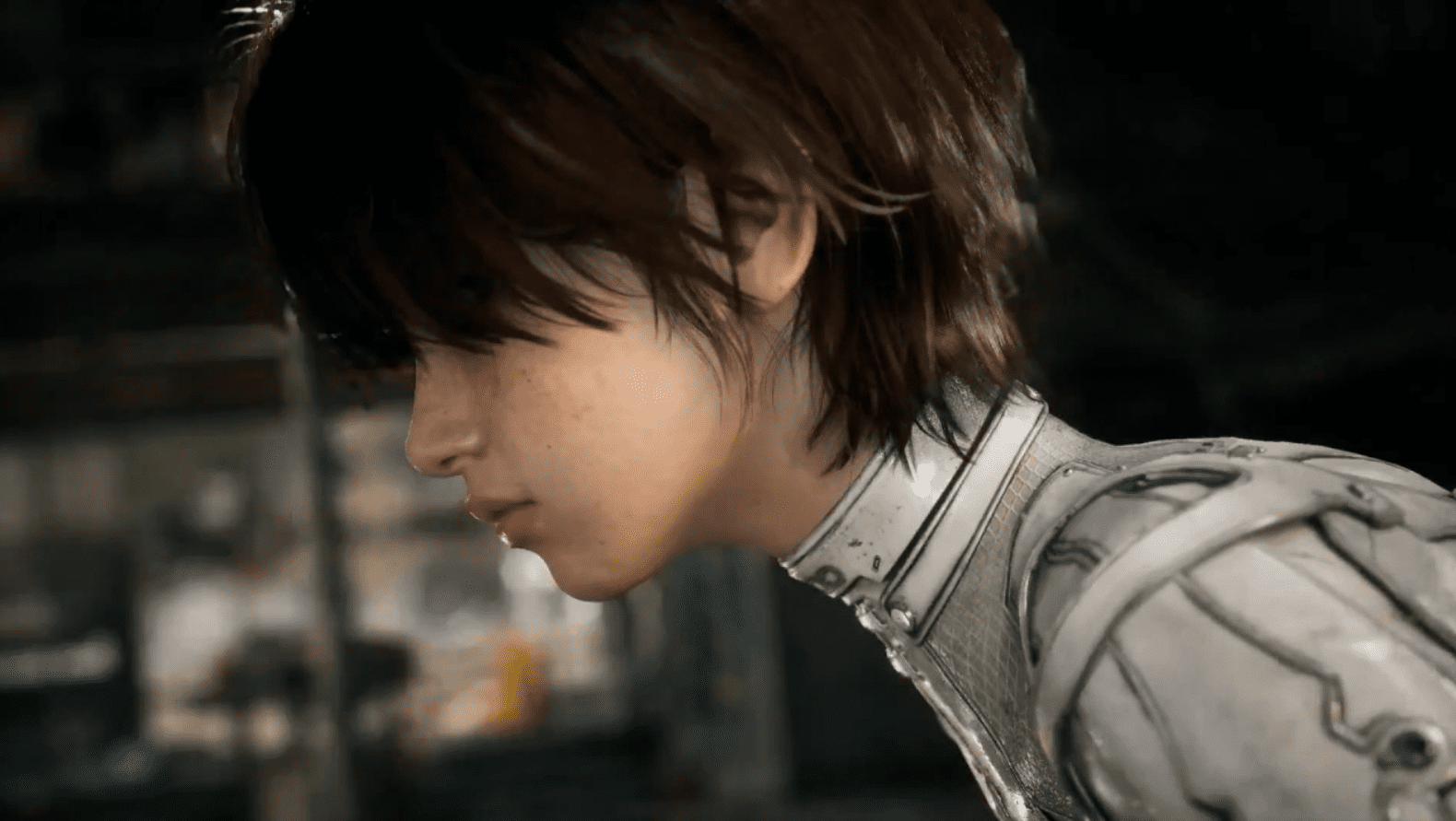
Shift Up changed almost everything at once. New protagonist. New combat system. New setting. New narrative direction. That is a significant amount of creative risk to absorb in a single sequel, especially when the first game still feels relatively fresh.
The optimistic reading is that Shift Up saw exactly what I described above, a world with far more potential than one game could cover, and decided the best way to realize that potential was to move fast and go wide. Instead of telling a longer version of the same story, they want to demonstrate that this universe can support multiple kinds of stories with multiple kinds of protagonists.
The more cautious reading is that this much change this quickly is a gamble. Fans who fell in love with Eve, with her specific combat style, and with the tone of the first game may feel like the sequel is not really for them. That is a real risk and Shift Up has to know it.
What gives me some confidence is the design coherence visible in the little footage that exists. The city, the brawler combat, the Naytiba transformation angle, and Evie’s visual identity all feel like they belong together. This does not look like a collection of random changes. It looks like a team that had a specific vision for what this game needed to be and built toward that vision deliberately.
Whether that vision translates into a game as good as the original is a question nobody can answer yet. But the intent behind the choices seems genuine, and genuine creative intent counts for something when evaluating a reveal this early.
The Anthology Possibility and What It Means Long Term
Some fans have floated the idea that Stellar Blade might be evolving into something more like an anthology series, where each entry follows a different angel through a different period or location within the same universe, without necessarily continuing the story threads from the previous game.
That structure has worked well in other franchises. It lets a studio expand a world without being locked into a single narrative continuation, and it allows each entry to feel complete on its own terms rather than requiring players to have finished every previous game. For world-building purposes, it is an appealing model.
The risk is emotional investment. Players who spent time with Eve and Lily and formed attachments to those relationships want to know what happens to those people. An anthology structure, if it truly abandons continuity between entries, leaves those questions unanswered permanently. That is a trade-off some audiences accept and others do not.
The more likely outcome, based on everything discussed above, is something in the middle. Blood Rain probably has its own complete story centered on Evie, while Eve’s presence or her story’s continuation exists as a parallel or connecting thread rather than the main event. That would let Shift Up have it both ways: a fresh protagonist with her own complete arc, and enough connective tissue to keep players who loved the first game invested in what happens to the characters they already know.
The structural choices Shift Up makes with how Blood Rain connects to the first game will say a lot about the long-term direction of this franchise. Get it right and you have a universe with real expansion potential. Get it wrong and you risk fragmenting an audience that is still relatively small compared to the major action franchises in this space.
Comparing Blood Rain to Other Action Sequels That Changed Direction
Shifting the core identity of a sequel is not without precedent in action games. The comparisons are instructive.
Devil May Cry 2 changed direction from the first game and the results were poor. The combat felt different for the wrong reasons, and the tonal shift was not supported by design quality that matched the ambition. It took the series years to recover, largely through Devil May Cry 3 reconnecting with what made the original compelling while also improving on it in meaningful ways.
God of War (2018) changed almost everything about what God of War had been up to that point. New combat style, new setting, new emotional register, new protagonist dynamic. It worked because the new direction was executed at a high level and because the original Kratos story had reached a natural stopping point. The change felt motivated by what the story needed rather than by external pressure.
Bayonetta 3 introduced a new protagonist alongside Bayonetta and received mixed responses. Some players embraced the new character and the expanded cast. Others found the shift away from a pure Bayonetta focus unsatisfying, particularly given how the story handled certain character arcs. The result was a game that pleased some and frustrated others in roughly equal measure.
Blood Rain sits somewhere between these examples in terms of risk profile. The change is as dramatic as God of War 2018 in scope but carries more of the uncertainty that surrounded early Bayonetta 3 coverage. The key factor will be whether the execution matches the ambition.
What Stellar Blade Did Right That Blood Rain Needs to Carry Forward
The first Stellar Blade did several things genuinely well that Blood Rain needs to preserve even as it changes everything else.
The world-building was patient and layered. Information about the history of the world, the origin of the Naytibas, and the nature of angels was distributed across the environment, optional conversations, and item descriptions rather than front-loaded into exposition. Players who looked for it found a rich history. Players who did not could still follow the main story. That balance is hard to achieve and worth protecting.
The combat had a high skill ceiling without becoming inaccessible. Learning the parry system and understanding when to press and when to hold back gave experienced players something to work toward without making newcomers feel punished for playing more casually. That design philosophy should translate to Evie’s brawler system regardless of how different the mechanics feel on the surface.
The art direction was consistent and confident. Everything in the first game, from the enemy designs to the environmental palette to Eve’s visual identity, felt like it came from the same creative mind with a clear point of view. The city setting in Blood Rain looks visually striking in the limited footage available, but maintaining that same coherence across a much denser urban environment will be a genuine challenge.
The atmosphere and sound design of the original contributed significantly to how the game felt to play. The audio work in particular gave the world texture that purely visual design could not have achieved alone. Whatever Blood Rain’s city sounds like at street level will matter as much as how it looks.
Community Response and What the Divide Tells You
The reaction to the Blood Rain reveal split in predictable directions but for reasons worth paying attention to. The segment that responded positively focused on the ambition of the change, the visual energy of the trailer, and Evie as a character who looked capable of carrying a game on her own terms.
The segment that responded with concern focused almost entirely on Eve’s absence, the loss of the sword combat system, and anxiety about what the move away from the first game’s setting signals about Shift Up’s plans for the characters they already care about.
Neither of these responses is wrong. Both of them are responding to real things. The reveal genuinely shows something ambitious and visually exciting. It also genuinely raises legitimate questions about continuity and the future of characters who had unresolved story threads at the end of the first game.
What I take from the split is that the stakes for Blood Rain are high in both directions. If it lands well, it proves the franchise can grow beyond its starting point and builds a larger audience than the first game reached. If it underperforms, it risks being read as evidence that Shift Up overcorrected and abandoned what made the original work.
That is the weight a creative team carries when they make bold choices this early in a franchise’s development. The first game earned trust. Blood Rain is spending some of that trust in exchange for the chance to prove the universe can do more than one thing. Whether that exchange pays off is the central question of everything that follows between now and release.
What We Are Still Waiting to Learn
There is a substantial amount of information that has not surfaced yet and will significantly shape how the game is ultimately received.
The release window has not been confirmed with any precision. The reveal places Blood Rain somewhere in development but gives no clear signal about how far along it is. That matters for evaluating whether the footage shown represents something close to a final product or an early proof of concept.
Evie’s full ability set is still largely unknown. The brawler combat shown covers the basics but gives no insight into what special mechanics, upgrade systems, or late-game techniques look like. The first game’s combat opened up considerably as you progressed, and whether Blood Rain follows a similar structure is not clear yet.
The narrative setup beyond the surface level detail has not been elaborated on. Who is running the organization transforming people into Naytibas, what their actual goals are, and how Evie becomes involved in that conflict in the first place remain entirely open questions.
Co-op or multiplayer features, if any exist, have not been mentioned. The city setting creates conditions where those features would make thematic sense, but Shift Up has not indicated whether Blood Rain expands in that direction.
And of course, Eve. Whether she appears, in what capacity, and how her story connects to Evie’s remains the single biggest unanswered question for players coming in from the first game.
My Honest Take on Where This Is Going
I have played enough sequels that went in unexpected directions to know that first reactions are rarely the whole story. The reveal of God of War 2018 generated real uncertainty. The initial look at The Last of Us Part II created significant anxiety in certain corners of the community. Both of those games turned out to be exactly what they needed to be, even if not everyone agreed on that assessment at launch.
Blood Rain is not guaranteed to achieve the same result. But the ingredients are not bad. Shift Up has demonstrated they can build a world, construct a combat system, and tell a story with enough ambiguity to reward player attention. They understand what makes action games feel good. They have a track record.
Evie looks capable. The city looks alive in a way that Xion’s ruins never could be. The Naytiba transformation angle has genuine narrative potential. And the fact that enough context exists from the first game to give Blood Rain’s events meaning from the start is an advantage most new franchises do not have.
The concern is execution. Bold choices require follow-through at a level that matches the ambition. A brawler system that feels flat, a city that looks dense but functions as a corridor, or a story that raises its interesting questions and then resolves them too simply would undermine everything the reveal promises.
Shift Up knows that. They have made enough deliberate choices in this reveal to demonstrate they are thinking carefully about what Blood Rain needs to be. That is not a guarantee of quality, but it is the right foundation to build from.
For now, it is the most interesting upcoming action title in my personal queue. Not because it is a safe bet. Because it is not.
Quick Reference Summary for Stellar Blade Blood Rain
- Protagonist: Evie, confirmed as an angel within the Stellar Blade universe
- Combat System: Brawler-style hand-to-hand fighting, replacing Eve’s sword-based mechanics
- Setting: A fully functional urban city, distinct from the post-apocalyptic ruins of the first game
- Core Conflict: An organized group within the city is deliberately transforming people into Naytibas
- Eve’s Status: Unconfirmed in Blood Rain, but indirect evidence suggests she has not been written out
- Developer: Shift Up
- Platform: PlayStation 5 confirmed, PC status unconfirmed at time of writing
- Release Window: Not officially confirmed
For ongoing coverage of Stellar Blade Blood Rain and Shift Up’s other projects, keep checking back as new details surface. The next major information drop, whether a gameplay showcase or a story trailer, will answer a significant number of the open questions this reveal left behind.