I have followed Xbox showcases for years, and I went into this one with realistic expectations. I was not expecting a dramatic turnaround speech or a bold declaration about the future of the platform. What I did expect was some clarity. After the Xbox Games Showcase 2026 wrapped up, I had more questions than before it started, and I suspect many of you felt the same way.
The biggest story coming out of the event is not any single game announcement. It is the exclusives question, and how Microsoft answered it, or rather, how they did not answer it cleanly.
The Gears of War E-Day Decision That Started Every Conversation
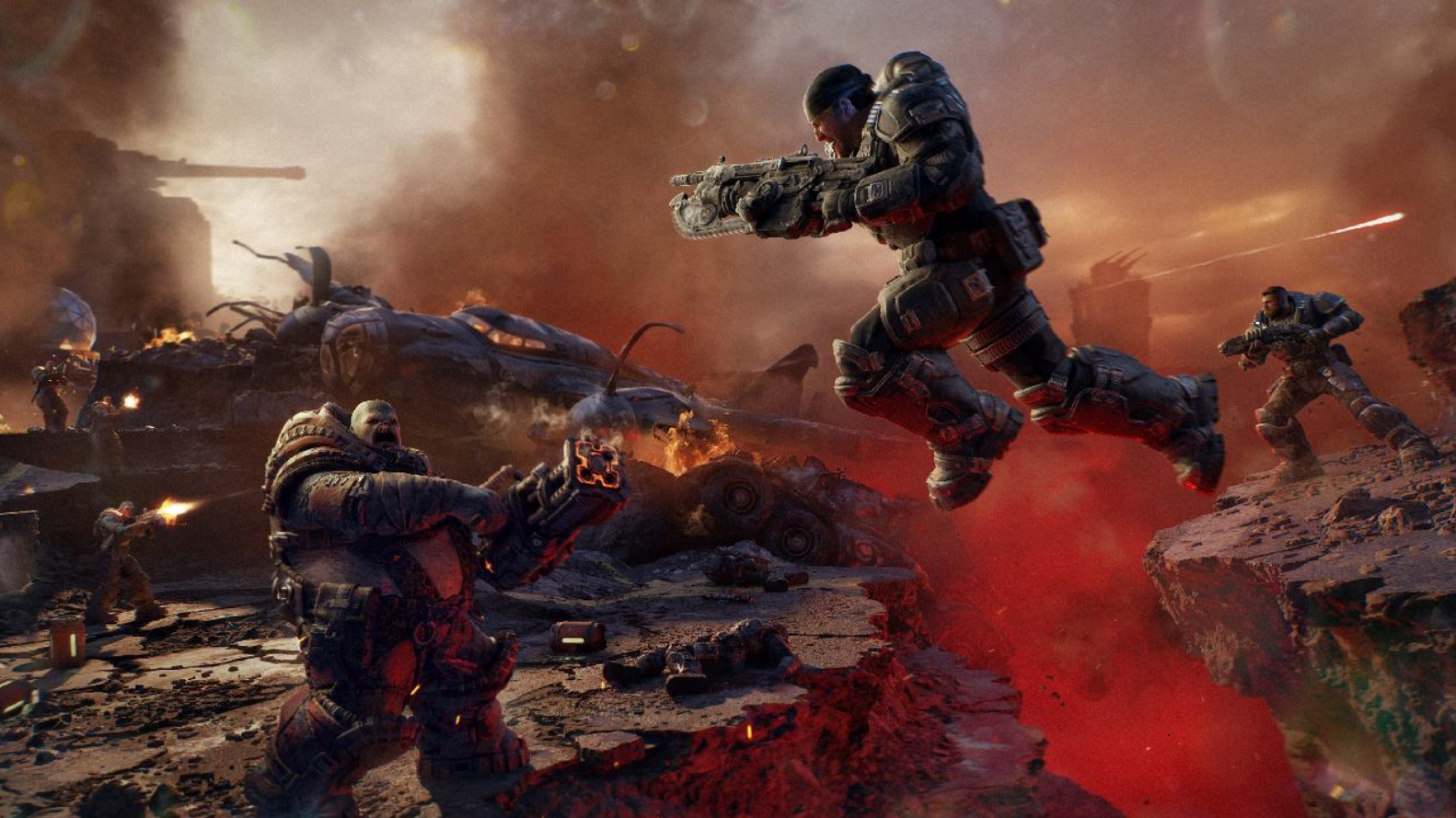
Let us start with the one that got everyone talking. Gears of War E-Day is not coming to PlayStation 5. That single piece of news flooded post-show discussions on every gaming forum, Reddit thread, and YouTube comment section I came across. And honestly, the reaction makes sense.
Reports suggest this decision was made fairly late in development. The game was deep in production and appeared to be tracking toward a multiplatform launch before someone at Microsoft pulled the plug on the PS5 version. That kind of late-stage reversal does not usually happen without significant internal debate, and it shows.
Here is what makes that call interesting and confusing at the same time. E-Day is not a pure single-player experience with no online component. Look at what is actually inside the package. There are in-game microtransactions. The Premium Edition is priced at one hundred dollars. Early access is being offered as a premium selling point. And the in-game currency called Iron is bundled into that higher tier. By every practical measurement, this is a live-service game wearing a Gears of War campaign as its jacket.
Live-service games live and die by their active player population. The wider your player base, the more viable your economy, your matchmaking, your long-term retention. Keeping E-Day off PlayStation 5, where tens of millions of players are active, is not just a missed revenue opportunity. It is structurally counterproductive to the model the game is built around. The game will still launch on Steam, which opens up its own set of questions about what Xbox console ownership actually provides, but we will get to that.
Everything Else at the Showcase Was Going to PS5 Anyway
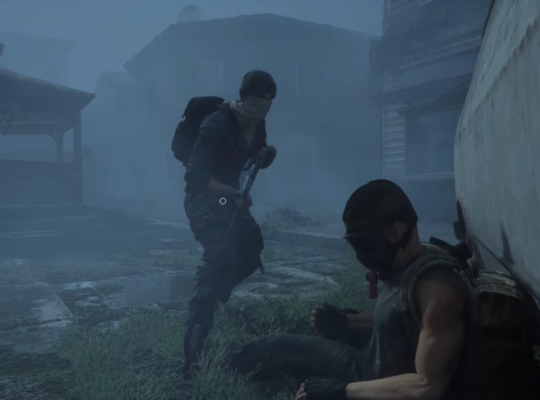
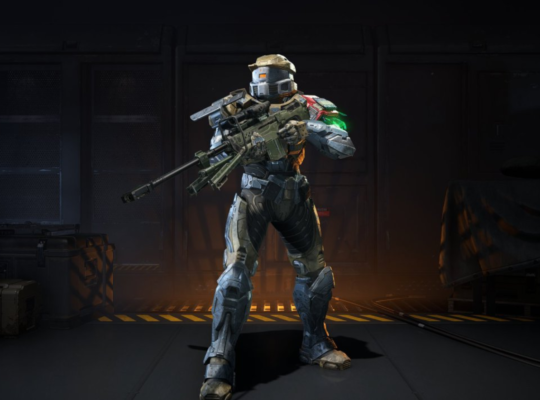
Once you get past the E-Day situation, the multiplatform picture becomes almost total. Fable, which has been in development long enough that fans have started treating confirmed updates as surprising rather than expected, is still a multiplatform release. Nothing at the showcase changed that. Halo Campaign Evolved drops on July 28 and is not being made exclusive to Xbox. State of Decay 3, a multiplayer-focused title that many assumed might stay on Xbox given its co-op design, is confirmed for PlayStation 5.
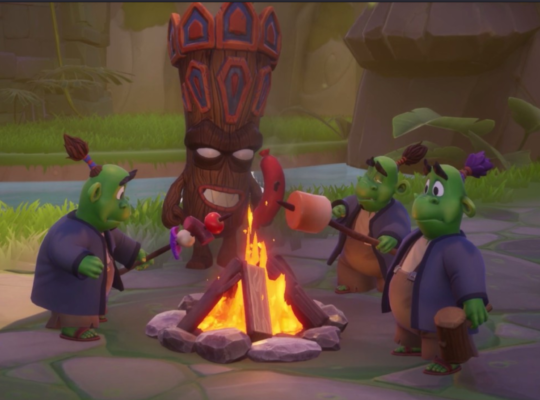
The new Spyro game, Spyro: A Realm Beyond from Toys for Bob, published under the Activision label, is launching across all platforms. And then there is the new Senua game from Ninja Theory.
Ninja Theory Is Still Here and That Genuinely Matters
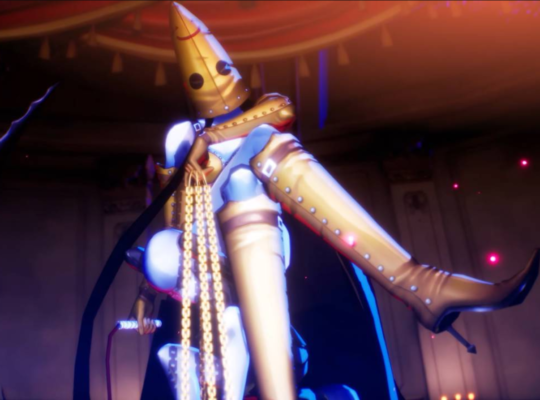
After what happened with Tango Gameworks, every Xbox first-party studio announcement carries a slightly anxious undertone now. So the fact that Ninja Theory is still operating and building out Hellblade as a continuing IP is genuinely good news worth acknowledging. The new Senua game is taking a more action-focused direction, which sounds like the right instinct for a franchise that built its reputation on intense, character-driven gameplay rather than methodical pacing.
But Senua is also coming to PlayStation 5. And that is where the exclusives logic starts getting hard to follow.
Senua as a franchise has real system-seller potential. It is a critically recognized, emotionally resonant, single-player action game with a distinctive identity that very few other games share. That is exactly the kind of title that can make someone on the fence about a platform purchase lean toward a decision. When a game like that also launches on PS5, the argument for owning an Xbox console weakens by one more notch.
You can make a reasonable case for State of Decay 3 going multiplatform. It is a multiplayer-focused game. The more players you have across platforms, the better the experience gets for everyone. That logic holds. It is harder to make the same case for Senua, a story-driven single-player title where platform exclusivity would actually serve Xbox’s identity argument well.
The Full Count of Xbox Exclusives After the Showcase
When you strip away the multiplatform titles and add up what Xbox is actually keeping to itself, here is the complete list coming out of the 2026 showcase: Gears of War E-Day in 2026 and Clockwork Revolution from inXile Entertainment in 2027. That is it. Two games. Two years.
Fable is multiplatform. Halo Campaign Evolved is multiplatform. State of Decay 3 is multiplatform. Senua is multiplatform. Spyro is multiplatform.
I want to be fair here. There is a legitimate business argument for going multiplatform. More platforms means more buyers, more revenue, and a larger audience for Game Pass adoption or direct sales. Microsoft has been leaning into this approach for a while, and from a pure numbers standpoint, it is not irrational. But a strategy has to be executed consistently to communicate anything meaningful. What the Xbox Games Showcase delivered instead was one exclusive, one timed exclusive pipeline, and a wall of games also available on the console you might already own.
What Platform Identity Actually Requires
I have been gaming long enough to remember when the Xbox 360 library genuinely made people feel like they were missing out if they were not on that platform. That pull did not come from one game. It came from a run of titles that stacked up across a year or two, where the combination created momentum. Halo 3, Gears of War, Forza, Mass Effect as a timed exclusive, BioShock as a timed exclusive, these games did not just fill a catalogue. They created a cultural argument for why Xbox was the place to be.
Persona 4 Revival Release Date Confirmed and Persona 6 Officially Teased at Xbox Games Showcase 2026
Building that kind of platform identity again requires more than two exclusive releases spread across twenty-four months. It requires Gears, Fable, Senua, Forza Horizon 6, and Halo all pulling in the same direction at the same time, or at least in close enough proximity that the momentum compounds rather than dissipates between releases.
Right now, Gears of War E-Day and Clockwork Revolution are doing that work alone. Clockwork Revolution is not yet a game most people outside of enthusiast gaming circles are closely tracking or emotionally invested in. That could change as it gets closer to release, but going into 2026, it is not the anchor game that moves platform purchase decisions.
Gears of War E-Day and What It Actually Needs to Accomplish
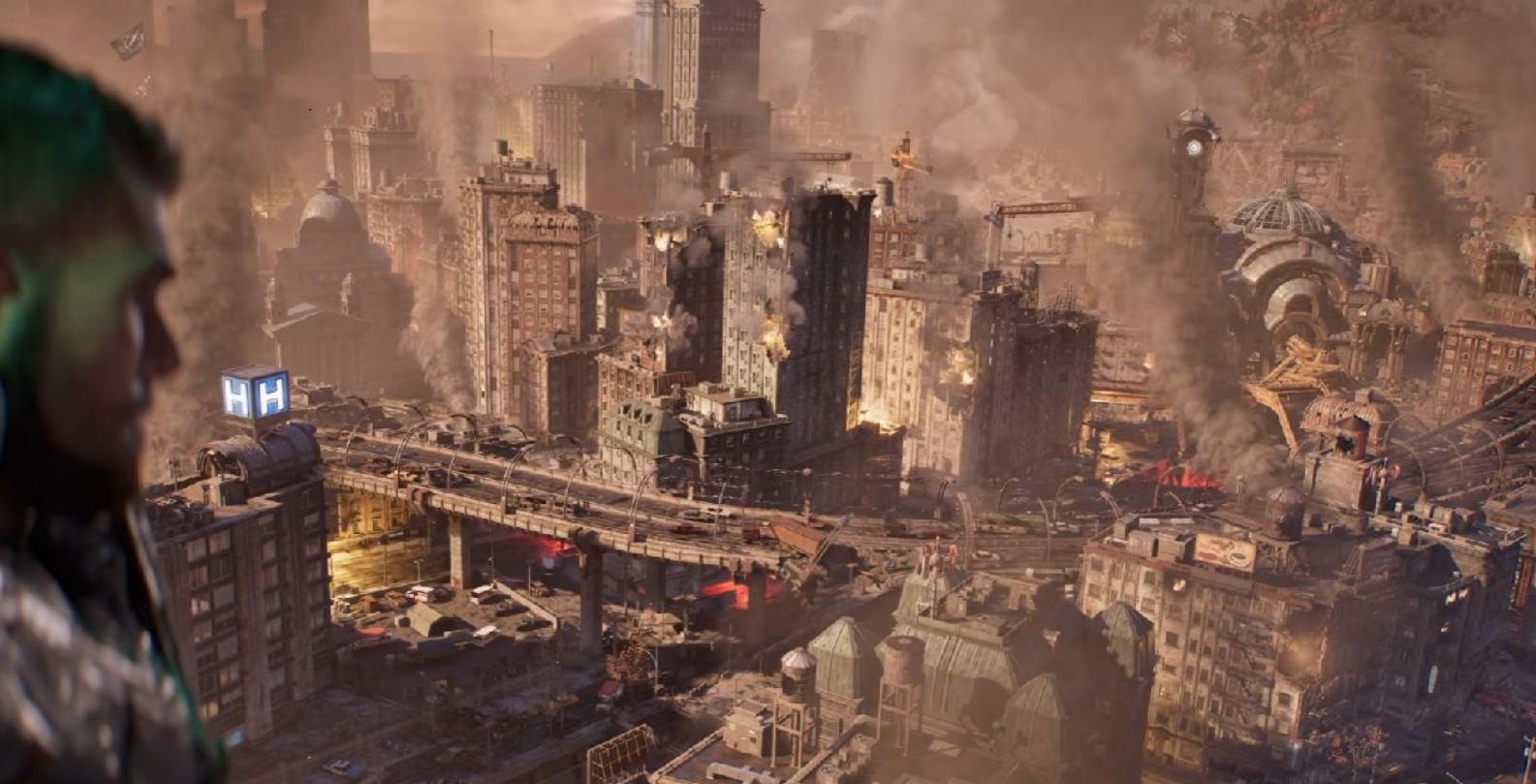
Gears of War E-Day launches on October 6, which is already a crowded stretch of the release calendar. The prequel setup, placing the story during the early days of the Locust War, is genuinely compelling from a narrative standpoint. There is real potential here for The Coalition to reset the tone and the creative direction of the franchise in a way that Gears 4 and Gears 5 never quite managed.
Those games found their audiences. They were competent, well-made titles with solid mechanics and some interesting story choices. But neither of them reignited Gears as a cultural moment. Neither of them became the game that people outside the existing fanbase felt they were missing out on. They maintained the IP without expanding it.
E-Day has a shot at being different. Going back to the original conflict, rebuilding the world from a point before the established characters became mythology, using Emergence Day as the emotional foundation, these are the right creative instincts. Gears of War as a franchise at its best was always about atmosphere and world-building as much as cover mechanics, and E-Day seems to understand that.
But asking one game to both revive a franchise that has been carrying diminished cultural weight since 2016 and simultaneously serve as the entire platform argument for Xbox in 2026 is an enormous amount of pressure to put on a single October release.
The Steam Problem and What It Says About Console Value
Major Xbox games hitting PC on day one through Steam is not new, but the showcase made it harder to ignore. When Gears of War E-Day, the game being positioned as the flagship Xbox exclusive, is also available on Steam at launch, the definition of Xbox exclusivity becomes more complicated. Xbox hardware is not cheap, and the value proposition of owning the console rather than a capable gaming PC keeps narrowing with each day-one PC release.
This is not unique to Xbox. The concept of console exclusivity has been eroding across the industry. But Xbox is in a more vulnerable position than PlayStation right now when it comes to justifying hardware purchases, which makes every day-one PC release feel more pointed when it comes to the console argument.
If someone can play every Xbox first-party game on a gaming PC or through cloud streaming on a device they already own, the console itself needs to offer something beyond just access to the games. Right now, that argument is not being made clearly enough.
Full Controller Button Layout Guide for PC and Xbox
Since Gears of War E-Day and several of the other titles shown at the showcase support cross-play and PC releases, understanding the controller layout across both platforms is genuinely useful. Here is a complete breakdown for anyone jumping between PC and Xbox or picking up a controller for the first time.
Xbox Controller Full Button Layout
The standard Xbox wireless controller has remained largely consistent in layout since the Xbox One generation, with small refinements added over time. Here is what every button and input does:
Face Buttons (Right Side)
A Button sits at the bottom and is your primary confirm or action button. In most Xbox games this handles jumping, interacting, or accepting prompts. B Button sits to the right and typically functions as cancel, roll, dodge, or back. X Button sits to the left and usually handles reloading, picking up items, or secondary interactions depending on the game. Y Button sits at the top and commonly handles context-sensitive actions like opening menus, swapping weapons, or performing special moves.
Bumpers and Triggers (Shoulder Area)
Left Bumper is a digital button used for abilities, grenades, or mode switches in most titles. Right Bumper is also digital and frequently handles sprinting, secondary fire, or swapping between equipment. Left Trigger is an analog input that measures how far you press it, used for aiming down sights, braking in racing games, or activating alternate fire modes. Right Trigger is also analog and handles the primary fire or attack action in nearly every shooter and action game.
Thumbsticks
Left Thumbstick controls movement in all directions. Pressing it down as a button, known as L3 in some systems, often triggers sprinting, crouching, or a special movement ability depending on the game. Right Thumbstick controls camera and aiming. Pressing it down as a button, known as R3, commonly handles melee attacks, zoom toggles, or clicking into third-person modes. Both sticks are fully analog, meaning the game reads how far and in which direction you tilt them, not just whether they are being touched.
D-Pad (Left Side Diamond)
The directional pad has four digital inputs pointing up, down, left, and right. Most games assign weapon or item quick-select to these directions. Some games use them for communication shortcuts, emote selection, or toggling HUD elements.
Center Buttons
The Xbox Button in the center opens the Xbox guide overlay on console or the Xbox app overlay on PC. Menu Button on the right side of center is the equivalent of Start in older controller language. It opens pause menus and game settings. View Button on the left side of center is the equivalent of the old Back button. It opens maps, scoreboards, or secondary menus depending on the game. Share Button, present on newer controller models, captures screenshots or video clips when tapped, or starts a recording when held.
Common Default Mappings for Gears of War E-Day (Xbox and PC)
Based on the Gears franchise’s established control history and the gameplay shown during the showcase, here is what the default layout is expected to look like for E-Day on both platforms:
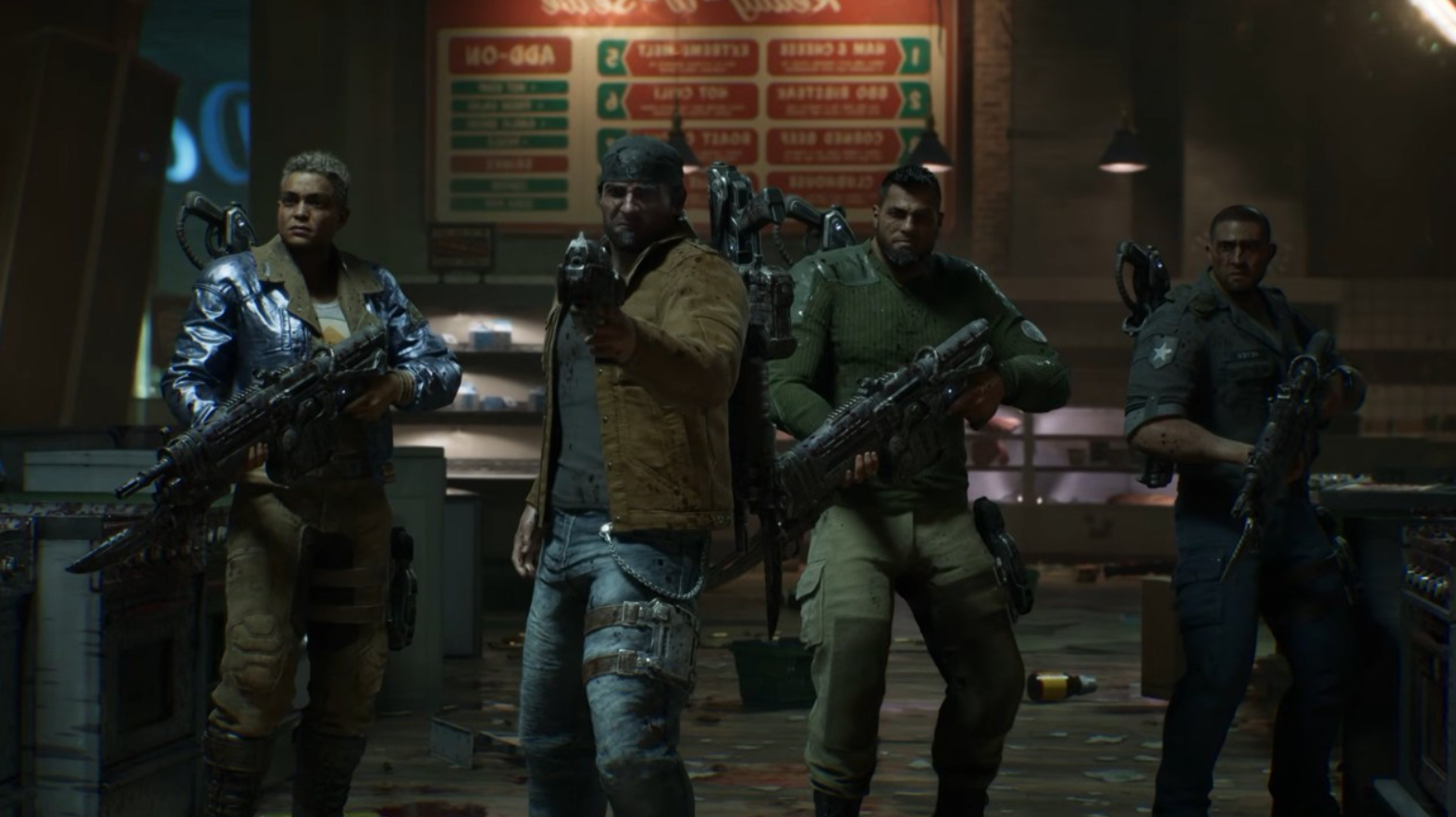
Left Stick moves your character. Right Stick controls the camera and aims. Right Trigger fires your active weapon. Left Trigger aims down sights or enters a focused aiming mode. A Button handles roadie run and vaulting over cover. B Button executes the active reload or enters cover when pressed near a surface. X Button swaps weapons. Y Button performs a context-sensitive interaction with the environment. Right Bumper throws a grenade. Left Bumper activates a character ability or switches grenade type. Left Stick Press may toggle walk or crouch depending on settings. Right Stick Press executes a melee attack. D-Pad directions cycle through your weapon loadout or call for communication during co-op. Menu Button opens the pause screen and settings. View Button opens the map or objective list.
PC Keyboard and Mouse Default Layout
For players on PC using keyboard and mouse through Steam or the Microsoft Store, the standard Gears franchise defaults and common third-person shooter conventions point toward this layout:
W A S D keys handle directional movement. Mouse movement controls camera rotation and aiming. Left Mouse Button fires the active weapon. Right Mouse Button aims down sights. Space Bar handles jumping and vaulting. Left Shift runs and executes roadie run. Left Control crouches or enters cover near surfaces. R reloads the active weapon and triggers active reload timing. F interacts with objects in the environment. G throws grenades. Q and E cycle through available weapons or equipment. Tab opens the map or objective screen. Escape opens the pause menu. Mouse Scroll Wheel also cycles weapons in many configurations. Middle Mouse Button may handle melee depending on settings.
All of these mappings can be customized in the game settings for both PC and Xbox. Xbox also supports full remapping through the Xbox Accessibility Settings built into the console OS, which allows any button to be reassigned to any input.
Controller Sensitivity and Aim Settings
For players new to third-person shooters or coming from mouse and keyboard, adjusting thumbstick sensitivity is one of the first things worth doing. A lower sensitivity on the right stick gives you more precise aim control during sustained fire. A higher sensitivity helps with quick camera movements and situational awareness in chaotic co-op scenarios. Most Gears titles offer separate horizontal and vertical sensitivity sliders, and E-Day is expected to continue that trend.
Aim acceleration, sometimes called aim assist ramp-up, controls how fast your aim speeds up as you hold a direction. Reducing this setting gives you more consistent tracking at the cost of snap speed. Increasing it helps with fast target switching but requires practice to avoid overshooting.
Dead zones control how far you have to move a thumbstick before the game registers input. A lower dead zone makes the controller more responsive but can cause unintended drift if your sticks have any wear. A higher dead zone requires more deliberate input but eliminates drift issues entirely.
The Elder Scrolls VI Question Hanging Over Everything
Every discussion about Xbox’s exclusives strategy eventually lands on one title that has not been announced yet. Elder Scrolls VI is the game Microsoft acquired through the Bethesda purchase that carries the most potential cultural weight of anything in their portfolio. It is also the game where the exclusive-versus-multiplatform decision will matter most, both financially and symbolically.
The current pattern of decisions coming out of Xbox suggests that Microsoft is evaluating these calls individually rather than from a firm, predetermined commitment either way. Gears of War E-Day stays exclusive. Senua goes multiplatform. State of Decay 3 goes multiplatform. Fable goes multiplatform. The logic threading these decisions together is not obvious, and that ambiguity extends forward to every game in the pipeline that has not been announced yet.
If Elder Scrolls VI launches multiplatform, it validates the argument that Xbox has abandoned the console exclusivity model entirely and is operating as a software publisher that also sells hardware. If it launches as an Xbox exclusive, it will be the single most significant bet Microsoft has made on platform identity in years. The lack of clarity about which direction they are heading makes it very difficult for consumers to make informed decisions about platform investment today.
Microsoft’s Responsiveness Versus Microsoft’s Coherence
I will give Microsoft something here. They are clearly listening to fan feedback. The Gears of War E-Day decision, whether you agree with it or not, shows a willingness to respond to community pressure and adjust course. On the PlayStation side, Sony fans have been vocal for years about wanting more responsiveness from the company on topics like pricing, backwards compatibility improvements, and service changes. That kind of back-and-forth between a platform holder and its audience is something a lot of PlayStation owners genuinely wish they had more of.
But there is a meaningful gap between listening and leading. When your response to fan pressure produces one exclusive while everything else in the showcase goes multiplatform, the result reads less like a strategic commitment and more like a one-time concession made under pressure. That is not the same thing as having a clear plan. And without a clear plan, each individual decision, however defensible it might be in isolation, ends up looking reactive rather than intentional.
Platform strategies that work are built on consistency. Consumers looking at an Xbox purchase are not just evaluating the game lineup for the next six months. They are making a multi-year investment decision based on their expectation of what that platform will continue to deliver. Mixed signals on exclusivity, late-stage reversals on PS5 availability, and two exclusives across two years as the headline output of a major showcase do not build that confidence.
What the Road Ahead for Xbox Actually Looks Like
Gears of War E-Day has a real opportunity to reset the tone for the franchise. The prequel framing gives The Coalition creative freedom they have not had in the previous two entries. The setting, the early days of the Locust War before the world collapsed into the post-Emergence Day ruin of the original trilogy, has genuine narrative weight. If the game delivers on its promise, it could shift the perception of the Gears IP in a way that matters for the long term.
Clockwork Revolution from inXile is the other exclusive on the board for 2027, and the game looks ambitious. An alternate history RPG with time-manipulation mechanics could generate significant buzz if inXile executes well. The studio has a solid track record with narrative RPGs through Torment: Tides of Numenera and Wasteland 3. Whether the game breaks through to mainstream attention the way it needs to in order to pull platform purchase decisions is a different question.
Beyond those two, the exclusives pipeline is unclear. The Xbox Games Showcase recap does not reveal anything else confirmed as platform-exclusive for 2027 or beyond. Forza Horizon 6 has not been announced. Halo’s campaign future after the Evolved release is not mapped out publicly. The first-party development pipeline at Xbox is not as visible or as populated as it was during the Xbox 360 era.
This is not an insurmountable situation. Microsoft has the financial resources to make large bets on first-party development, acquire studios, and fund ambitious exclusive projects. The question is whether they have the strategic discipline to execute a coherent platform identity play over the next three to five years rather than continuing to make individual decisions that do not connect into a larger argument.
The Platform Purchase Decision in 2026
If you are sitting with a gaming budget right now and trying to decide whether an Xbox Series X is worth buying, here is the honest picture after the showcase. The games available on Xbox that are not available elsewhere come down to Gears of War E-Day in October and Clockwork Revolution in 2027. Game Pass continues to offer strong day-one value for Microsoft first-party titles, and that library has grown considerably. If you already own a capable PC, many of those Xbox exclusives will be accessible to you without the console.
If you are a Gears of War fan specifically, E-Day is the game that makes the strongest case for the platform right now. It is the title designed with Xbox identity in mind and it will not be on PlayStation 5. For everyone else, the multiplatform nature of the 2026 and 2027 lineup means that PlayStation 5 or even a gaming PC gives you access to most of what Microsoft is building.
That reality is not catastrophic for Microsoft. They are generating revenue across multiple platforms and building Game Pass as a subscription product with broad reach. But it does mean that Xbox as a standalone hardware platform has a harder sell in 2026 than it did five years ago, and the Xbox Games Showcase did not change that picture meaningfully.
The Long View
Two exclusives across two years is not a platform identity. It is a holding pattern. And holding patterns can be broken if the games that follow are compelling enough and the strategy shifts with enough conviction. The Xbox Games Showcase 2026 gave fans two interesting exclusives, a handful of strong multiplatform titles, and a clearer signal than ever that Microsoft is still working out what kind of platform Xbox is meant to be.
That answer will come one release at a time across 2026 and 2027. Gears of War E-Day launches October 6. How it performs commercially, how it is received critically, and whether it genuinely brings new players into the Gears franchise will tell us more about Xbox’s direction than anything said during the showcase itself. The same will be true for Clockwork Revolution when it arrives in 2027.
For now, Xbox has the attention of its audience. What happens with that attention depends entirely on what comes next.