I bought a PlayStation 5 in late 2021. Like most people, I powered it on, heard the startup chime, and launched the pre-installed game just to see how it looked. That game was Astro’s Playroom. I told myself I’d play it for twenty minutes. Two hours later I was still going, laughing at the controller haptics and smiling like I hadn’t at a game in years. I never expected that little robot to turn into one of Sony’s most important bets. But here we are.
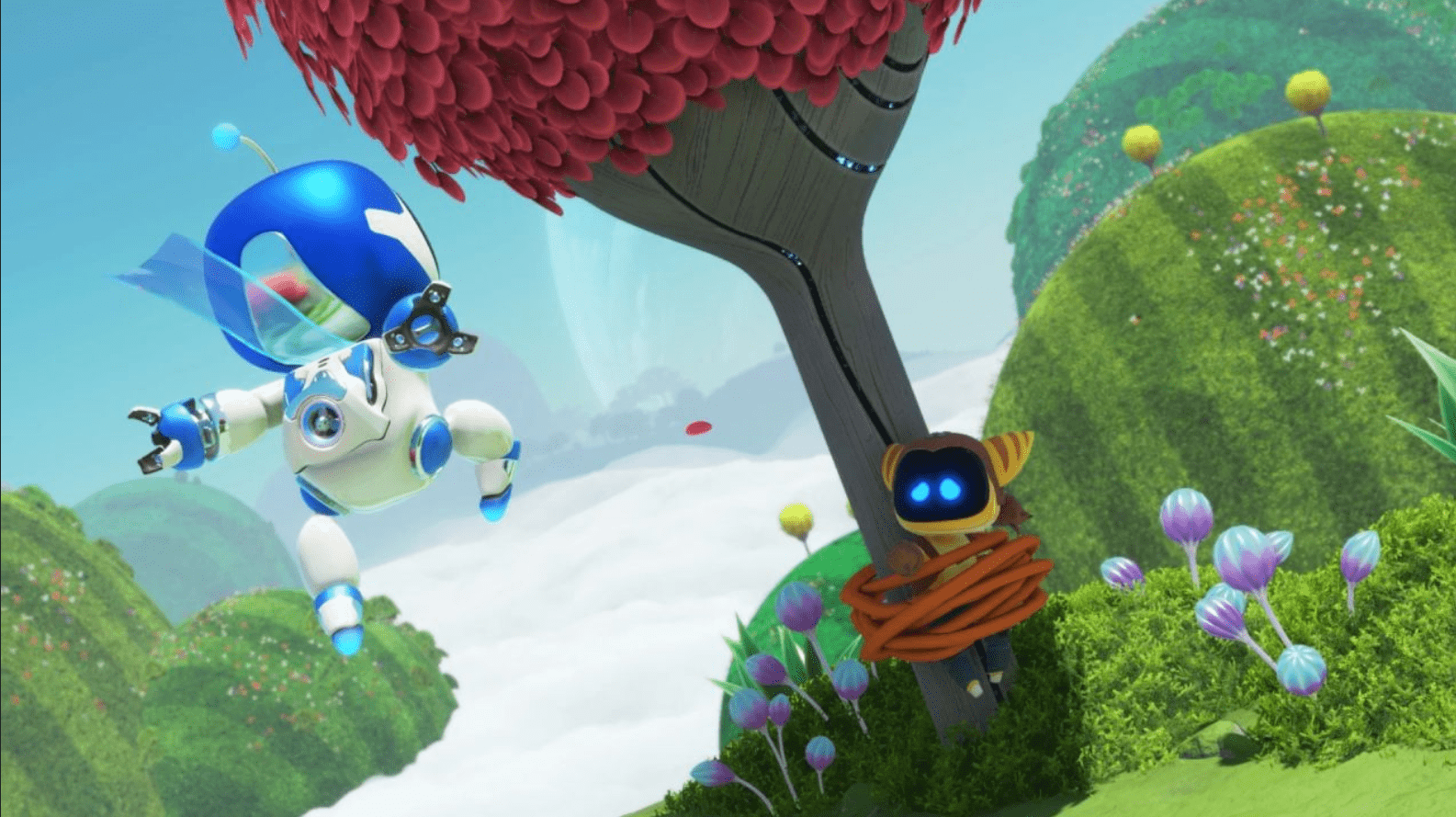
Astro Bot is not loud. It does not have a revenge storyline. Nobody in it dies in slow motion while dramatic music plays. It is a game about a small robot who runs, jumps, and explores colorful worlds with a permanent grin on its face. And somehow, quietly, it has become one of PlayStation’s biggest commercial stories in recent memory.
Industry estimates now put global sales at roughly 4.3 million copies, with total revenue for Sony sitting around $250 million. Sony has not confirmed these numbers officially, but third-party tracking and analyst data suggest the game continues to perform at a pace most publishers only dream about for their biggest action titles.
What makes this even more interesting is how those sales are spread out. The game is not coasting on a single massive launch week. It is still moving approximately 100,000 copies every month, with around 600,000 copies sold in 2025 alone. That kind of consistency is genuinely rare in modern gaming, where most releases spike and then fall off a cliff within thirty days.
Why Slow and Steady Is Actually a Bigger Deal Than a Huge Launch
Modern game publishing has trained us to think in terms of opening weekends. A game launches, sells a million copies in 48 hours, and everyone writes headlines about it. Then the conversation moves on. Astro Bot never had a moment like that. Its launch was celebrated critically, but it was not the kind of system-selling event that broke records overnight.
What it has done instead is keep showing up. Month after month, new players are finding it, buying it, and apparently telling other people about it. That is how you build something that lasts. It is the same model that turned games like Minecraft and Stardew Valley into cultural fixtures rather than one-season hits.
Evergreen games share a few common traits. They are easy to pick up. They do not require you to have played anything before. They work for short sessions and long ones. They are the kind of game you recommend to your sibling who does not game much, or your partner who only plays casually. Astro Bot fits every one of those boxes, and that is not an accident.
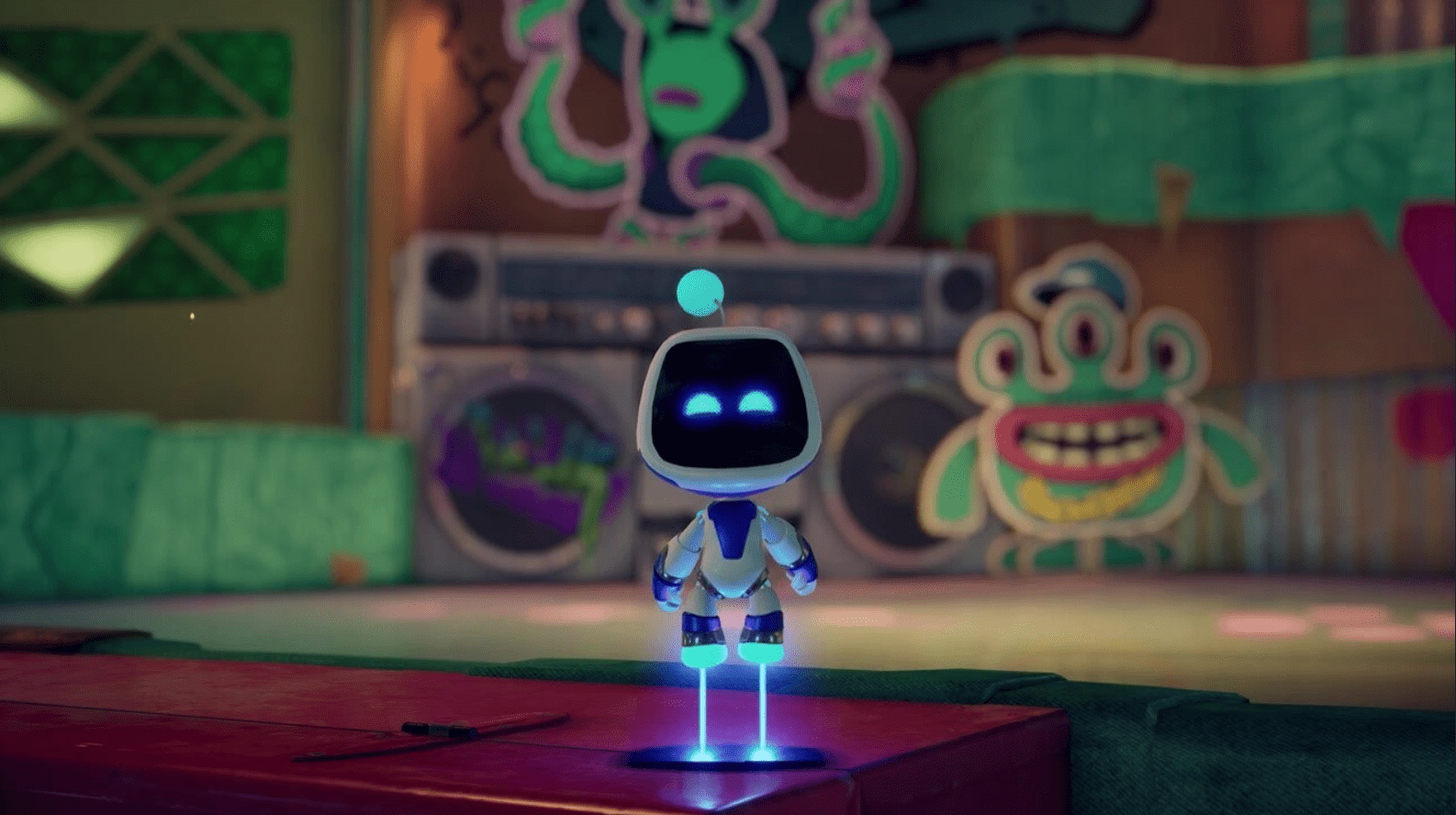
The game’s consistent word-of-mouth loop is powered by one thing Sony likely did not fully plan for at launch: Astro’s Playroom. Every single PS5 ever sold has shipped with that free preloaded game. That is tens of millions of households that have already met this character. Some of them will eventually pick up the full Astro Bot title, and that funnel keeps running as long as PS5 hardware continues to sell.
The PS5 Bundle Effect and What Sony Actually Built
When PlayStation included Astro’s Playroom as a free pack-in, the stated goal was to show off the DualSense controller’s haptic feedback and adaptive triggers. The game is genuinely the best demonstration of those features Sony has ever produced. You feel rain on your fingertips. You feel the tension of a bow being pulled. It is tactile in ways that still impress people who have owned the console for years.
But what Sony also accidentally built was a character introduction pipeline. Astro’s Playroom is, in many ways, a love letter to PlayStation history, filled with references to old controllers, classic consoles, and beloved franchises. For longtime PlayStation fans it feels nostalgic and warm. For new players, especially younger ones, it is just a great game with a character they immediately like.
That emotional connection is exactly what PlayStation has been missing in the family-friendly space for years. The company spent the better part of a decade building prestige action games aimed squarely at adult audiences. Those games were extraordinary, and they deserve every award they received. But they were not what you hand to a ten-year-old or a parent who wants to play something with their kids on a Saturday afternoon.
Nintendo understood this problem and turned it into a business model. Mario, Link, Kirby, and Pikachu are instantly recognizable to multiple generations of players across every age group. PlayStation never had an equivalent. Crash Bandicoot came close in the 1990s. Ratchet and Clank built a loyal audience. But none of them ever became a household name the way Nintendo’s icons did.
Astro Bot might be the first PlayStation character with a real shot at changing that, and the sales data supports the idea that it is already happening.
The Audience Astro Bot Is Actually Reaching
Third-party data cited in industry reports points to something genuinely surprising about who is buying Astro Bot. The game has significant audience overlap with Fortnite, Roblox, and Minecraft players. Those are not the people who typically show up in PlayStation’s demographic data. Sony’s biggest titles skew toward adult male players who want narrative experiences. Astro Bot is bringing in a different group entirely.
Families are buying it. Kids are playing it. Grandparents are reportedly picking up controllers for the first time because someone in the house is playing it and it looks like something they could try. That cross-generational pull is extremely hard to manufacture. You cannot write it into a game design document. It has to emerge from something genuine, and in Astro Bot’s case it emerges from controls that feel perfect, visuals that are bright and readable, and a difficulty curve that is welcoming without being condescending.
For what it is worth, I have watched my younger cousins who had never touched a PlayStation play Astro Bot for the first time. They did not need a tutorial explanation. They just picked it up and started playing. That is the real test of accessible design, and Astro Bot passes it completely.
This audience expansion is important for Sony beyond just one game’s sales numbers. PlayStation needs new players. It needs people who are not already committed to its ecosystem. A family that buys a PS5 because their twelve-year-old wants to play Astro Bot is a family that might also buy other PlayStation games over the next several years. That long-term value is difficult to put a number on but it is very real.
PlayStation’s Mascot History and Why It Matters Right Now
There is a version of PlayStation history where mascot platformers never went away. In the late 1990s and early 2000s, Sony’s platform had some of the best games in that genre. Jak and Daxter, Sly Cooper, and Ratchet and Clank were all genuinely excellent. LittleBigPlanet brought something completely new to the table and became one of the most creative games of its generation.
Then the shift happened. Motion capture improved. Storytelling in games matured. Players started expecting cinematic experiences. Sony followed that trend aggressively and it paid off with franchises like The Last of Us, God of War, Spider-Man, and Horizon. Those are some of the best games ever made. But the mascot platformer tradition quietly faded.
Ratchet and Clank: Rift Apart came out in 2021 and was beautiful, but it felt more like a showcase for the PS5’s technical capabilities than a major franchise revival. Sly Cooper has not had a new entry in over a decade. Jak and Daxter has been completely dormant for even longer. LittleBigPlanet’s servers were shut down due to security concerns in 2021, essentially ending that chapter entirely.
Astro Bot arrived into this vacuum and immediately filled it. It did not try to be serious or cinematic. It was unapologetically a game about jumping, exploring, and having fun, and players responded with genuine enthusiasm. The Game of the Year win at the end of 2024 was not just an industry moment. It was a signal that players were ready for this kind of game again and had been for a while.
Full Controller Button Layout Guide for PC and Xbox
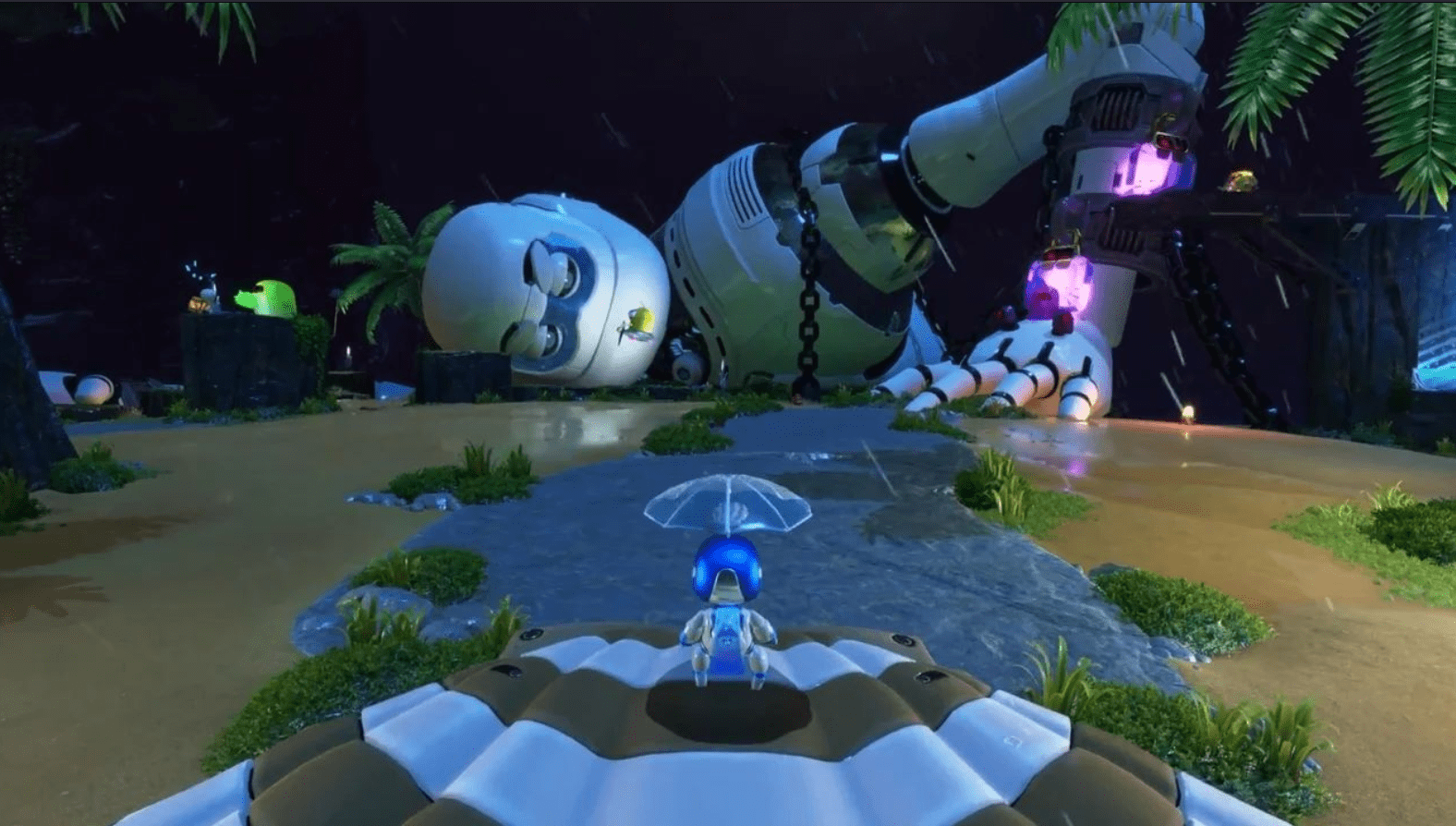
If you are playing Astro Bot on PC via PlayStation Now or a streaming service, or using an Xbox controller for a similar platformer experience, understanding your button mapping is important. Here is a complete breakdown based on standard configurations.
DualSense Controller Layout for Astro Bot on PS5
- Cross (X): Jump. Tap for a standard jump. Hold for a longer arc. This is your most used button by a large margin.
- Square: Punch or attack. Used to break crates, hit enemies, and interact with certain environmental objects.
- Circle: Back or cancel in menus. In some sections used to slide or roll depending on the world.
- Triangle: Confirm in menus. In gameplay used for specific gadget interactions in certain stages.
- L1: Suck in with the vacuum gadget when available. Used to pull smaller enemies or objects toward you.
- R1: Shoot or activate gadget. Context sensitive depending on which power-up you are currently holding.
- L2 (Adaptive Trigger): Squeeze to use abilities like the bow and arrow. The trigger adds physical resistance so you feel tension building as you pull back. This is where DualSense haptics shine most noticeably.
- R2 (Adaptive Trigger): Primary interaction trigger in some sections. Used for rope swinging and grappling mechanics. Also activates jet pack in specific stages.
- Left Stick: Move Astro in all directions. Tilt lightly to walk slowly. Push fully to run.
- Right Stick: Camera control. Rotate to look around. Useful in puzzle stages where you need to spot hidden routes above or below.
- L3 (Left Stick Click): Not commonly used in standard gameplay. Some accessibility options map crouch or sprint toggle here.
- R3 (Right Stick Click): Center camera behind Astro. Useful after rotating the view manually to reorient quickly.
- D-Pad Up: Not assigned in standard gameplay. Some games map quick select menus here.
- D-Pad Down: Same as above, context dependent.
- D-Pad Left / Right: Used to cycle through collected items or skins in some game modes.
- Options Button: Pause menu. Access settings, controller remapping, and accessibility features.
- Create Button: Screenshot and video capture shortcuts. Hold for video, tap for screenshot.
- Touchpad Click: In Astro Bot, the touchpad is used for certain interactive moments like swiping to reveal hidden objects in specific stages. It adds a layer of interactivity that no other controller currently replicates.
Xbox Controller Layout for PC Platformers in the Same Genre
If you are playing a similar platformer on PC using an Xbox controller, here is how the standard mapping typically works for games in this genre. Note that Astro Bot itself is not natively available on Xbox, but this layout applies to comparable titles like Psychonauts 2, A Hat in Time, or Crash Bandicoot 4.
- A Button: Jump. This is your primary action button. Standard short tap for small jumps. Hold for height.
- X Button: Attack or interact. Punch enemies, break boxes, activate switches.
- B Button: Cancel in menus. In gameplay used for dodge, roll, or secondary movement ability depending on the game.
- Y Button: Confirm in some menu systems. Also mapped to special ability or gadget in many platformers.
- LB (Left Bumper): Secondary gadget or ability trigger. Often used for grabbing or pulling mechanics.
- RB (Right Bumper): Primary ranged attack or gadget activation. Works for shooting, throwing, or activating power-ups.
- LT (Left Trigger): Lock-on or aim when available. In some platformers mapped to camera zoom or ability modifier.
- RT (Right Trigger): Sprint modifier when held in some games. Also used for boosting or accelerating in movement-focused stages.
- Left Stick: Character movement. Full range of directional control. Light pressure for walking, full push for sprinting.
- Right Stick: Camera control. Rotate and pan to get the best view of the stage. Essential in 3D platformers where enemy placement and hidden paths are often above or behind you.
- Left Stick Click (LS): Sprint toggle in some titles. Also used for crouching in games that support it.
- Right Stick Click (RS): Recenter camera. Very useful in open stages where manual camera rotation has left you disoriented.
- D-Pad Up: Quick swap between collected power-ups or items. Some games use it for emotes or hints.
- D-Pad Down: Drop item or deactivate current power-up.
- D-Pad Left / Right: Cycle through inventory or swap between abilities in games with multiple unlockable moves.
- Start / Menu Button: Pause the game. Access settings and restart level options.
- Back / View Button: Map or level overview when available. In some games toggles a hint system.
- Xbox Button (Guide): Opens Xbox overlay. Useful for screenshots, game captures, and achievement tracking.
PC Keyboard and Mouse Layout for Platformers in This Category
Some players prefer keyboard and mouse even for platformers. Here is the standard mapping most games in this genre default to on PC, which you can usually remap in settings.
- W / A / S / D: Character movement in all directions.
- Spacebar: Jump. Tap for short jumps, hold for longer airtime.
- Left Mouse Button: Attack or primary action.
- Right Mouse Button: Secondary ability or aim.
- E: Interact with objects, NPCs, or collectibles.
- Q: Gadget or power-up activation.
- Shift: Sprint modifier when held while moving.
- Ctrl: Crouch or sneak in games with stealth sections.
- Mouse Movement: Camera control in 3D platformers. Horizontal mouse movement rotates the camera around your character.
- Scroll Wheel: Zoom camera in and out where the game supports it. Also used to cycle through inventory in some titles.
- Escape: Pause and open the in-game menu.
- Tab: Map or objective overview in open-world sections.
- F: Sprint toggle or dash ability when available.
- R: Ability reload or gadget cooldown reset in some games.
- 1 / 2 / 3 / 4: Quick select between different abilities or power-ups in games with multiple options.
One personal note here: if you are playing any 3D platformer on PC and struggling with camera control on keyboard, switching to a controller for camera while keeping keyboard for movement is a legitimate strategy. I did this for the first few hours of Psychonauts 2 before eventually switching fully to controller, and it made a noticeable difference in how often I fell off ledges.
What Astro Bot’s Success Tells Publishers About Game Design
The bigger conversation Astro Bot is starting is about what kind of games actually build lasting value. The publishing industry has leaned heavily into live service models, battle passes, and games that require ongoing engagement to remain relevant. Many of those games succeed financially. But a lot of them also burn out their audiences quickly and struggle to remain relevant eighteen months after launch.
Astro Bot did not launch with post-launch content plans or a season pass. It shipped as a complete game. Players bought it, played it, finished it, and then told other people about it. That is the oldest marketing model in the world, and it is still one of the most effective when the game is genuinely good enough to earn it.
The awards cycle helped, no question. Winning Game of the Year at The Game Awards kept Astro Bot in public conversation long after its launch window closed. But awards alone do not produce 100,000 monthly sales more than a year later. That number comes from players recommending the game to people who would not otherwise seek it out on their own.
For Sony specifically, this opens up a question that the company will have to answer intentionally rather than accidentally. Astro Bot succeeded partly because no one over-thought it. The team at Team Asobi, which is a relatively small studio by PlayStation standards, was given room to make a game that felt joyful and complete. That environment produced something the market rewarded generously. The challenge now is whether Sony tries to replicate that environment or starts treating Astro Bot like a major franchise with major franchise expectations and pressure.
The Nintendo Comparison Nobody Wants to Make but Everyone Is Thinking About
It is impossible to talk about Astro Bot’s growth without eventually acknowledging the parallel. Nintendo has spent decades building franchises that sell consistently, attract families, and bring in players who would not otherwise engage with gaming. That is a massive commercial advantage. It is also something Sony has never really had.
I want to be careful here because the comparison is easy to overstate. Nintendo’s dominance in family-friendly gaming is the result of thirty-plus years of brand building. Astro Bot has been a recognizable character for roughly five years. The gap in scale is enormous.
But the structural position Astro Bot occupies for PlayStation is genuinely similar to what Mario occupies for Nintendo. It is the game that comes with the console. It is the game that makes new players feel welcomed. It is the game that does not require any previous knowledge of gaming culture to enjoy. That positioning matters, and Sony has never had a character that occupied it as cleanly as Astro does right now.
If PlayStation ever wants to compete with Nintendo for family audiences, this is the character to do it with. Whether Sony actually commits to that strategy or continues treating Astro Bot as a side project between bigger releases will say a lot about how seriously the company is thinking about long-term audience growth.
What a Sequel Would Need to Do
At current sales velocity and audience growth, a sequel feels less like a question of if and more like a question of when. But sequels to games like this carry specific risks that are worth thinking about.
The original Astro Bot worked because it was made by a team that clearly loved what they were building. The controls feel perfect not because someone mandated perfect controls, but because the developers iterated on them obsessively until they felt right. That kind of care is hard to preserve when a franchise gets bigger and a sequel carries much larger expectations.
A sequel also needs to expand the world without losing the simplicity that made the original special. Adding too many mechanics can muddy a game that succeeded precisely because it was clean. Astro Bot does not need a crafting system or an open world or a dialogue tree. It needs more of what already works, executed with the same attention that made the first game feel like it had no wasted moments.
The PlayStation character cameos in the original game, where you found and rescued tiny figures representing characters from across Sony’s catalogue, were one of the most charming elements in the game. A sequel could expand that idea dramatically, and it would give Sony a reason to remind players of franchises that might have gone quiet while also keeping Astro’s world fresh.
If the next game ships within the next two years and the PS5 install base continues to grow, the sequel could have a bigger opening week than the original even without any fundamental changes to what makes the series work. The pipeline that Astro’s Playroom created will keep feeding new players into the franchise as long as the hardware keeps selling.
The Broader Platform Opportunity Sony Is Sitting On
There is a version of the next five years at PlayStation where Astro Bot becomes an anchor for a wider creative shift. Sony could use the franchise’s success as evidence that family-friendly games have a real audience on their platform, which could encourage more third-party developers to bring that kind of content to PS5. It could also justify reviving some of the dormant Sony-owned franchises that have been sitting unused for years.
Ratchet and Clank has a devoted fanbase and an animation style that still holds up beautifully. Sly Cooper’s stealth-platformer formula is genuinely unique and has no direct competitor in the current market. LittleBigPlanet’s creation tools were ahead of their time and still have no real equivalent on PlayStation. These franchises did not fail because players stopped liking them. They were deprioritized. Astro Bot’s success makes it harder to justify keeping them on the shelf.
There is also the question of Astro Bot as a media property beyond games. PlayStation Productions has been actively adapting Sony’s gaming franchises into films and television. The Last of Us on HBO was a massive success by almost any measure. A movie or animated series built around Astro Bot would have a built-in audience across age groups, and the visual style of the game would translate naturally into animation. That kind of cross-media expansion is exactly how Nintendo turned Mario from a game character into a cultural icon, and Sony has the infrastructure to do the same thing.
Why This Moment Feels Different From Past Attempts
PlayStation has tried to build mascot characters before. Knack launched alongside the PS4 and was widely considered a disappointment, both commercially and critically. The company has not invested heavily in that space since then, which made Astro Bot’s success feel somewhat accidental even from Sony’s own perspective.
What is different this time is that Astro Bot succeeded on quality rather than marketing. Sony did not run a massive campaign positioning Astro Bot as the face of PlayStation. The game did not have the kind of advertising budget that God of War or Spider-Man receives. It earned its audience through genuinely excellent design, a generous free on-ramp through Astro’s Playroom, and reviews that communicated clearly what kind of experience it offered.
That organic success is actually more durable than manufactured hype. A character that players discovered and fell in love with on their own terms is a character they feel some ownership over. That emotional investment is what turns a game into a franchise and a franchise into a brand.
Knack felt like a corporate decision to have a mascot. Astro Bot feels like an actual mascot, which is a completely different thing and the reason one of those names gets brought up with affection and the other is mostly remembered as a punchline.
Final Thought: The Robot Earned It
I think about that first evening with Astro’s Playroom sometimes. There is a level where you are inside a giant fan and you tilt the controller to direct the airflow and guide a paper plane through a moving obstacle course. The haptics buzz like you are actually holding something in the wind. It is a small moment in a small game that shipped free with a piece of hardware, and yet it is one of the most memorable things I have experienced in years of gaming.
That is what Astro Bot does. It finds small, specific, joyful moments and executes them so precisely that they stick with you. And apparently, they stick with a lot of other people too, because 4.3 million copies later, the small smiling robot is one of the most important characters in PlayStation’s history.
Sony did not plan this. But now that it is happening, the question is whether they are paying close enough attention to understand what they actually have. If they do, Astro Bot is not just a success story. It is a blueprint for the next chapter of what PlayStation can be.
The game is still selling. New players are still finding it. And somewhere right now, someone is playing Astro’s Playroom for the first time on a brand new PS5, meeting a character they have never heard of, and probably smiling the same way I did.
That is how a giant gets built. Quietly, one player at a time.