I remember the exact moment I heard the rumor about a Persona 4 remake getting serious traction. It was late at night, scrolling through a forum thread, and I thought, “There is no way Atlus is actually doing this.” Then the Xbox Games Showcase happened. And everything changed in about 90 seconds of trailer footage.
Atlus did not just show one game. They showed two. And for fans of the Persona series, this showcase was the kind of moment you screenshot and save forever.
Persona 4 Revival Is Real and It Has a Launch Date
The long discussed and heavily rumored Persona 4 remake is now officially called Persona 4 Revival. Atlus confirmed it during the Xbox Games Showcase with a full reveal trailer, and they locked in a release date: February 18, 2027.
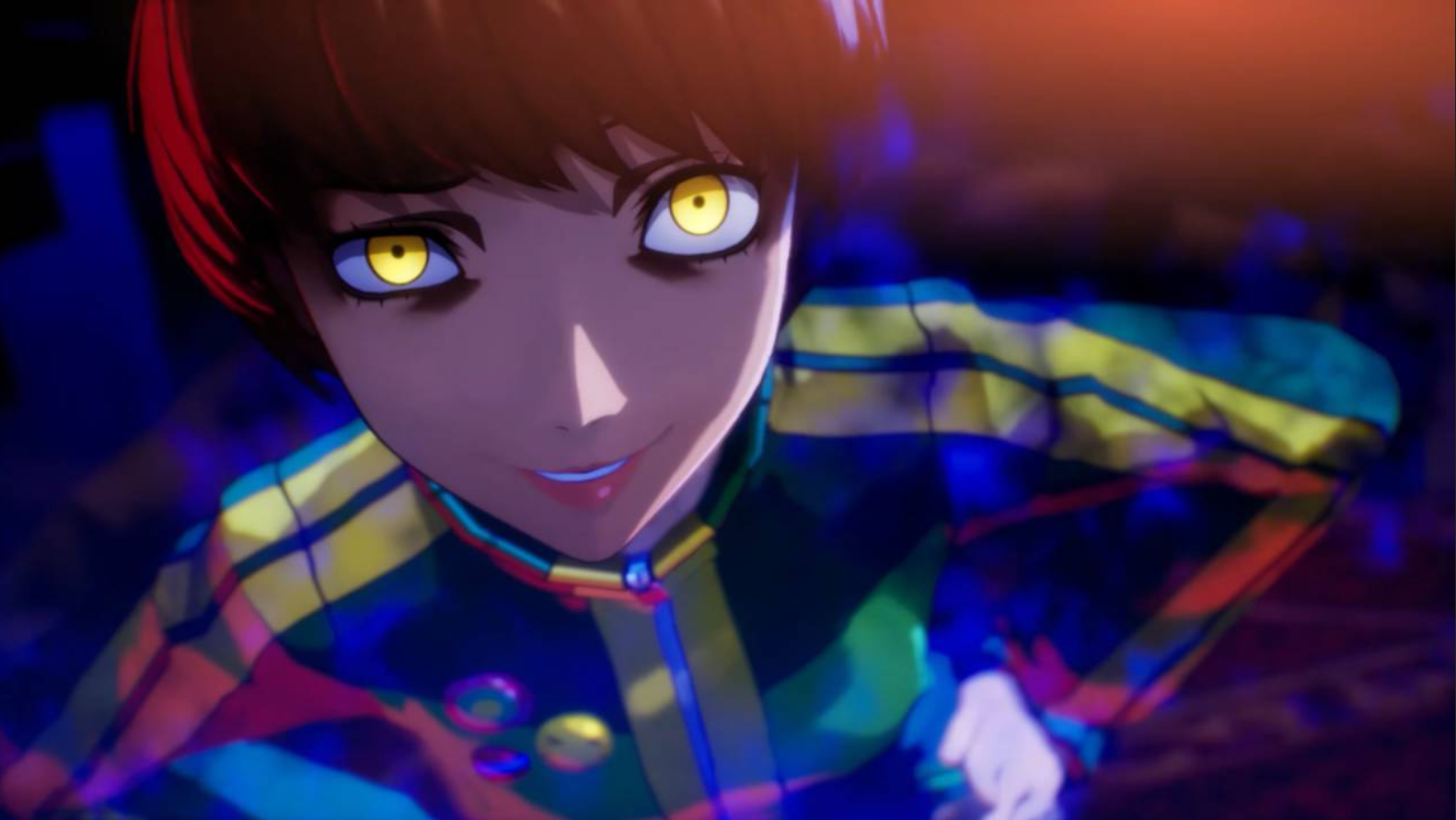
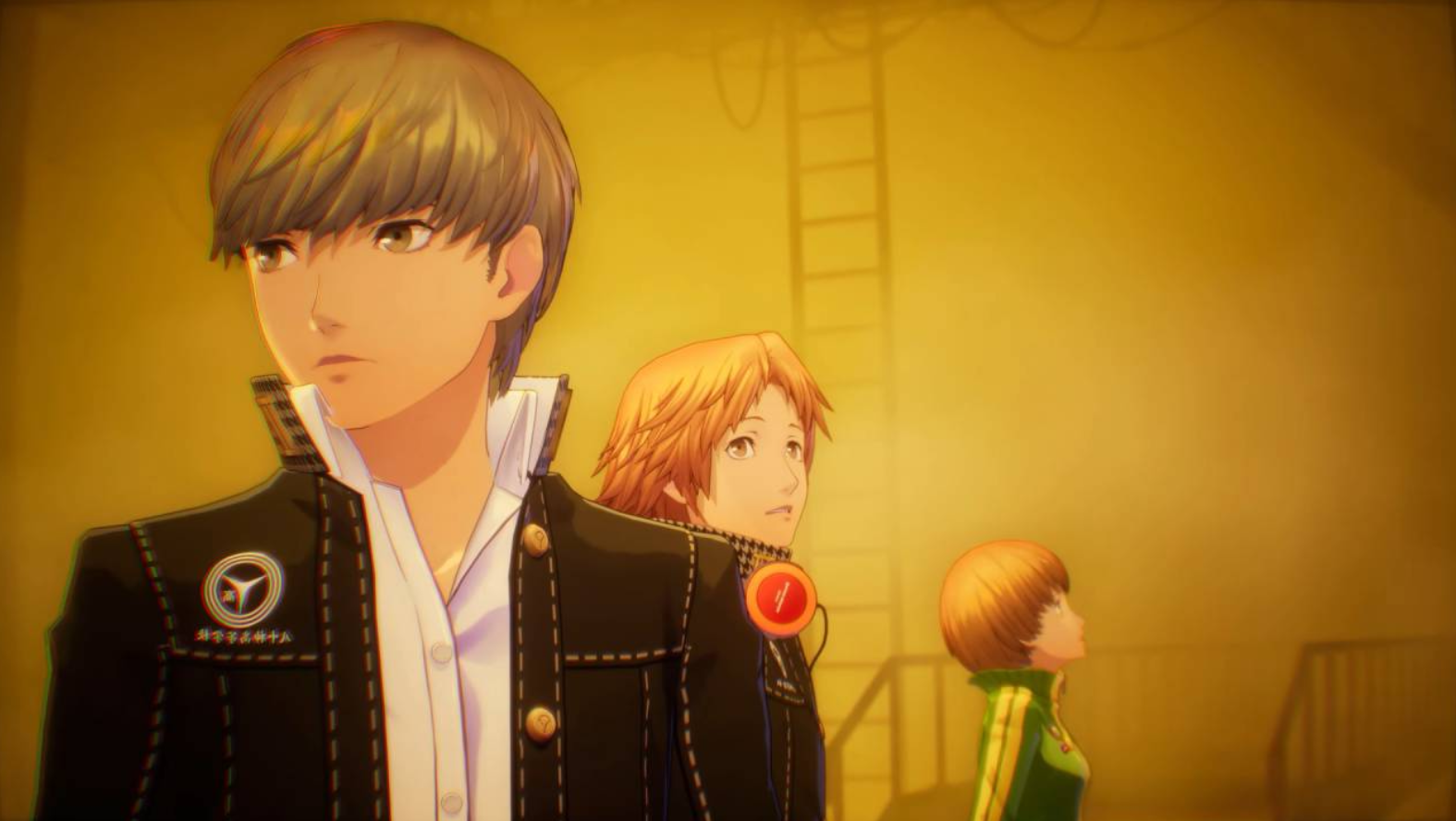
This is not a small update or a simple port. From what the trailer showed, Persona 4 Revival is a full scale rebuild. Cutscenes have been redone from scratch. Locations have been reworked with much more visual detail. The combat looks completely overhauled. The user interface is fresh and modern. And perhaps most importantly for longtime fans, Marie is back.
Marie was introduced in Persona 4 Golden, the expanded version of the original game. Her return in the Revival trailer immediately answered a question many fans had been asking for months: is this remake based on the base game or is it built on Golden? Her inclusion strongly suggests Atlus is treating Persona 4 Golden as the foundation, not an optional add-on.
For context, if you never played Golden, Marie is a character who became one of the most talked about additions in that version. Her social link, her personality, and her role in the story made her a fan favorite almost immediately. Seeing her in the Revival trailer got a very vocal reaction from the community.
What the Trailer Actually Showed
The reveal trailer was detailed enough to get a clear picture of what Atlus is going for. Here is a breakdown of what was shown:
- Fully remade cutscenes with new animation quality
- Redesigned dungeons and exploration areas with improved environmental detail
- New battle footage showing a reworked combat flow
- A completely new UI that fits the visual style of the game while feeling modern
- New 2D character portraits and updated art direction
- Marie appearing in what looks like story relevant footage
- Yosuke and other returning characters redesigned to feel more modern while staying true to their original look
Visually, the game draws clear inspiration from Persona 3 Reload, which Atlus released in 2024. That game was widely praised for how it modernized a classic without losing its soul. But Persona 4 Revival does not look like a copy. The art direction has its own identity. The color palette, the UI animations, and the character work all feel distinct.
Some viewers in the community went as far as saying Revival already looks better than Reload did. That is a bold take, given how well received Reload was. But watching the trailer, I can see where that opinion comes from. The character expressions look more refined. The world feels more alive. Atlus has clearly been pushing their visual capabilities forward.
The music snippets in the trailer also created discussion. The audio direction seems slightly different from the original recordings, and some fans noticed the vocal performances sounded changed from what they remembered. This kind of thing always sparks debate in communities built around games with iconic soundtracks, and Persona 4 has one of the most beloved soundtracks in the genre.
Collector Editions and Physical Packages
Atlus confirmed multiple versions of Persona 4 Revival will be available. Japan has already had several premium packages announced, and they include:
- Art books with official game artwork
- Costume DLC packs
- Music bonus content
- Collector extras and special physical goods
The most talked about item is a large statue of Yu Narukami, the main character, alongside his Persona Izanagi. Collector figures for Persona games tend to generate enormous interest, and this one was no different. Within hours of the announcement, Persona collectors were already discussing how they would get their hands on it.
Western release details for collector editions have not been fully confirmed, but given how Atlus handled Persona 3 Reload and Metaphor: ReFantazio, regional collector packages are expected to follow.
Which Platforms Is Persona 4 Revival Coming To
This is where things got a little complicated during the reveal. The trailer confirmed Persona 4 Revival for several platforms, but notably, Nintendo Switch and Nintendo Switch 2 logos were not shown at the end of the trailer.
The confirmed platforms from the trailer include PlayStation, Xbox, and PC. The absence of Nintendo branding sparked immediate discussion, especially because Sega and Atlus have publicly committed multiple times to releasing their games across as many platforms as possible.
But the community reaction was not panic. Most fans pointed out that this is exactly how Atlus has handled Nintendo announcements before. Previous Persona and Atlus titles were announced for PC and console first, with Nintendo versions revealed separately during Nintendo Direct broadcasts. It is a pattern that has repeated often enough that many fans expect a Switch 2 version to be revealed at a separate Nintendo event rather than a third-party showcase.
The turn-based nature of the gameplay, the visual style, and the portable-friendly structure of Persona games make them a natural fit for Nintendo hardware. Industry observers have pointed this out repeatedly. So while no logo appeared, the prevailing belief in the community is that a Switch 2 version is coming and will be shown on its own timeline.
Complete Controller Button Layout Guide for Persona 4 Revival on PC and Xbox
Since Persona 4 Revival launches on Xbox and PC, many players will be using either an Xbox controller or a keyboard and mouse setup. Based on the combat system shown in the trailer and the established layout from Persona 3 Reload (which Revival closely mirrors in terms of structure), here is a full expected control breakdown. Note that official button remapping may be confirmed closer to launch.
Xbox Controller Layout
| Action | Button |
|---|---|
| Confirm / Interact | A Button |
| Cancel / Back | B Button |
| Menu / Options | X Button |
| Extra Action / Sub Menu | Y Button |
| Move Character | Left Stick |
| Camera Control | Right Stick |
| Open Main Menu | Start Button |
| Map / Journal | Select / Back Button |
| Switch Target Left | LB (Left Bumper) |
| Switch Target Right | RB (Right Bumper) |
| Hold to Run / Sprint | LT (Left Trigger) |
| Attack / Confirm Action | RT (Right Trigger) |
| Navigate Menus | D-Pad (Up / Down / Left / Right) |
| Lock On / Focus Enemy | Right Stick Click (R3) |
| Minimap Toggle | Left Stick Click (L3) |
| Quick Save (if available) | View Button |
| Shortcut Skills Slot 1 | D-Pad Up |
| Shortcut Skills Slot 2 | D-Pad Down |
| Shortcut Skills Slot 3 | D-Pad Left |
| Shortcut Skills Slot 4 | D-Pad Right |
In Battle Controls (Xbox)
| Battle Action | Button |
|---|---|
| Select Melee Attack | A Button |
| Open Skills Menu | X Button |
| Guard / Defend | B Button |
| Use Item | Y Button |
| Cycle to Next Ally | RB |
| Cycle to Previous Ally | LB |
| Confirm Action | A Button |
| Cancel Selected Action | B Button |
| All Out Attack (when available) | Prompted on screen (A Button) |
| Switch Party Command Mode | D-Pad during battle |
| Escape from Battle | Start, then select option |
PC Keyboard and Mouse Layout
| Action | Default Key |
|---|---|
| Move Character | WASD Keys |
| Confirm / Interact | Enter or Z |
| Cancel / Back | Backspace or X |
| Open Main Menu | Escape or Tab |
| Camera Rotate | Mouse Movement or Arrow Keys |
| Run / Hold to Sprint | Shift |
| Attack in Battle | Z or Enter |
| Skills Menu | S or A in menu |
| Guard / Defend | X |
| Use Item | C |
| Switch Target | Q / E |
| Open Map | M |
| Journal / Quest Log | J |
| Shortcut Skills | 1 / 2 / 3 / 4 Number Keys |
| Quick Save | F5 |
| Quick Load | F9 |
| Screenshot | F12 or Print Screen |
| Fullscreen Toggle | Alt + Enter |
These controls are based on the established Persona 3 Reload PC and Xbox layout, which Revival is expected to follow closely. Atlus will likely release official control customization settings before or at launch. PC players can also expect full controller remapping support through Steam or Xbox Game Pass on PC.
If you are new to Persona games and plan to play on PC, I personally recommend using an Xbox controller over keyboard and mouse for the menu-heavy gameplay. The menus in these games are beautiful and designed with a controller in mind. That said, keyboard navigation works fine once you get used to it.
What Marie Coming Back Means for the Story
This deserves its own section because it is genuinely important to understanding the scope of the remake.
Marie was added in Persona 4 Golden as a new Social Link and as a character who ties into the ending of the game in a meaningful way. She is not in the original Persona 4. Her presence fundamentally changes parts of the story, adds new dialogue with the main cast, and unlocks content that was not available in the base game.
Her appearance in the Revival trailer is the clearest signal yet that Atlus built this remake from the Golden version rather than starting with the 2008 original. This means players who only played the original PS2 release are getting the full Golden experience as the baseline, not as an upgrade.
It also raises the question of whether Atlus plans to add any new content beyond what Golden already offered. With Persona 3 Reload, Atlus initially did not include The Answer, the expansion from Persona 3 FES, though they later released it as paid DLC called Episode Aigis. Many fans are now wondering whether Revival will follow the same approach and whether there might be additional story content announced after launch.
No official word on that yet. But the community is watching closely.
Persona 6 Gets Its First Official Teaser
After the Persona 4 Revival reveal, Atlus had one more announcement ready. And it was the one fans had been hoping for even longer.
Persona 6 is officially confirmed.
The teaser was short and intentionally vague. There were no characters shown. No gameplay footage. No release date. What it did show was atmosphere, and the atmosphere was very different from what Persona fans have seen in recent years.
The teaser used dark imagery. Graveyards. Glitch effects. A visual language that felt heavy and unsettling rather than energetic or stylish. The color scheme is green, which had been widely speculated based on leaked artwork. That leaked image turned out to be accurate, confirming a palette that is a significant departure from the red and black of Persona 5 or the blue of Persona 3.
What the Tone of Persona 6 Is Telling Us
Persona fans have a long memory when it comes to tone shifts in the series. Persona 3 dealt with death, depression, and the concept of choosing to live. Persona 4 focused on truth, identity, and confronting what people hide about themselves. Persona 5 was about rebellion and systemic corruption but wrapped it in a stylish and almost playful visual language.
Persona 6 looks like it is heading back toward the psychological heaviness of Persona 2 and 3. The graveyard imagery, the glitch effects, and the dark green color scheme all point toward a story that is going to sit in uncomfortable territory. Multiple fans in community discussions have drawn comparisons to Persona 2: Innocent Sin specifically, which dealt with urban legends, rumors becoming reality, and shadow selves in ways that were genuinely disturbing for a game of its time.
This shift in tone is intentional. Atlus knows exactly what they are doing with marketing, and the choice to lead the announcement with such heavy imagery is a deliberate signal about where the story is going.
What the Xbox Store Description Revealed About Persona 6
While the teaser itself kept things mysterious, an official Xbox store listing for Persona 6 surfaced during and after the showcase. It gave away significantly more than the trailer did.
Key confirmed details from the store description:
- Persona 6 features a completely new story and a brand new cast of characters
- The game is designed to be played as a standalone entry, meaning no prior Persona knowledge is required
- Social links return, with relationship building as a core mechanic
- School life and daily routine structure will be part of gameplay again
- Romantic options are confirmed to return
- The calendar-based progression system that has defined the series comes back
- The story involves urban legends, supernatural events, and secrets hidden beneath everyday life
That last point is especially interesting. Urban legends and the idea of hidden truths beneath surface reality connects directly to the tone of the teaser. It also connects to themes from Persona 2, where rumors and urban myths became real and dangerous.
The fact that Atlus confirmed the game is a standalone entry is good news for new players. It also suggests that while the setting and mechanics will feel familiar to veterans, the story will not require knowledge of who Igor is or what a Velvet Room means. Though you can expect those elements to still be there in some form, as they are part of the series DNA.
Persona 6 Release Date Speculation and What Is Realistic
Atlus gave no release date for Persona 6. Not even a year. The teaser did not include any window at all.
Two main camps have formed in fan discussions. One group believes Persona 6 could arrive in late 2027, which would coincide with the 30th anniversary of the Persona series (the first Persona game launched in 1996 in Japan). A 30th anniversary launch would be a major marketing moment for Atlus, and Sega tends to be smart about milestone timing.
The second camp thinks 2028 is far more likely. The argument is simple: no characters, no gameplay, no release window. Games that are close to launch get trailers with actual content. A teaser this thin usually means the game is still in mid-development, not approaching a final stretch.
Both arguments have merit. Atlus has been known to hold back major reveals for extended periods. Metaphor: ReFantazio was in development for years before it was publicly shown. Persona 3 Reload was similarly quiet before its reveal campaign picked up speed.
What is not in dispute is that Persona 6 has reportedly been in active development for several years. The question is how much of that time was spent in early concept and pre-production versus full production. Given that Atlus also had Persona 4 Revival and presumably other projects running in parallel, their studio bandwidth matters too.
According to Metacritic, Persona 5 Royal holds a 95 critic score, making it one of the highest rated JRPGs ever made. Persona 6 carries a weight of expectation that is unlike anything the series has faced before. Atlus taking extra time to get it right is not surprising. It would actually be strange if they rushed it.
How Persona 4 Revival Compares to Persona 3 Reload
Since Persona 3 Reload is the most recent remake in the series and the clearest blueprint for what Revival might do, it helps to look at what Reload achieved and what questions it left open.
Persona 3 Reload launched in February 2024 and received strong reviews across the board. It modernized the combat, added new social events called Linked Episodes for male party members that were not in the original, fully voiced the protagonist’s room and other scenes that were previously silent, and rebuilt the entire visual presentation from the ground up.
What it did not include at launch was the female protagonist route from Persona 3 Portable or The Answer expansion from Persona 3 FES. The Answer later came as paid DLC. The female route has still not been added.
For Persona 4 Revival, fans are hoping Atlus learned from the community reaction to those omissions. If Marie is in the game from the start, that is already a better starting position than Reload had, since Reload launched without any of its major expansions. Whether Revival will add new content beyond what Golden offered remains to be seen.
The visual comparison is also relevant. Reload looked excellent. But based on the Revival trailer, the character work and environmental detail look a step further. This could simply be two years of additional engine development. It could also mean Atlus gave the Revival team more production resources. Either way, the gap in visual quality between Reload and Revival (if the trailer is representative of the final product) appears to be noticeable.
Fan Reaction and Community Response
The response to both announcements was massive. Persona 4 Revival trended across social platforms within minutes of the reveal. The specific moments that generated the most discussion were Marie’s appearance, the redesigned character portraits for Yosuke and the main cast, and the look of the new UI system.
Not everything was universally positive. Some fans expressed concern about the changed vocal performances, noting that certain voice lines sounded different from what they remembered. Persona games have deeply attached fan communities, and the original voice work carries a lot of emotional memory for people who grew up with these games. Any change to those performances, even improvements, can feel jarring.
The Persona 6 reaction was more split. Some fans loved the dark and mysterious tone of the teaser. Others felt it was too short and too vague to form a real opinion. A common sentiment was something like: “I want to be excited but I need to see more.” That is a reasonable place to be given how little actual information was shared.
The green color scheme has been a topic of particular debate. Persona games are heavily associated with their color palettes. Blue for 3, Yellow for 4, Red for 5. Green is unusual and not everyone is immediately sold on it. But this same conversation happened when Persona 5 first showed its red and black branding, and that game became one of the most visually distinctive JRPGs ever made. Atlus has earned some trust on this front.
What This Means for Atlus and Sega Going Forward
Atlus is in an unusual position right now. They are simultaneously managing a high-profile remake of one of their most beloved games, developing what many expect to be the most important new entry in their flagship series, and continuing to support Metaphor: ReFantazio, which launched in October 2024 to significant critical acclaim.
Metaphor: ReFantazio showed that Atlus can deliver a new IP at the same quality level as Persona. That matters for Persona 6 because it demonstrates the team has not been sitting still. They have been actively developing, shipping, and iterating on their craft.
Sega’s broader strategy also plays a role. The company has pushed harder into Western markets in recent years, and Persona has been a major part of that effort. Persona 5 Royal coming to Xbox Game Pass was a significant moment. Persona 3 Reload doing the same at launch normalized day one Atlus titles on Game Pass. Persona 4 Revival being shown at the Xbox Games Showcase and presumably launching on Game Pass continues that trend.
This relationship with Xbox and Microsoft appears strong, and it benefits players by making these games more accessible. Whether that relationship extends to Persona 6 in a similar way has not been confirmed, but it would be surprising if it did not.
Everything You Need to Know Before Persona 4 Revival Launches
If you have never played Persona 4 or Persona 4 Golden, here is what you are getting into with Revival.
Persona 4 is set in the fictional rural town of Inaba, Japan. The protagonist is a high school student who moves to Inaba to live with his uncle, a detective. Shortly after arriving, a series of murders begins, and the victims all seem connected to a mysterious phenomenon: people appear on a foggy TV broadcast the night before they are found dead.
The protagonist and his friends discover they can enter a world inside the television, a surreal dungeon realm called the TV World. They gain the ability to summon Personas, manifestations of their inner selves, to fight Shadows. The story is fundamentally about truth, the masks people wear in social life, and what happens when those masks are confronted.
The Social Link system, which carries through to Revival, lets you build relationships with characters in your daily life outside of dungeons. Those relationships strengthen your Personas and change how some story moments unfold. It is the part of the game that most players point to as what makes Persona games feel different from other RPGs. You are not just dungeon crawling. You are living a year in someone’s life.
Marie, the new character from Golden, adds a social link that connects to the larger mythology of Inaba and the TV World. Her route adds several new scenes and a new ending sequence that recontextualizes parts of the main story. If Revival is built on Golden, new players are getting all of this from the beginning.
Social Links and the Calendar System Explained
For players coming from other RPG traditions, the calendar system in Persona can feel unusual at first. Each in-game day is a unit of time that you spend on different activities. You might spend your afternoon studying, then your evening visiting a friend to advance their Social Link. Days pass, seasons change, and eventually you reach the end of the school year.
The pressure of the calendar teaches you to prioritize. You cannot do everything in one playthrough. Some players focus on maxing out every Social Link. Others prioritize the story and dungeon exploration. Your choices in how you spend time shape which scenes you see and how strong your Persona fusions become.
This structure is one of the most discussed and written about design elements in modern RPGs. Researchers and game designers at institutions like GDC (Game Developers Conference) have referenced Persona’s calendar and Social Link system as influential examples of player agency within a fixed narrative structure.
Revival almost certainly keeps this intact. The store description for Persona 6 also confirms the calendar system returns in that game, so Atlus is clearly committed to it as a series staple.
Dungeon Exploration in Persona 4 and What Revival Might Change
The dungeon in Persona 4 is called the Midnight Channel, and it is divided into separate areas tied to each major character’s Shadow. Unlike Persona 3’s randomly generated Tartarus, Persona 4’s dungeons were structured but still procedurally laid out on each visit.
Persona 3 Reload replaced the procedural dungeon approach with a more handcrafted level design philosophy. Many fans and critics considered this one of Reload’s best changes. The dungeon areas felt more intentional and more connected to the story being told.
If Revival follows the same approach and rebuilds the Midnight Channel dungeons with more deliberate design, that would be a significant improvement. The trailer showed dungeon footage, and the environments looked more detailed and purposeful than the original. Whether they are fully reworked or simply enhanced versions of the original layouts remains unclear until more detailed hands-on coverage is available.
Looking Ahead to What Comes Next
Between now and February 18, 2027, Atlus will release more information about Persona 4 Revival. Expect a gameplay deep dive, more character reveals, and probably a closer look at the collector editions for Western markets. There may also be a separate Nintendo Direct appearance where the Switch 2 version is officially announced, if that version is in fact coming.
For Persona 6, the wait for more information will be longer. A game with no release window and a teaser this minimal is probably 12 to 24 months away from a full reveal campaign. But the confirmation that it exists is meaningful on its own. After years of speculation and silence, knowing it is officially in development and officially announced changes the conversation entirely.
I genuinely did not expect both announcements at the same showcase. Walking away from that Xbox presentation with a Persona 4 release date AND a Persona 6 confirmation felt like more than anyone had the right to expect from a single event. Atlus clearly wanted to make a statement, and they made it.
The Persona series has spent years building an audience outside of Japan, slowly growing from a cult classic to a genuine mainstream JRPG presence. Persona 5 Royal on Game Pass accelerated that. Persona 3 Reload reinforced it. Persona 4 Revival and Persona 6 are the next chapters in that story.
For the fans who have been here since the beginning, and for the new players who are going to discover these games for the first time through Revival, there is a lot to look forward to. February 18, 2027 cannot arrive soon enough.