Phantom Blade Zero October 29 Release Date Every Confirmed Upgrade, Full Controller Guide and What Comes Next Gaming Zone

Phantom Blade Zero October 29 Release Date: Every Confirmed Upgrade, Full Controller Guide and What Comes Next

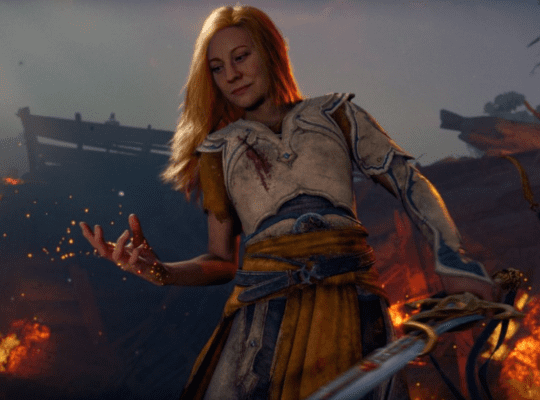
S-Game just pushed Phantom Blade Zero from its earlier September window to October 29, 2025. Fifty extra days. That is not a massive shift on paper, but the studio’s explanation for why they made the call is what actually matters here. They did not delay to fix a broken game. They delayed because they spotted what they described as one last real chance to make something already good into something genuinely great before it ships. I have been following this game since its first reveal in 2023. The combat footage alone was enough to pull me in completely. Watching each new showing since then, I kept thinking the same thing: this team is clearly not rushing. The delay confirms that instinct. Below is everything confirmed so far, including what S-Game is actually changing, what the upcoming State of Play will cover, a full controller button layout guide for both PC and Xbox, and why October 29 may work out better for this game than September ever would have.

Why S-Game Pushed the Date to October 29

The studio released a detailed public statement after the announcement. They were direct about the reasoning. Over the past several months, the team went deep on content refinement and realized they had a window to push quality further before release. That window required more time. So they took it. S-Game described the development of Phantom Blade Zero as a continuous process of learning and raising the bar. From the 2023 debut through every demo shown in 2024 and 2025, including the Seven-Star Sword Formation, the Lion Dance sequence, and the Drunken Sword style showcase, each public appearance reflected real progress in the underlying technology and design philosophy. According to the team, the most recent months were focused entirely on optimizing what is already in the game rather than adding new content. During that process they identified specific areas where one more push before shipping would make a meaningful difference to how players experience the game on day one. The statement closed with a direct apology for the wait and a thank you to the community that has followed the project for years. No corporate language. No deflection. Just an honest explanation from a team that clearly cares about what they are building.

What Is Actually Being Improved Before Launch

S-Game confirmed several specific areas of improvement currently in progress. These are not vague promises. The team named them openly in their statement.

Character Model Updates

The character models across the game are being reworked. The team did not specify which characters are affected but confirmed this is an active area of work. Higher fidelity character presentation at launch rather than through a post-release patch is the goal.

Visual Settings Adjustments

The overall visual settings configuration is being refined. This touches how the game handles different hardware combinations and what options players have access to on day one.

Ray Tracing On and Off Quality

This is one of the more interesting specifics S-Game shared. The team put extra effort into making sure the game looks strong even when ray tracing is completely turned off. Many developers treat ray tracing off as an afterthought. S-Game explicitly named it as a priority. The goal is visual quality across a wide range of hardware, not just on top-end machines. The game still benefits from ray tracing when enabled, but the experience without it should hold up independently.

Mood, Intensity and Visual Identity Across Hardware

The studio stated that maintaining the game’s atmosphere and visual character across different system configurations is a core objective. They want someone playing on a mid-range setup to feel the same weight and tone as someone playing on a high-end machine. That is an ambitious standard to hold, but the fact that they named it suggests they are actively testing against it.

Launch Day Completeness

S-Game was clear that improvements which could have been added via post-launch patches are instead being included in the day one build. Anyone who buys the game at launch gets the most current version immediately. No waiting for updates to fix what the team already knew about before shipping.

The Dedicated Phantom Blade Zero State of Play

Alongside the delay announcement, S-Game confirmed a full dedicated State of Play presentation focused entirely on Phantom Blade Zero. The event is scheduled for later this summer. According to the studio, the presentation will run between 15 and 20 minutes and will cover areas of the game that have not yet received public attention. Confirmed topics for the State of Play include the game’s world and lore structure, an extended look at the combat system in action, how exploration works across different environments, and the character progression framework. The studio also confirmed that most of the footage shown will be entirely new material, not recycled clips from previous showings. Pre-orders are set to go live at the same time as the new trailer that accompanies the State of Play announcement. If you have been waiting to lock in a purchase, that is when the option becomes available. A brief Phantom Blade Zero appearance also occurred during PlayStation’s most recent State of Play, though it was a short segment rather than a deep dive. The upcoming dedicated presentation is the real showcase. Phantom Blade Zero October 29 Release Date Every Confirmed Upgrade, Full Controller Guide and What Comes Next
Where Phantom Blade Zero Stands in the Current Release Calendar

September is genuinely one of the most packed months in the annual games release calendar. Moving out of that window and into October 29 gives Phantom Blade Zero more room to breathe. The game does not have to compete for attention in the same compressed window as several other large releases. There is an ongoing conversation in the industry about how the anticipated release of Grand Theft Auto VI has affected how publishers are scheduling their games. Developers and publishers are actively thinking about proximity to that release. Moving to October 29 places Phantom Blade Zero in a different part of the calendar entirely, which may benefit its visibility at launch. The game also targets a specific audience that does not overlap heavily with everything else competing for attention this year. Phantom Blade Zero is built for players who want dense action combat, layered progression systems, and production values that push what the medium can look like. That audience is not the same as the audience for every other major release this season.

Wishlist Numbers and What They Signal

S-Game previously shared that Phantom Blade Zero crossed one million Steam wishlists within fifteen days of becoming available to wishlist. That is a strong early indicator of demand. Most games never reach that number across their entire pre-release period. The game has also been featured prominently in PlayStation marketing across multiple showcase events, which has kept it visible to a large console audience. The PC version expanding that reach beyond PlayStation owners gives the game two distinct audiences to land with at launch. According to Steam’s publicly visible data, the wishlist count and user engagement signals have remained consistently strong throughout the development period, which is not always the case for games with longer development windows.

What We Know About the Game Itself

For anyone coming to this fresh or looking for a full picture of what Phantom Blade Zero actually is, here is what S-Game has confirmed across all public showings.

Setting and Story

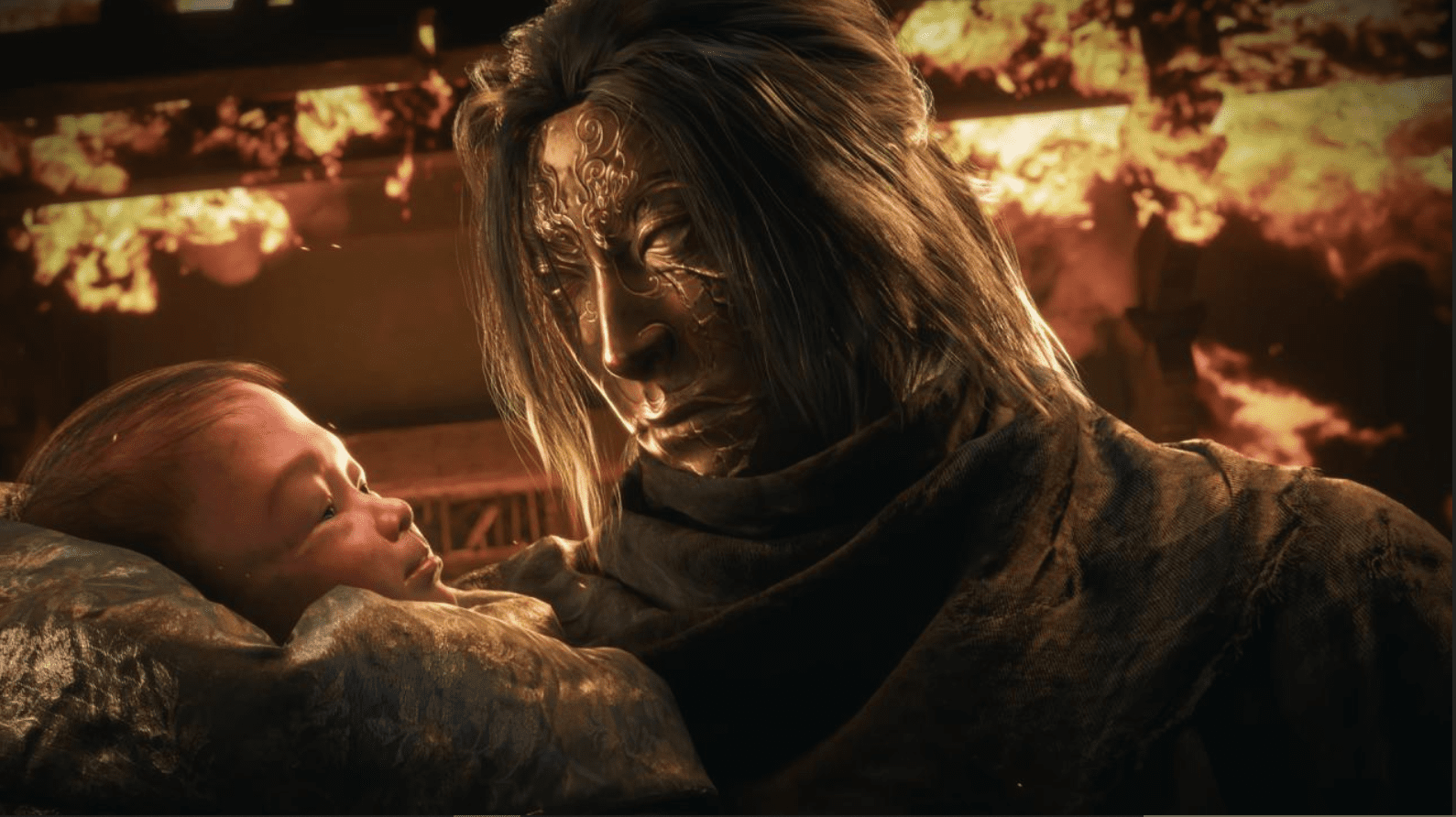
The game takes place in a dark fantasy world called the Ink World, a version of ancient China filtered through a mythological and supernatural lens. You play as Soul, an assassin who is killed at the start of the story and brought back through a deal with a mysterious organization called the Phantom Council. The central narrative follows Soul working to clear his name, uncover who set him up, and survive long enough to find answers. The studio has confirmed the main story runs approximately 30 hours. Players who pursue optional content, side objectives, and full exploration can expect 40 hours or more from a single playthrough.

Combat System

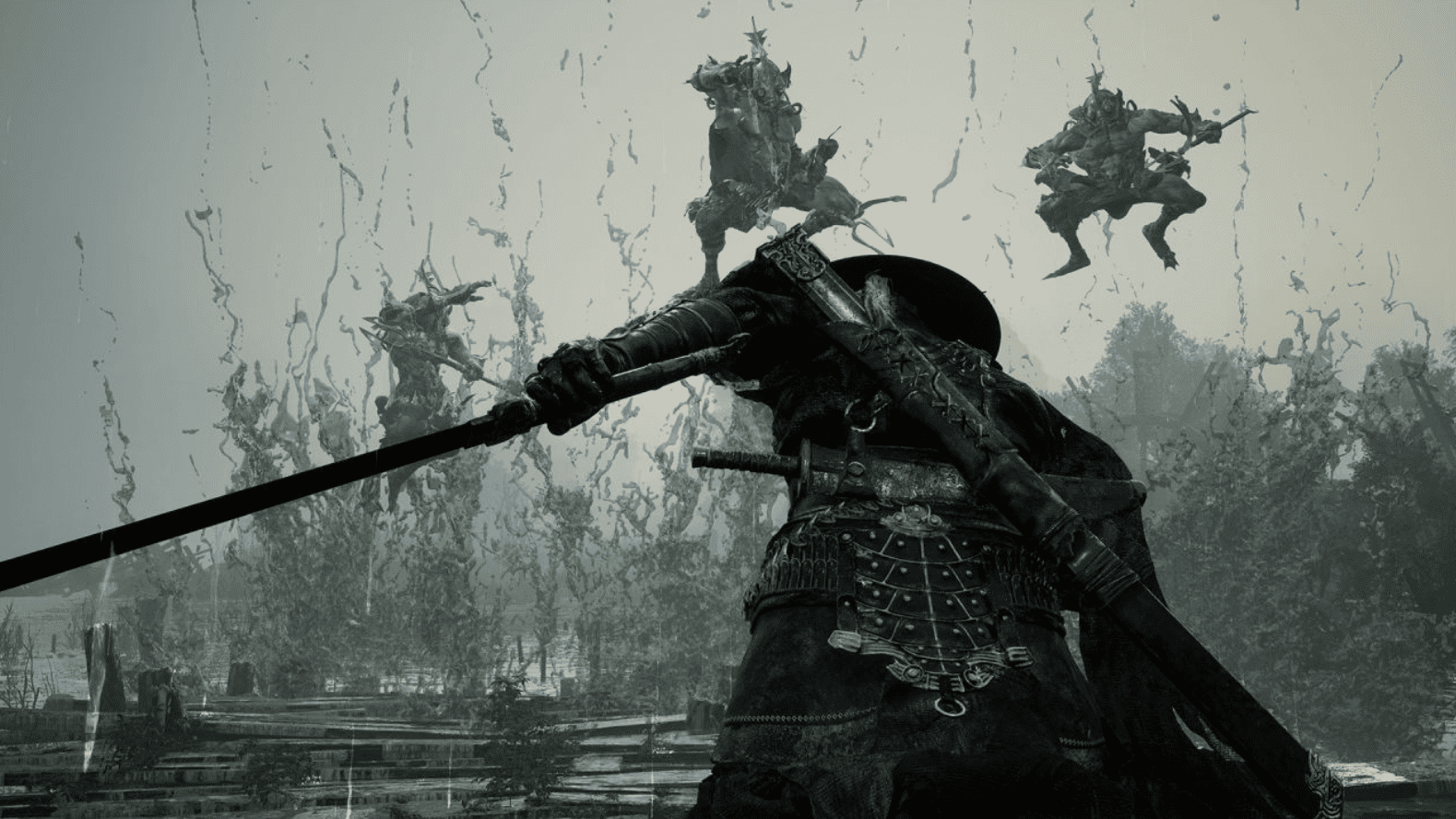
The combat in Phantom Blade Zero is the centerpiece of every public showing, and for good reason. The system is built around fast, aggressive play with a strong emphasis on timing, weapon switching, and reading enemy patterns. Soul carries multiple weapons simultaneously and can switch between them mid-combo without breaking flow. The named combat styles shown across different demos each carry their own feel. The Seven-Star Sword Formation emphasizes precision and extended combos. The Lion Dance style moves differently, with more mobility and area coverage. The Drunken Sword approach is unpredictable, which creates different engagement patterns against different enemy types. Parrying, dodging, and aggressive offense all feed into each other. The system rewards players who stay engaged rather than backing off. There is no confirmed stamina bar limiting how long you can act aggressively, which separates the feel from slower, more methodical action games.

Exploration

S-Game has confirmed exploration plays a meaningful role beyond moving between combat encounters. The Ink World contains distinct regions with their own visual identity and environmental design. The upcoming State of Play is specifically dedicated to showing how exploration works in practice, which suggests it is more developed than early showings implied.

Character Progression

A full character progression system is confirmed but has not been detailed publicly yet. Based on what the State of Play agenda includes, this is one of the areas the studio plans to fully explain before launch. The system appears to connect to the different weapon styles and how players develop Soul’s capabilities over the course of the game.

Platform Availability

Phantom Blade Zero launches on PlayStation 5 and PC on October 29. A PS5 version was confirmed from the beginning given Sony’s involvement in the game’s marketing. The PC version has been confirmed alongside it. No Xbox version has been announced as of this writing.

Full Controller Button Layout Guide for PC and Xbox Controller

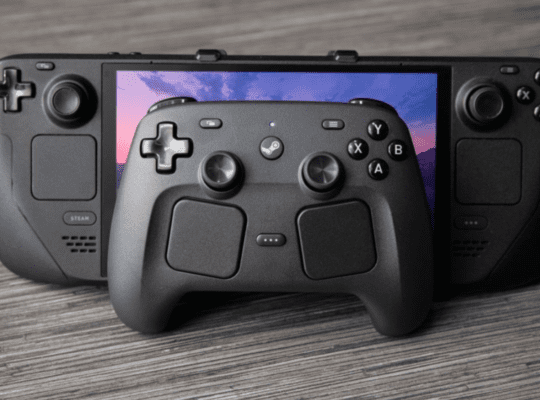
Based on confirmed gameplay footage, publicly shown UI elements, and S-Game’s demonstrated control scheme across multiple live demos, here is the most complete controller layout guide currently available for Phantom Blade Zero. Note that the official layout has not been fully published by the developer yet and some assignments may shift slightly at launch. This guide reflects what has been visible and confirmed across public showings. Phantom Blade Zero is designed around controller input. The combat system flows through fast input chains that work naturally with analog sticks and face buttons. Understanding how the layout works before you play makes the first few hours significantly less frustrating.

Xbox Controller Layout

Button / Input Action
A Dodge / Evade
B Interact / Context Action
X Light Attack
Y Heavy Attack
LB (Left Bumper) Weapon Switch Left / Skill Modifier
RB (Right Bumper) Weapon Switch Right
LT (Left Trigger) Lock-On Target / Hold to Maintain Lock
RT (Right Trigger) Special Attack / Style Technique
Left Stick Movement
Left Stick Click (L3) Sprint / Dash Toggle
Right Stick Camera Control
Right Stick Click (R3) Center Camera / Toggle Lock-On
D-Pad Up Item Use / Consumable Slot 1
D-Pad Down Item Use / Consumable Slot 2
D-Pad Left Quick Weapon Preset Switch Left
D-Pad Right Quick Weapon Preset Switch Right
Start / Menu Pause Menu
Back / View Map / Journal
LB + X Combat Style Technique A
LB + Y Combat Style Technique B
RT + X Extended Combo Finisher
RT + Y Charged Heavy Strike
LT + RB Parry Window Activation

PC Keyboard and Mouse Layout

PC players can use keyboard and mouse, but based on how the combat system works, a controller is the more natural fit. The keyboard layout below reflects the default PC input scheme as shown in PC gameplay footage. Full remapping is expected to be available.
Key / Input Action
W / A / S / D Movement
Left Shift Dodge / Evade
Left Mouse Button Light Attack
Right Mouse Button Heavy Attack
Middle Mouse Button Lock-On Toggle
Mouse Scroll Up / Down Weapon Switch
Q Special Attack / Style Technique
E Interact / Context Action
R Combat Style Modifier
F Parry
1 / 2 / 3 / 4 Item Slots / Consumables
Tab Map / Journal
Escape Pause Menu
Ctrl + Left Mouse Extended Combo Finisher
Ctrl + Right Mouse Charged Heavy Strike
Space Jump (where applicable)
C Crouch / Stealth Toggle

Combat Input Tips That Actually Matter

Understanding the button layout is one thing. Understanding how inputs chain together is what separates players who struggle from players who feel in control. Here is what you need to know before your first hour. Weapon switching in Phantom Blade Zero is not just a convenience option. Switching weapons mid-combo extends pressure on enemies and opens up follow-up attack windows that a single weapon cannot access. Train yourself to switch instinctively rather than treating it as a menu action. The parry system requires precise timing, not just pressing the right button. From footage of the Lion Dance and Seven-Star Sword formations, parries seem to open specific punish windows that vary by combat style. A successful parry with the Drunken Sword style appears to transition into a different follow-up than a parry with a standard blade, which means the reward for learning parry timing is style-specific and worth studying per weapon type. Lock-on behavior in fast action games often works against players who do not understand how to break and re-acquire targets. In Phantom Blade Zero, locking on helps with tracking single targets through their attack animations but can restrict camera freedom in multi-enemy situations. Learn when to toggle it off and fight freely rather than forcing the lock-on to do work it was not designed for. Heavy attacks from what S-Game has shown carry different properties depending on your current weapon. Some are slow but deal breaking damage to armored enemies. Some launch enemies into the air to start aerial combos. Knowing which heavy attack does what on your current weapon set matters more than button memorization. Dodge direction matters. Dodging into an attack rather than away from it triggers a different evasion animation in some action games at this level of design fidelity. Phantom Blade Zero shows similar directional dodge behavior in its footage. Early on, dodge away to play safe. As you get comfortable, test dodging into attack animations to see what risk-reward behavior the game allows.

Controller Settings to Adjust Before You Start

Most modern action games ship with controller sensitivity settings that work adequately but not optimally. Here are the adjustments worth making before your first session based on the type of game Phantom Blade Zero appears to be. Camera sensitivity on the right stick should be high enough to track fast-moving enemies without feeling sluggish but not so high that precise adjustments become difficult. Start at the default and increase by one step at a time until camera movement feels responsive without being chaotic. If the game supports trigger deadzone adjustment, reducing the deadzone on the attack triggers slightly helps input registration feel more immediate in fast combo situations. This is a small change but noticeable during long combat sessions. Vibration feedback in action games at this production level carries meaningful information about parry windows and hit confirmation. Keep vibration on at least for your first playthrough before deciding whether to disable it. S-Game’s demonstrated attention to audiovisual feedback suggests haptic and vibration cues are part of the intended feel.

How Phantom Blade Zero Fits Into the Broader Action RPG Landscape

Action RPGs have been through a significant evolution over the past several years. Games like Sekiro: Shadows Die Twice shifted expectations around combat precision. The wave of games that followed it, including many that borrowed its emphasis on parrying and reading enemy patterns, changed what players expect from action combat at a high level. Phantom Blade Zero does not look like a Soulslike despite operating in a similar cultural space. The pacing is faster. The visual presentation is closer to spectacle than punishment. The character design and world aesthetic draw from Chinese mythology and wuxia storytelling rather than European dark fantasy. That combination puts it in a category that does not have many direct comparisons yet. The closest reference point in terms of combat feel based on public footage might be games in the stylish action genre, but with RPG depth layered underneath. If you enjoyed how Devil May Cry 5 handled weapon switching and style management but wanted it inside a world with more narrative weight and visual grounding, Phantom Blade Zero appears to be aiming at something in that direction. According to IGN’s ongoing coverage of the game, multiple previews from players who attended hands-on sessions described the combat as immediately satisfying while suggesting significant depth underneath the surface. That balance, accessible early and rewarding over time, is exactly what the game needs to perform well with a broad audience.

The 30 to 40 Hour Runtime and What It Suggests About Scope

S-Game has confirmed the main story runs approximately 30 hours and that full completion with optional content brings that to around 40 hours. For a studio releasing their first major game at this scale, that runtime is ambitious and worth taking seriously. A 30 hour main story means the game has to sustain player engagement across a long arc. That requires combat variety, pacing that does not flatten into repetition, world design that rewards curiosity, and a narrative that holds together across many hours. The fact that the studio delayed specifically to improve what they already built, rather than cut scope to meet a deadline, suggests they believe the full length is justified by what is in it. For comparison, many action games in this genre run 15 to 20 hours for a focused playthrough. A 30 hour story commitment with meaningful optional content on top of that puts Phantom Blade Zero closer to the scope of established RPG franchises than a typical single-system action title. If S-Game delivers on that scope, it significantly increases the game’s long-term value and word-of-mouth potential after launch.

What the PlayStation Relationship Means for the Game

Phantom Blade Zero has appeared in PlayStation’s official State of Play presentations multiple times. Sony has used it as a marquee title in their lineup promotion. That level of platform backing typically comes with additional support beyond just marketing. It often means platform-level optimization assistance, visibility in the PlayStation Store at launch, and inclusion in Sony’s promotional materials around the release window. The game is not confirmed as a PlayStation exclusive. The PC version launches simultaneously. But the PlayStation marketing relationship has given the game significant visibility among console audiences who might not otherwise encounter a title from a studio with no prior major release history. S-Game is a relatively new studio taking on an ambitious first project at this scale. The PlayStation partnership provides credibility and reach that a debut project from an independent developer would not normally have access to. That support structure is one of the reasons the game has sustained momentum through a longer-than-typical development period.

Community Response to the Delay

The reaction from the Phantom Blade Zero community to the October 29 date has been largely positive. This is not always the case with game delays. The difference here appears to be the quality of the communication. S-Game explained specifically what they are improving. They confirmed what is changing and why those changes matter. They set a concrete new date rather than leaving players with a vague “we need more time” statement. And they backed the announcement with news of upcoming pre-orders and a dedicated showcase. That combination of transparency and forward momentum made the delay easier for the community to accept. There is also a broader shift in how many players respond to delays from studios they trust. After years of high-profile games shipping in poor condition, more players have developed genuine appreciation for studios that hold a game rather than release something unfinished. S-Game’s explicit commitment to day one completeness landed well in that context.

What to Watch For Between Now and October 29

Several specific things are coming between today and the October 29 launch that are worth paying attention to. The dedicated State of Play presentation is the most significant upcoming event. It will run 15 to 20 minutes and cover the world, combat, exploration, and character progression in depth. Most of the footage will be new. This presentation will be the clearest picture yet of what the full game looks like and how its different systems connect. Pre-orders go live alongside the new trailer. If you plan to purchase, this is when that option becomes available. Whether pre-ordering makes sense depends on your confidence in the game, but the trailer dropping alongside pre-orders suggests S-Game intends to make that decision easier by showing you more of the game first. Review coverage will likely begin in the final weeks before October 29. Given the game’s profile and the PlayStation relationship, major outlets will receive review copies. That coverage will be the final major input before launch for players still deciding whether to buy at release. The Metacritic page for Phantom Blade Zero is already set up and tracking critic scores as they come in. Keeping an eye there in the final two weeks before launch will give you a quick read on how the game is landing with press.

Final Thoughts on October 29 and What It Means

Fifty days is not a long delay in game development terms. But the specificity of what S-Game communicated, and the fact that they named concrete areas of improvement rather than speaking in generalizations, makes this feel like a meaningful window rather than a token extension. The game was already generating genuine excitement before the delay. The wishlist numbers, the community engagement after every new showing, and the consistently positive reaction to playable demos all point to a title that has real momentum heading into launch. That momentum does not disappear over fifty days. If anything, the dedicated State of Play and pre-order launch give the community something to focus on between now and October 29. I have been looking forward to this one for a long time. The combat system alone is enough to keep me interested. The visual direction, the world design, and the scale of what S-Game appears to have built around that combat system make it one of the releases I am most genuinely curious to sit down with this year. October 29 feels close enough to feel real now. That is a good place to be.

administrator
Passionate Blogger. Tech news and Gaming industry analyst. About me: https://about.me/steamturn

Leave a Reply

Your email address will not be published. Required fields are marked *

Enable Notifications OK No thanks