What Is Final Fantasy Resonance and Why Players Are Already Talking About It
Square Enix rarely shows off a Final Fantasy project this early without a reason, and Final Fantasy Resonance is already proving that point. After a recent hands on viewing event where attendees got close to three hours with the game, the internet lit up with theories, comparisons, and a fair amount of nostalgia. I watched the footage twice before writing this, partly because I wanted to take notes and partly because I just enjoyed it that much.
If you grew up with the Super Nintendo era of Final Fantasy, or if you spent hundreds of hours in Final Fantasy VI, IX, or X, this preview is going to feel familiar in the best way. But Final Fantasy Resonance is not simply a greatest hits package. It borrows pieces from across the series and from a mobile game many western fans never played, then stitches them into something that looks like its own thing. That balance between familiar and new is really the heart of this article, and I will walk through every major system that was shown, plus add a full controller layout guide for PC and Xbox players who want to get a head start on muscle memory before launch.
Before we go further, a quick note on sourcing. Square Enix has not published a full press release covering every detail discussed here, so some of this comes from hands on impressions shared after the preview event. I will point to official pages where they exist, including the Square Enix official website and the Final Fantasy series hub, so you can keep an eye on confirmed updates as they roll out.
The Bravely Default Versus Connection: New Game, Old Roots
One of the most interesting things to come out of the preview was confirmation that Final Fantasy Resonance pulls its story and world from Bravely Default Versus, a mobile title that many players outside Japan never got to touch. That game had a smaller audience, but it built a surprisingly deep world, and Square Enix clearly saw potential in expanding it for a full console and PC release.
Here is the part that matters most for fans: the developers were very direct that Final Fantasy Resonance is not a remake, not a remaster, and not a straight retelling of Bravely Default Versus. Instead, they took the bones of that story, the setting, some character concepts, and built something new around them. Think of it less like a port and more like a spin off that grew into its own main course.
This approach actually makes sense from a few angles. First, it lets the team reuse strong worldbuilding without being locked into a mobile game’s pacing or monetization structure. Second, it gives long time Bravely Default fans something to recognize without forcing new players to play a game most of them never heard of. Third, and this is purely my opinion, it gives Square Enix room to bring in elements from the wider Final Fantasy universe, which leads directly into the Vision system I will cover later in this guide.
If you want to understand the semantic thread here, think of three related search topics that all point to the same game: Bravely Default Versus connection, Final Fantasy Resonance origin story, and Square Enix new RPG 2026. These are different ways players are searching for the same core information, and the answer to all three is the same. The game is a new project built from an existing foundation, not a copy of it.
Turn Based Combat Returns: How the Stagger System Changes the Fights
If there is one piece of news that made longtime fans cheer, it is this. Final Fantasy Resonance does not use the action heavy, real time combat that has defined recent mainline entries. Instead, the game goes back to turn based battles, complete with random encounters while exploring the world.
I want to be honest here. When Final Fantasy moved toward action combat starting around Final Fantasy XV and continuing through the Final Fantasy VII Remake project, I enjoyed it, but I also missed the strategic pause that turn based fighting gives you. There is something satisfying about stopping mid battle, looking at your party’s HP and MP, checking enemy weaknesses, and choosing the perfect ability. Final Fantasy Resonance seems to be aiming directly at players who felt that same gap.
Random encounters are confirmed to be back as well. For players who only grew up with modern open world RPGs, random encounters might sound old fashioned, almost annoying. But for those of us who remember walking across the world map in Final Fantasy IV or VI, random battles were part of the rhythm of the game. They gave you a reason to grind a little before a boss, they kept your party leveled, and honestly, sometimes they were a good excuse to take a breather between story beats.
The Stagger Mechanic Explained
The biggest combat addition shown in the preview is a stagger system. During turn based fights, players can build up pressure on enemies, and once a target is staggered, it becomes far more vulnerable to follow up attacks. The moment I saw this in the footage, my mind went straight to Final Fantasy XIII.
If you played Final Fantasy XIII, you will remember the chain gauge. You would hit enemies with specific attacks to fill up a meter, and once that meter reached a certain point, the enemy entered a staggered state where damage multipliers kicked in and you could unleash your strongest combos. Final Fantasy Resonance appears to be using a similar idea, but built around a more traditional turn based structure rather than the semi real time Active Time Battle system from XIII.
What this means in practice is that battles are not just about picking attack every turn. You need to think about which abilities build stagger fastest, which characters are best suited to capitalize once an enemy is staggered, and how to manage your turns so the stagger window does not go to waste. For players who enjoy planning ahead, this is exactly the kind of system that turns a basic random encounter into a small puzzle.
Why This Combat Style Matters for Both Old and New Fans
The development team has talked about wanting to find the right balance between old and new ideas, and combat is where that balance is most visible. You get the classic structure: random encounters, menu based turn order, strategic positioning of your party. Then you get the modern layer on top: the stagger system, which adds tactical depth that a lot of older turn based RPGs did not have.
This combination could genuinely appeal to two very different groups. Longtime fans get the comfort of menus, turns, and exploration they grew up with. Newer players, especially those who came into the series through Final Fantasy VII Remake or Final Fantasy XVI, get a combat layer that feels active and rewarding even though it is technically turn based. I think this is one of the smartest design choices shown so far, because it does not force either group to compromise much.
HD 2D World Design: Exploring the Overworld Map and Continents
Visually, Final Fantasy Resonance leans heavily into the HD 2D style that Square Enix has used in other recent projects. If you are not familiar with the term, HD 2D combines detailed pixel art characters and environments with modern lighting, depth effects, and camera angles. The result looks like a classic sprite based RPG that has been given a current generation visual upgrade.
The overworld map shown in the preview lets players travel between continents, separated by large bodies of water. This immediately reminded me of the world maps from the sixteen bit era, where you would zoom out to a small character sprite walking across a giant map, ocean tiles stretching between landmasses, and tiny towns dotting the continents. That sense of scale is something a lot of modern RPGs lost when they moved to fully realized 3D open worlds, where everything feels close together because the camera is always zoomed in on your character.
Bringing that scale back matters more than it might sound. Part of the charm of older Final Fantasy games was the feeling of a genuinely large world, even if the actual amount of content was smaller than today’s standards. You felt like an explorer. Final Fantasy Resonance seems to be chasing that same feeling, using the overworld map as a visual representation of how big the world actually is, rather than hiding that scale behind loading screens and seamless open zones.
Semantic Cluster: HD 2D Games, Pixel Art RPGs, and Retro Style Exploration
If you are searching for topics like HD 2D RPG 2026, pixel art Final Fantasy games, or retro style overworld map games, Final Fantasy Resonance fits squarely into that group. It joins other HD 2D titles in offering a visual identity that appeals to players who grew up on sixteen bit RPGs but want modern lighting, resolution, and animation quality. From what was shown, the art direction leans warm and detailed, with environments that look like dioramas you could almost reach into.
Airships Are Back: Travel, Exploration, and Series Tradition
No Final Fantasy game feels complete without an airship, and the preview confirmed one is present in Final Fantasy Resonance. Airships have been a staple of the series since the earliest entries, used as a way to connect distant parts of the world map and often as a symbol of progress within the story itself. Getting your first airship in a Final Fantasy game has always felt like a turning point, both narratively and in terms of gameplay freedom.
The airship shown in the teaser carries that retro style design language, fitting with the overworld map and HD 2D visuals. I cannot say yet how much control players will have over airship travel, whether it is a simple point and click system on the world map or something with a bit more interactivity, but its presence alone tells me the developers understand what longtime fans expect from this kind of game.
From a gameplay perspective, airships usually unlock a few things: faster travel between continents, access to previously unreachable areas, and sometimes hidden locations that reward exploration. If Final Fantasy Resonance follows that tradition, expect the airship to open up the back half of the game in a meaningful way, possibly tied to side content and additional Visions.
The Vision System Explained: Cloud, Squall, Zidane, and Beyond
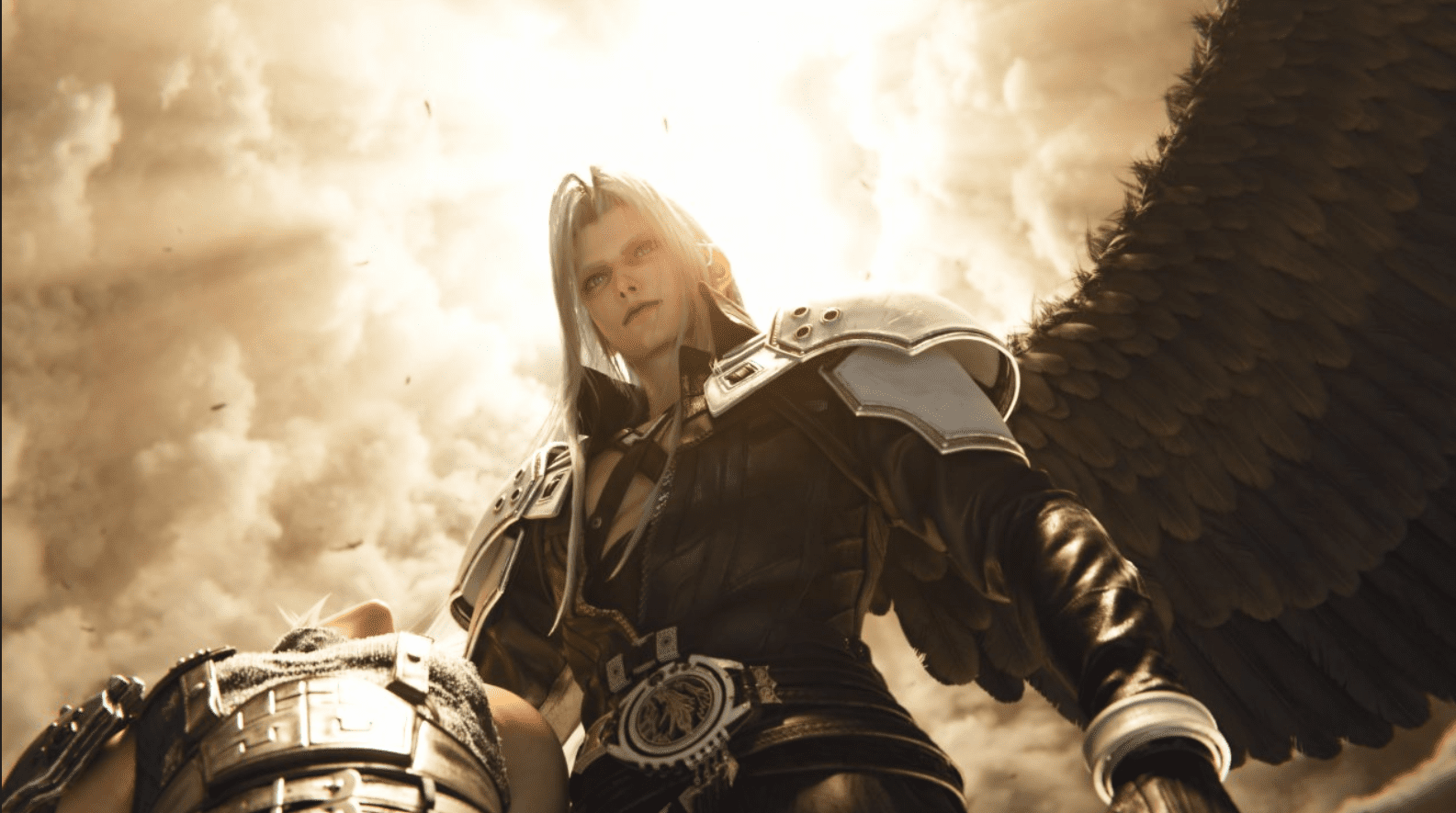
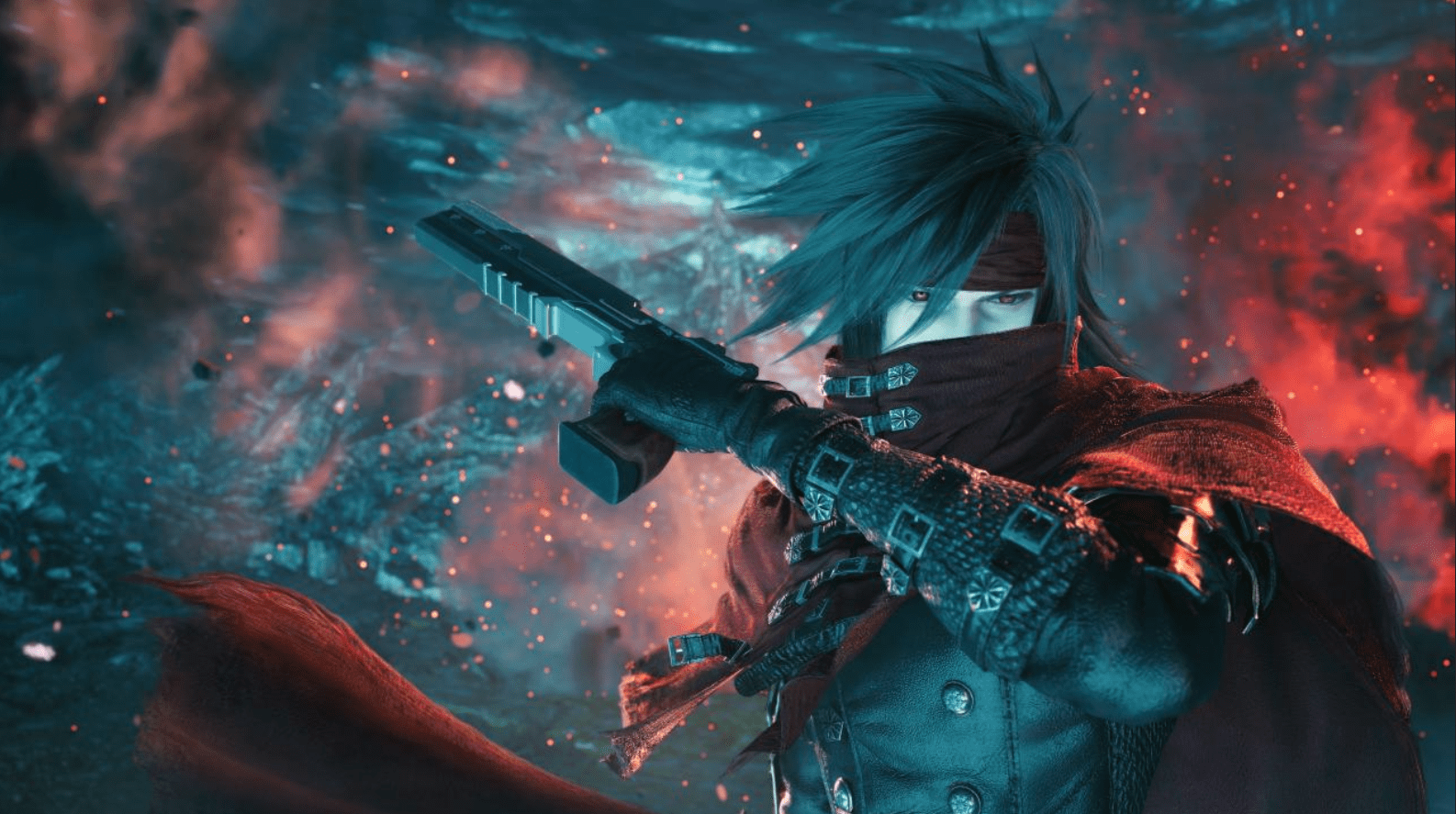
This is the section I think most fans will care about the most, and honestly, it is the part that got me the most excited while watching the footage. Final Fantasy Resonance includes appearances from famous heroes across the series, but they are not shown as standard party members in their usual outfits. Instead, they appear as distinct beings the game calls Visions.
The preview specifically mentioned Zidane from Final Fantasy IX, Cloud from Final Fantasy VII, and Squall from Final Fantasy VIII. Each one reportedly brings their own unique style and abilities when they appear. Rather than just being cameo characters standing in the background of a cutscene, Visions sound like they will be tied into actual gameplay systems.
How Players Might Unlock Visions
Based on what was discussed, players may need to revisit or relive iconic moments from past Final Fantasy games in order to access these characters. I find this idea genuinely clever. Instead of just handing players a roster of cameo characters from the start, the game seems to be turning the act of unlocking them into its own gameplay loop, tied to memory, nostalgia, and exploration.
Picture this: you are exploring a new area in Final Fantasy Resonance, and you stumble into a sequence that recreates a famous scene from Final Fantasy VII, rendered in the new HD 2D art style instead of the original’s visuals. Completing or experiencing that sequence then unlocks Cloud as a Vision you can use going forward. That contrast between old scenes and the new art style is something the preview specifically highlighted, and I think it could be one of the most talked about features once the game releases.
Why the Vision System Could Drive Exploration
Early reactions suggest that finding and collecting additional Visions could become a major driver of exploration in Final Fantasy Resonance. This is not a new idea in RPGs broadly speaking. Plenty of popular role playing games use collectible companions, alternate versions of characters, or hidden recruitable allies as a reason for players to explore every corner of the map. What makes this version interesting is the franchise context. These are not generic collectibles. They are characters with decades of history and emotional weight attached to them for longtime players.
For someone like me, who has a soft spot for Squall’s quiet, somewhat awkward personality in Final Fantasy VIII, the idea of unlocking him as a Vision through some kind of in game callback is more exciting than almost anything else shown in the preview. It is the kind of fan service that actually requires you to play the game to experience it, rather than just being shown in a cutscene.
Semantic Cluster: Final Fantasy Crossover Characters and Legacy Hero Systems
For players searching topics like Final Fantasy Resonance characters list, Cloud Squall Zidane Resonance, or Final Fantasy crossover RPG 2026, the Vision system is the answer. It functions as a legacy hero system, bringing recognizable faces from across the franchise’s history into a single new adventure, tied together by gameplay rather than just nostalgia for its own sake.
How Long Is Final Fantasy Resonance: Story Length, Side Quests, and Completion Time
Length is always one of the first questions players ask about a new RPG, and the developers gave a rough answer during the preview. The main story is expected to take somewhere between 30 and 40 hours to complete. For players who stick mostly to the main path, that puts Final Fantasy Resonance in a comfortable middle ground, long enough to feel like a full RPG experience, but not so long that it becomes a second job.
For players who like to explore everything, that number goes up significantly. Side missions, optional objectives, and additional tasks are confirmed to exist, and based on how the Vision system seems to work, I would expect a decent chunk of side content to be tied directly to unlocking those legacy characters. If that is the case, players aiming for full completion could easily be looking at 60 hours or more, depending on how much content the final version includes.
From my own experience with similar RPGs, the 30 to 40 hour main story estimate usually grows once side content, optional bosses, and exploration are factored in. Games like this tend to undersell their actual length slightly, because developers usually base these numbers on a relatively efficient playthrough, not the kind of completionist run a lot of fans end up doing once they fall in love with a world.
Platforms and Release: Where You Can Play Final Fantasy Resonance
One of the more reassuring pieces of news from the preview is the platform lineup. Final Fantasy Resonance is set to release on Xbox Series X and Series S, PlayStation 5, Nintendo Switch, Nintendo Switch 2, and PC. That is one of the broadest day one platform spreads a mainline adjacent Final Fantasy title has had in years.
This matters for a few reasons. First, it means players are not locked into a single ecosystem to experience the game, which has been a sticking point for some Final Fantasy releases in the past. Second, the inclusion of both the current Nintendo Switch and the newer Switch 2 suggests the developers are thinking carefully about performance and accessibility across a wide range of hardware. Third, and this is the part most relevant to the next section of this guide, having both Xbox and PC as confirmed platforms means a huge number of players will be using a controller, whether that is an Xbox controller plugged into a PC or a console pad.
For official platform and account information, players on Xbox can check the Xbox official site, while PlayStation owners can keep an eye on the PlayStation official website for store listings closer to launch. Nintendo platform details are typically posted on the Nintendo official website as well.
Full Controller Button Layout Guide for PC and Xbox
Since Final Fantasy Resonance is a turn based RPG built around menus, exploration, and the new stagger combat system, controller comfort is going to matter a lot. Whether you are playing on an actual Xbox console or using an Xbox controller on PC, getting familiar with a typical Final Fantasy style layout now will save you time once the game is in your hands. Below is a detailed breakdown based on standard conventions used across recent turn based Final Fantasy and HD 2D style RPGs, along with notes on how to customize things on both platforms.
Keep in mind that exact button assignments for Final Fantasy Resonance have not been fully confirmed in detail, so treat this as a practical, real world layout you can expect to be close to, and one you can remap if the final game lets you, which most modern Square Enix titles do.
Xbox Controller Layout for Turn Based RPGs
On Xbox, the standard controller has a clear, comfortable layout for menu heavy RPGs. Here is how the buttons typically map in games like this:
- A button: Confirm selection, advance dialogue, interact with NPCs and objects, confirm a target in battle.
- B button: Cancel or back out of a menu, decline a prompt, sometimes used to run or sprint while exploring.
- X button: Open the main menu, often used to access items, equipment, and party status screens.
- Y button: Frequently mapped to a quick action, such as opening a map, switching between active party members in menus, or accessing a special ability shortcut.
- Left Bumper (LB): Cycle backward through enemy targets or party member tabs in menus.
- Right Bumper (RB): Cycle forward through enemy targets, switch tabs forward in inventory or status screens.
- Left Trigger (LT): Often used to view enemy information or weaknesses during battle, sometimes a modifier for quick actions.
- Right Trigger (RT): Frequently used for a secondary confirm, such as confirming a full party action or skipping certain animations.
- Left Stick: Move your character on the field map and within towns and dungeons.
- Right Stick: Adjust the camera angle during exploration, useful for HD 2D environments with depth effects.
- D Pad: Navigate menus, select battle commands, and in some games, used for quick item or ability shortcuts.
- Start or Menu button: Open the pause menu, save game, and access system options.
- View or Select button: Often toggles minimaps, quest logs, or additional information overlays.
Recommended Battle Menu Navigation on Xbox
During turn based fights, expect something close to this flow. The D pad or left stick highlights battle commands like Attack, Magic, Item, and Defend. The A button confirms a chosen command. If a spell or ability needs a target, the right stick or D pad lets you choose between enemies, while the bumpers cycle quickly between multiple enemies on screen, which becomes especially important once the stagger system comes into play. Staggered enemies are often highlighted visually, so keeping an eye on the screen while cycling targets with LB and RB should help you land finishing blows efficiently.
PC Controller and Keyboard Layout
On PC, players generally have two options: plugging in an Xbox style controller, which usually mirrors the layout above almost exactly thanks to native Xbox controller support in Windows, or using a keyboard and mouse setup. Here is a practical keyboard layout based on common conventions for turn based RPGs on PC:
- Arrow keys or WASD: Move your character on the field map.
- Enter or Spacebar: Confirm selections, advance dialogue, interact with objects and NPCs.
- Escape or Backspace: Cancel actions, back out of menus.
- Tab: Open the main menu, access inventory and party status.
- Q and E: Cycle between targets in battle, similar to LB and RB on a controller.
- M: Open the world map or minimap.
- Shift: Hold to run or sprint while exploring towns and dungeons.
- F1 through F4 or number keys: Quick access to commonly used items or abilities, if the game supports hotkeys.
- Mouse: Click to select menu options, navigate inventory screens, and in some HD 2D games, adjust camera angle by holding and dragging.
Customizing Your Controller Layout
Most modern Square Enix RPGs allow some level of button remapping, and Final Fantasy Resonance is likely to follow that trend given the broad platform release. On Xbox consoles, players can remap controller buttons at a system level using the Xbox Accessibility settings, which is useful if a specific button placement causes discomfort during long play sessions. Details on this feature are available on the official Xbox support site.
On PC, if you are using an Xbox controller, Windows allows remapping through the Xbox Accessories app, and many PC games also include in game remapping options separate from the system level settings. If you are using a different controller brand, software like Steam’s controller configuration tools can map any controller’s inputs to match an Xbox style layout, which is especially helpful if Final Fantasy Resonance launches on Steam, since Steam input settings can be adjusted per game through the Steam platform.
Tips for Comfortable Long Play Sessions
Turn based RPGs like Final Fantasy Resonance often involve long sessions, especially once side content and Vision hunting come into play. A few practical tips based on my own experience with similar games: first, if your controller allows it, map frequently used menu actions like item use or status checks to the bumpers or triggers rather than buttons that require you to lift your thumb off the stick. Second, lower your stick sensitivity slightly for camera control in HD 2D environments, since these games often have a slower, more deliberate camera pace than action games. Third, if you are playing on PC with a controller, test battery life or cable connection before a long session, since menu heavy games tend to keep controllers active even during seemingly idle moments like reading dialogue.
Tips for New Players and Returning Fans
If Final Fantasy Resonance ends up being your first turn based Final Fantasy game, do not worry. The genre has a learning curve, but it is a gentle one once you understand the basics. Pay attention to elemental weaknesses early on, since most turn based RPGs reward players who exploit an enemy’s specific vulnerability rather than just spamming the strongest attack available. With the stagger system in play, this becomes even more important, since certain abilities are likely designed specifically to build stagger faster against certain enemy types.
For returning fans, my advice is to take your time with the Vision sequences if the system works the way the preview suggests. These moments sound like they are designed to be emotional touchpoints, recreations of scenes that mattered to players for years. Rushing through them to get back to the main map might mean missing some of the most carefully crafted content in the entire game.
Another tip, and this applies to almost any RPG with random encounters: do not avoid them entirely, especially early on. Random battles are often the easiest way to keep your party leveled without grinding specifically, and in a game built around exploration and a large overworld map, you will naturally run into plenty of them just by playing normally.
How Final Fantasy Resonance Compares to Other Final Fantasy Games
It is worth putting Final Fantasy Resonance in context with the rest of the series, since a lot of players are going to be deciding whether this game is for them based on how it compares to titles they already know.
If you loved the turn based structure and world map exploration of Final Fantasy VI, IV, or IX, Final Fantasy Resonance is aiming directly at you. The combination of an overworld map, airship travel, and traditional battle menus is a deliberate callback to that era of the series.
If your favorite entry is Final Fantasy XIII, the stagger system here should feel familiar, though built around a different overall combat structure. The core idea of building pressure on enemies before unleashing big damage carries over conceptually, even if the execution is turn based rather than the semi active system XIII used.
If you came into the series through Final Fantasy VII Remake, Final Fantasy XV, or Final Fantasy XVI, the combat here is going to feel like a step back in terms of pacing, since it is turn based rather than action focused. However, the Vision system, which brings characters like Cloud into this new game, could be a strong hook even for players who are more used to modern, action heavy Final Fantasy combat. It is a chance to see a familiar character in a completely different gameplay context.
My Honest Thoughts After Watching the Preview
I will be upfront. I went into this preview expecting another HD 2D nostalgia project, the kind of game that leans entirely on retro visuals and turn based combat without adding much new. What stood out to me instead was how deliberate the mix felt. The stagger system is not just bolted on for the sake of having a gimmick. It actually changes how you approach turn based fights, similar to how the chain gauge in Final Fantasy XIII changed how players thought about damage output.
The Vision system is the part I keep coming back to, though. Tying legacy characters to in game sequences that recreate moments from their original games, rendered in a new art style, is a genuinely creative way to handle fan service. It respects the original material without simply copying it, and it gives players a reason to explore rather than just unlocking characters through a menu or a preorder bonus.
If I had one concern after watching the footage, it would be pacing. A 30 to 40 hour main story with potentially significant side content tied to character unlocks is ambitious. The game needs to balance giving players enough Vision content to feel rewarding without making the main story feel thin by comparison, or making side content feel mandatory for players who just want to finish the main quest. Based on what was shown, though, the team seems aware of this balance, which gives me a reasonable amount of confidence heading into a fuller reveal.
Frequently Asked Questions About Final Fantasy Resonance
Is Final Fantasy Resonance a remake of Bravely Default Versus?
No. While the story and lore are based on the mobile game Bravely Default Versus, the developers have confirmed Final Fantasy Resonance is a new project, not a remake, remaster, or direct retelling.
Does Final Fantasy Resonance have turn based combat?
Yes. The game uses turn based battles along with random encounters while exploring the world, a return to the structure used in classic Final Fantasy titles.
What is the stagger system in Final Fantasy Resonance?
The stagger system lets players build up pressure on enemies during turn based fights. Once an enemy is staggered, it becomes more vulnerable, allowing for stronger follow up attacks, a concept similar to the chain gauge from Final Fantasy XIII.
Which characters appear as Visions in Final Fantasy Resonance?
The preview confirmed Zidane, Cloud, and Squall as characters appearing in the Vision system, each bringing unique abilities and style. More characters are likely to be revealed closer to launch.
How long is Final Fantasy Resonance?
The developers estimate the main story will take 30 to 40 hours to complete. Players who explore side missions, optional objectives, and Vision related content should expect a longer overall playtime.
Which platforms will Final Fantasy Resonance release on?
Final Fantasy Resonance is set to release on Xbox Series X and Series S, PlayStation 5, Nintendo Switch, Nintendo Switch 2, and PC.
Can I use an Xbox controller to play Final Fantasy Resonance on PC?
Yes. PC versions of modern Final Fantasy titles typically support Xbox controllers natively through Windows, with layouts similar to the console version, and many include in game remapping options.
Final Fantasy Resonance feels like a love letter to the series’ roots, but one that understands a love letter still needs something new to say. Turn based combat, an overworld map with airship travel, and random encounters bring back the structure that defined the series for years. The stagger system and the Vision system add layers that feel modern without feeling forced. With a broad platform release and a story length that sits in a comfortable middle ground, this is shaping up to be one of the more interesting RPG releases on the horizon. I will be keeping an eye on official channels for the next update, and if you are planning to play on Xbox or PC, getting comfortable with a standard controller layout now is not a bad way to spend a few minutes before the game arrives.