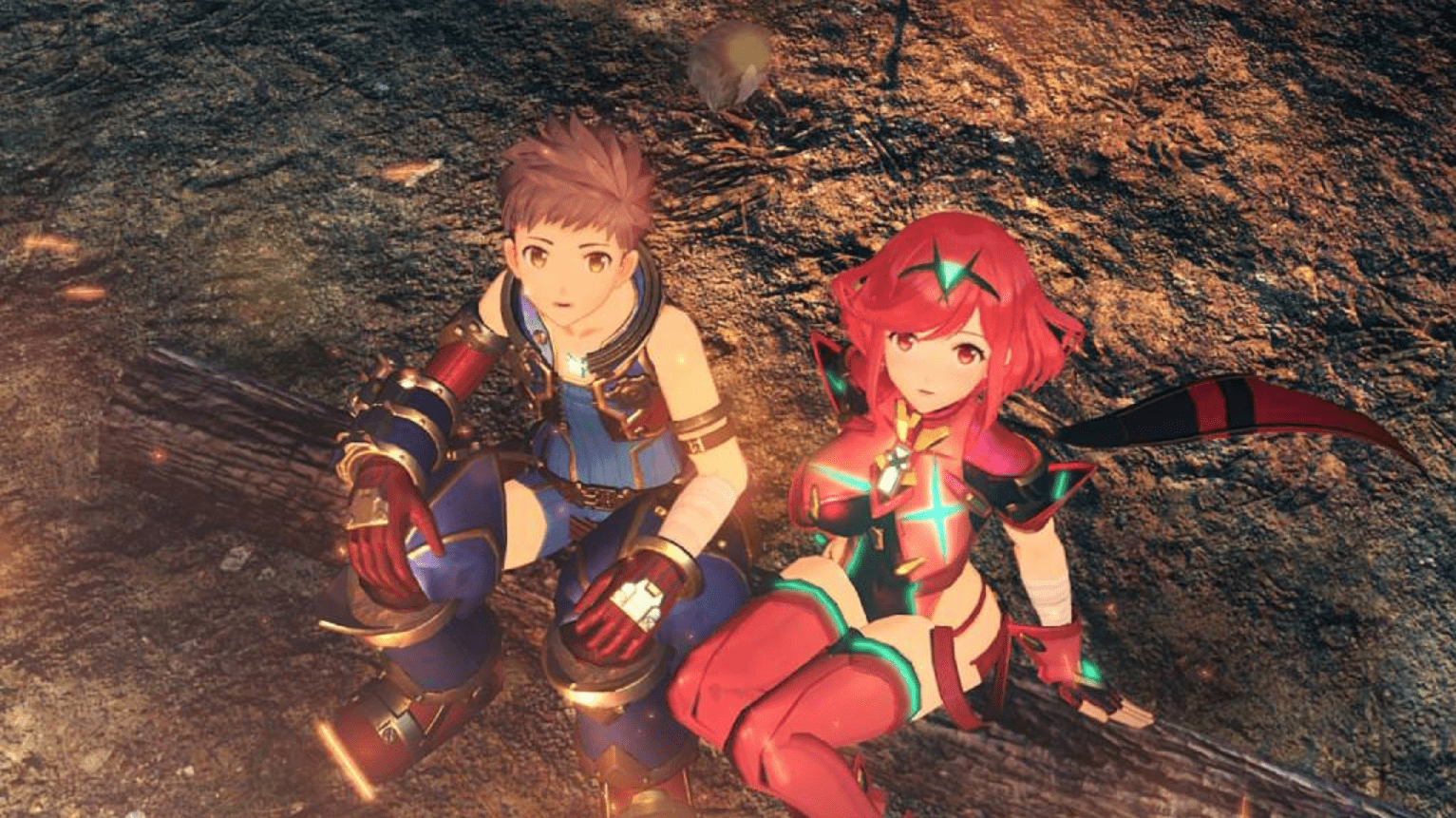
I’ve been following the Xeno series since the original Xenoblade Chronicles hit the Wii, and honestly, I don’t remember the last time a single piece of news got the fanbase talking this much. Xenoblade Genesis hasn’t even been formally unveiled in detail, yet the small drops of information that have leaked out are enough to fill an entire weekend of forum threads and reaction videos. Nintendo and Monolith Soft are staying quiet for now, but what’s already surfaced about the composers, the director, and the visual direction is painting a picture of something that could be one of the most ambitious projects in the studio’s history.
This article pulls together everything currently known or strongly rumored about Xenoblade Genesis, breaks down why each detail matters, and looks at how it fits into the bigger Xeno story that started decades ago. If you’re a longtime fan of Xenoblade Chronicles, Xenoblade Chronicles 2, or Xenoblade Chronicles 3, or even if you’re coming in fresh because of the buzz, there’s a lot here worth knowing.
Is Xenoblade Genesis a Reboot or a New Chapter?
One of the first questions everyone asks is whether Xenoblade Genesis is a soft reboot of the franchise. Based on what’s circulating, the answer seems to be no. It’s not throwing out the lore that’s been built since the first game. Instead, it looks like Monolith Soft is using the name Genesis to mark a fresh starting point while still nodding to ideas, themes, and maybe even creatures from the wider Xeno universe, including Xenogears.
Choosing “Genesis” over something like “Xenoblade Chronicles 4” feels deliberate. Genesis implies origin, a beginning, something foundational. For a series that’s always loved playing with concepts like creation, evolution, and cycles of rebirth, that word choice lines up perfectly with the themes Xenoblade has explored from the start.
Yasunori Mitsuda Returns: What This Means for the Soundtrack
If there’s one detail that’s gotten longtime RPG fans the most excited, it’s the music. Sources close to the project have pointed to composer Yasunori Mitsuda being involved with Xenoblade Genesis. For anyone who’s played Chrono Trigger, Chrono Cross, or any of the previous Xenoblade titles, that name alone raises expectations through the roof.
Mitsuda has a reputation for blending orchestral scores with folk instrumentation and emotional themes that stick with players long after the credits roll. His work has shaped some of the most memorable moments in the Xenoblade series, and music has consistently been one of the franchise’s strongest pillars.
He’s reportedly not working alone either. ACE, the composer group that has contributed to multiple Xenoblade soundtracks, is said to be returning as well, with members like Manami Kiyota and Mariam Abounnasr listed among those involved. Both have prior credits on earlier entries, so their continued presence suggests a consistent musical identity rather than a complete overhaul.
Anúna’s Return and the Choral Sound Xenoblade Fans Know
Another detail that’s been confirmed through community sources is the return of Anúna, the Irish vocal ensemble whose choral arrangements have become almost a signature sound for Xenoblade. If you’ve ever stood on top of a massive Bionis landmark or wandered through the open fields of Mira while that choir swells in the background, you know exactly what kind of emotional weight this adds.
Having Anúna back alongside Mitsuda and the ACE team suggests Monolith Soft isn’t taking any chances with the audio side of things. For a series where the soundtrack often gets just as much praise as the gameplay and story, this is a strong signal that the studio understands what fans value.
Why the Timing of This News Matters
The timing here isn’t random either. Many fans see Xenoblade Genesis as the natural next step for the franchise, especially after Nintendo brought several older Xenoblade titles back into the spotlight through remasters and definitive editions on the Switch. Those re-releases have apparently been selling well on digital storefronts, which makes sense. New players who got curious because of Genesis news are going back to experience the earlier games, and longtime fans are replaying favorites to get back into the right headspace.
This kind of renewed interest in the back catalog is exactly the sort of momentum a publisher wants heading into a major new release. It builds a wider audience and gives new players context before the next big chapter arrives.
Tetsuya Takahashi’s Role and Why It’s a Big Deal
Perhaps the single most reassuring piece of information for longtime fans is that Tetsuya Takahashi is reportedly serving as Executive Director on Xenoblade Genesis. Takahashi isn’t just a director, he’s the creative force behind the entire Xeno franchise going back to Xenogears on the original PlayStation, and he’s been the guiding hand behind Xenoblade Chronicles, Xenoblade Chronicles 2, Xenoblade Chronicles 3, and Xenoblade Chronicles X.
His fingerprints are all over what makes these games feel distinct: sprawling worlds you can climb and explore in every direction, philosophical questions woven into the main story, and casts of characters whose arcs often tie into much bigger cosmic or existential ideas. Monolith Soft’s approach to game development helps explain why the studio keeps producing RPGs of this scale even while juggling other projects.
How Monolith Soft Balances Multiple Projects
Something a lot of casual fans don’t realize is that Monolith Soft is a fairly large studio with employees split across several internal teams. Some of those teams assist Nintendo directly on massive first party projects, including work tied to The Legend of Zelda, Splatoon, and Animal Crossing. Meanwhile, Takahashi’s core team has remained focused on the Xeno series itself.
This division of labor is part of why Monolith Soft can keep churning out enormous, story-heavy RPGs without falling behind. The studio has built a reputation as one of Nintendo’s most valuable development partners precisely because it specializes in something Nintendo doesn’t usually make in house: dense, narrative-driven RPGs that complement the more family-friendly tone of Mario, Zelda, and Super Smash Bros.
The Xenogears Connection: What Fans Have Spotted
This is where things get really interesting for longtime series followers. Xenogears, released back in 1998, is often considered the spiritual ancestor of the entire Xenoblade series. While Square Enix owns the Xenogears name, Takahashi has never been shy about reusing themes, symbols, and ideas across his projects, and fans believe Xenoblade Genesis may be tipping its hat to that legacy.
The biggest piece of evidence so far is a wolf like creature that appears briefly in early footage. Almost immediately, fans pointed out how closely it resembles certain monster designs from Xenogears. Nobody is claiming this is officially confirmed, but the resemblance is close enough that it’s sparked a wave of theories. Some think the creature could be a distant evolutionary relative of Xenogears monsters within the game’s lore, while others see it as more of a visual homage, a quiet wink to longtime fans rather than a literal story connection.
Background Details That Have Fans Talking
Beyond the creature, players have been combing through trailer screenshots frame by frame, and some have noticed background elements that resemble locations and objects from Xenogears. One particular shot showing a crashed spacecraft has drawn comparisons to the Eldridge, a vessel that plays a major role in Xenogears’ story.
Again, these are theories, not confirmations. But given Takahashi’s history of layering subtle references across his games, even without owning the rights to reuse Xenogears characters or names directly, it wouldn’t be out of character for him to plant thematic seeds that reward fans who know the older lore. This kind of layered storytelling has always been part of what makes the Xeno series rewarding for dedicated players while still being approachable for newcomers.
The Visual Style Shift: Why Genesis Looks Different
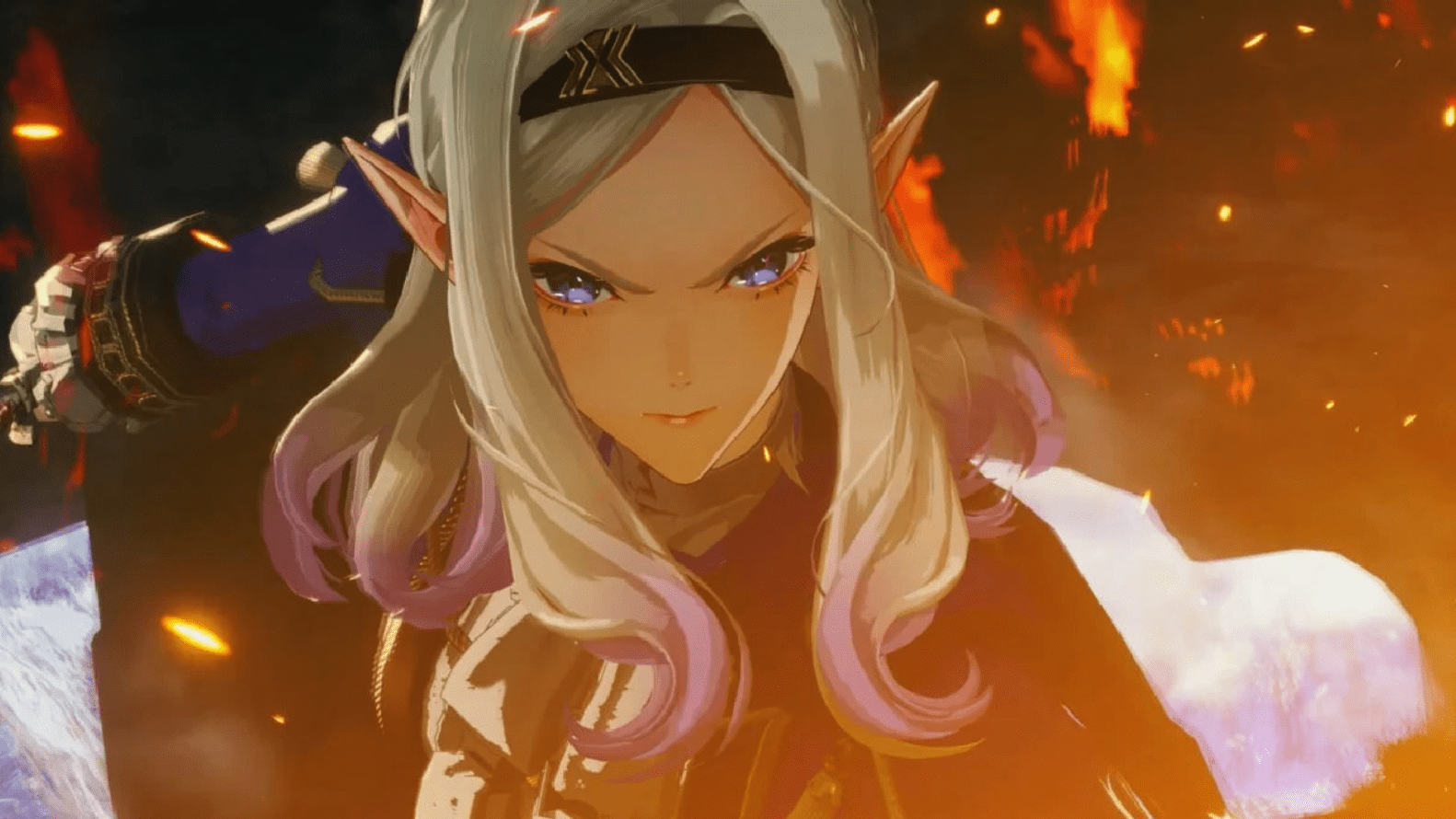
Some fans have raised eyebrows over the fact that Xenoblade Genesis doesn’t look exactly like Xenoblade Chronicles 3 or its predecessors. The art direction appears noticeably different, and there’s been some back and forth online about whether that’s a good thing.
Personally, I think this ties directly back to the naming choice. If this game is meant to function as a Genesis point, a place where new players can jump in without needing to have played four or five previous entries, then a visual refresh makes a lot of sense. It signals a clean starting point. At the same time, it doesn’t erase what came before. Longtime fans will likely still recognize familiar design philosophies, just presented through a new lens.
How Nintendo Switch 2 Hardware Changes the Equation
Hardware has always played a huge role in how ambitious Monolith Soft can be with its worlds. Earlier Xenoblade titles, especially on the original Switch, sometimes ran into resolution and performance issues simply because the studio was pushing the hardware as far as it could go. Xenoblade Chronicles 3 was widely seen as one of the most technically impressive games on the original Switch, but it still had its limits.
With the Nintendo Switch 2 now in the picture, Monolith Soft suddenly has access to far more processing power. Early footage of Xenoblade Genesis reportedly shows massive environments, long draw distances, and noticeably sharper image quality. Some viewers have called it the most graphically ambitious thing the studio has ever shown.
This matters beyond just looking nice. When a development team isn’t spending huge chunks of time optimizing around hardware limitations, they can put more energy into gameplay systems, world design, and storytelling. Technologies like DLSS style AI upscaling could also help close the gap between visual ambition and stable performance, something the series has occasionally struggled with in the past.
Xenoblade Genesis and the Broader Xeno Series Timeline
For anyone newer to the franchise, here’s a quick rundown of how the Xeno series has evolved over the years, which helps put Genesis into context:
Xenogears launched on the original PlayStation in 1998 and is widely regarded as the spiritual starting point for everything that followed. Xenosaga came next as a trilogy on PlayStation 2, expanding on similar themes with a heavier sci-fi focus. Then came Xenoblade Chronicles on the Wii in 2010, which shifted the series toward open world exploration on massive living creatures. Xenoblade Chronicles X followed on Wii U, introducing a more sandbox style approach. Xenoblade Chronicles 2 and Xenoblade Chronicles 3 then arrived on Switch, refining the formula with deeper combat systems and more cinematic storytelling.
Xenoblade Genesis, if the rumors hold true, would represent the next evolution of that lineage, built from the ground up for Switch 2 hardware while still carrying forward the musical talent, directorial vision, and thematic DNA that’s defined the series since the beginning.
What to Expect From Controls: PC and Xbox Controller Reference Guide
Since Nintendo hasn’t released official control details for Xenoblade Genesis yet, this section is based on the confirmed control layout from Xenoblade Chronicles 3, which Monolith Soft has used as a consistent template across recent entries. If Genesis follows the same approach, which seems likely given the studio’s track record, this gives a solid idea of what to expect on both PC and Xbox style controllers.
Xbox Controller Layout (Based on Recent Xenoblade Conventions)
Left Stick controls character movement and free running across the field.
Right Stick adjusts the camera angle and direction around the player character.
A Button is used to confirm menu selections, interact with NPCs and objects, and jump during exploration.
B Button typically cancels menus, backs out of submenus, and can be used to dash or sprint when held during movement.
X Button is generally mapped to one of the equipped Arts or combat skills, often the second slot in the Arts palette.
Y Button is mapped to another Arts slot, usually allowing quick access to a frequently used skill during battle.
Left Bumper (LB) cycles through targets in combat, letting players switch focus between enemies quickly.
Right Bumper (RB) is often used for a guard, dodge, or positional skill depending on the active character class.
Left Trigger (LT) typically opens a quick menu or radial selection for items and Arts.
Right Trigger (RT) is commonly tied to the character’s basic attack or an auto attack toggle.
D-Pad is used for quick swaps between party members, adjusting battle commands, or navigating menus with precision.
Start/Menu Button opens the main pause menu, including inventory, quests, maps, and system settings.
View/Back Button usually toggles the map overlay or brings up additional HUD information.
Left Stick Click (L3) often triggers a sprint toggle or centers the camera behind the character.
Right Stick Click (R3) frequently resets the camera to a default position behind the player.
PC Keyboard and Mouse Reference (Common Mapping Style for Switch Ports)
WASD Keys handle movement in the same way as the left analog stick, with W moving forward, S moving back, and A and D strafing left and right.
Mouse Movement controls camera direction, replicating the right stick function from controller setups.
Spacebar is commonly mapped to jump or confirm, mirroring the A button function.
Shift Key is often used for sprinting, similar to holding B during movement.
Number Keys (1 through 4 or similar) typically correspond to equipped Arts or combat skills, replacing the X and Y button functions along with shoulder buttons.
Tab Key frequently opens inventory or quest menus, standing in for the Start button.
M Key is a common shortcut for opening the world map, replacing the View/Back button function.
Mouse Scroll Wheel can sometimes be used to cycle through targets or party members, similar to the bumper buttons on a controller.
Right Click is often tied to guard, dodge, or a secondary action depending on how the developer maps defensive moves.
It’s worth keeping in mind that none of this is officially confirmed for Xenoblade Genesis specifically. If the game does launch on Switch 2 with potential ports or cross platform release down the line, these mappings give a realistic starting point based on how Monolith Soft has handled controls in its most recent titles. Once official control charts are released, this section will need to be updated to reflect the actual confirmed layout.
Why Some Fans Think Genesis Could Be the Ultimate Entry Point
One thing that keeps coming up in discussions is the idea that Xenoblade Genesis might be designed specifically to welcome new players. The name itself, the visual refresh, and the renewed focus on accessible storytelling all point toward a game that doesn’t require years of homework before jumping in.
At the same time, the returning composers, Takahashi’s involvement, and the possible Xenogears nods give longtime fans plenty to be excited about too. It’s a balancing act that other long running RPG series have attempted before, refreshing the presentation enough to attract new players while keeping enough familiar elements that existing fans don’t feel alienated.
Frequently Asked Questions About Xenoblade Genesis
Is Xenoblade Genesis the same as Xenoblade Chronicles 4?
Based on current information, Xenoblade Genesis appears to be a new project rather than a direct numbered sequel. The name change suggests Monolith Soft is positioning it as a fresh entry point rather than a straightforward continuation labeled Chronicles 4.
Who is composing the music for Xenoblade Genesis?
Reports point to Yasunori Mitsuda leading the soundtrack, alongside returning contributors from the ACE composer group and the choral ensemble Anúna, both of whom have worked on previous Xenoblade titles.
Is Tetsuya Takahashi directing Xenoblade Genesis?
Yes, according to current information, Takahashi is serving as Executive Director, continuing his long running role as the creative lead behind the Xeno series.
Does Xenoblade Genesis connect to Xenogears?
There’s no official confirmation of a direct story link, but fans have spotted visual similarities, including a creature design and background elements, that closely resemble things from Xenogears, fueling speculation about thematic connections.
What platform is Xenoblade Genesis being developed for?
Current speculation centers on the Nintendo Switch 2, with early footage reportedly showcasing visuals and scale well beyond what the original Switch could handle.
Final Thoughts on Xenoblade Genesis
There’s still a lot we don’t know about Xenoblade Genesis, and Nintendo and Monolith Soft haven’t made any official statements confirming most of these details. But taken together, the returning composers, Takahashi’s continued leadership, the possible Xenogears references, and the jump to Switch 2 hardware paint a picture of a project with serious ambition behind it.
Whether it ends up being the breakout RPG of its generation or simply another strong addition to Monolith Soft’s already impressive catalog, Xenoblade Genesis has quickly become one of the most talked about upcoming Switch 2 titles. For newcomers, it might be the perfect doorway into one of gaming’s most thoughtful RPG series. For longtime fans, it feels like the next step in a story that’s been building for decades.