Star Wars Zero Company has been on my radar since the first teaser dropped, mostly because I am a sucker for anything that mixes Star Wars lore with proper turn based tactics. So when the new wave of details landed, including a release date that arrives much sooner than most people expected, I sat down and went through everything: the story setup, the squad, the combat rules, the pricing, and what the controls are likely to feel like on PC and Xbox. This guide pulls all of that together in one place, written the way I would explain it to a friend who just asked me, “okay but is this actually worth getting on day one?”
If you have been tracking the busy release schedule for late summer and fall, you already know how packed things are getting. Star Wars Zero Company quietly slid into that lineup with a date that puts it ahead of several bigger names, and that timing alone changes how I think about the game.
Star Wars Zero Company Release Date: August 27
Let’s get the headline out of the way first. Star Wars Zero Company launches on August 27. For a long time, a lot of fans assumed this would be a 2027 title, partly because of how quiet the marketing had been and partly because tactics games tend to take longer in development than action titles. So an August 27 date is genuinely earlier than expected.
That date also matters strategically. September and October are stacked with major releases this year, and getting out the door before that crunch gives Zero Company a window to build word of mouth without being buried under ten other launches. From a player’s point of view, that’s good news too. You get a finished game to dig into during a quieter stretch, before your backlog explodes again in the fall.
Star Wars Zero Company Price: PC vs Console
Pricing is one of those details that quietly shapes how a game gets received, and Zero Company’s pricing structure is worth talking about.
- PC price: $49.99
- Console price (Xbox and PlayStation): $59.99
In a year where $70 has become the new normal for big budget releases, seeing a major Star Wars game come in at $59.99 on console and $49.99 on PC feels almost refreshing. I’ll be honest, I would have liked to see $49.99 across every platform, console included. But compared to the wave of $70 games we have already seen this year, this is a noticeably friendlier price, especially for a game with this much narrative and tactical content packed in.
If you’re trying to decide which version to grab, the PC price alone might tip things in that direction for budget conscious players, though obviously controller support and performance will factor in too, which I’ll get to in the controls section below.
Star Wars Zero Company Story: Set During the Clone Wars
The story is where this game starts to feel different from a lot of other Star Wars projects. Zero Company is set during the final stretch of the Clone Wars, when the Galactic Republic and the Separatist Alliance are still locked in a brutal, galaxy spanning conflict. Entire worlds are being torn apart, and the death toll is climbing into the thousands. That’s the backdrop. But the actual story you play through isn’t about that war directly.
Instead, you play as Hawks, a former Republic officer who now runs Zero Company, a small team of elite mercenaries and specialists who take on jobs nobody else wants. The mission that kicks off the game ties into a hidden threat, something operating in the shadows while the larger war rages across a thousand battlefields. This blend of large scale Star Wars conflict with a tight, personal squad story is honestly what sold me on the concept. It’s not about commanding armies. It’s about a small group of people trying to stop something dangerous before it spirals out of control.
The main antagonist is Kundri Fathom, who leads a cult whose actions threaten to push the entire galaxy past the point of recovery. Hawks and his team have to track her down, and the closer you get, the more personal the stakes become. I appreciate that the writers chose to keep the focus small and human (or alien, depending on the character) rather than trying to retell the Clone Wars from a bird’s eye view. We’ve had plenty of that already.
Star Wars Zero Company Characters: Full Squad Roster
The squad is where Zero Company really starts to show its personality. Each character brings a different background, skill set, and attitude, and from what’s been shown so far, the writing leans into those differences rather than flattening everyone into generic soldier archetypes.
Hawks (Player Character)
Hawks is a former Republic captain and the leader of Zero Company. As the player character, Hawks is your anchor point through the story, the one connecting all the other operators together into something resembling a team.
CT-3301 “Trick”
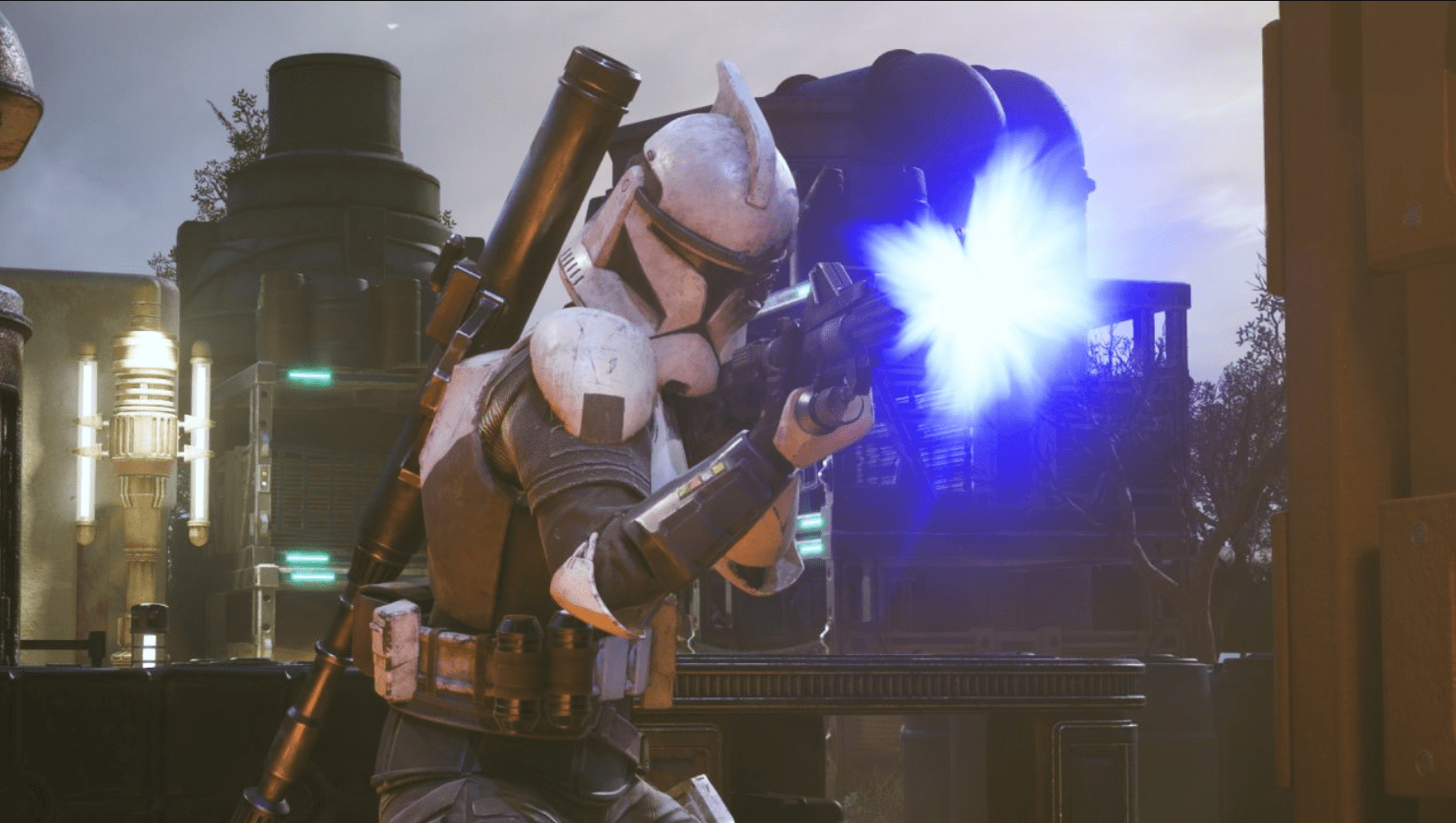
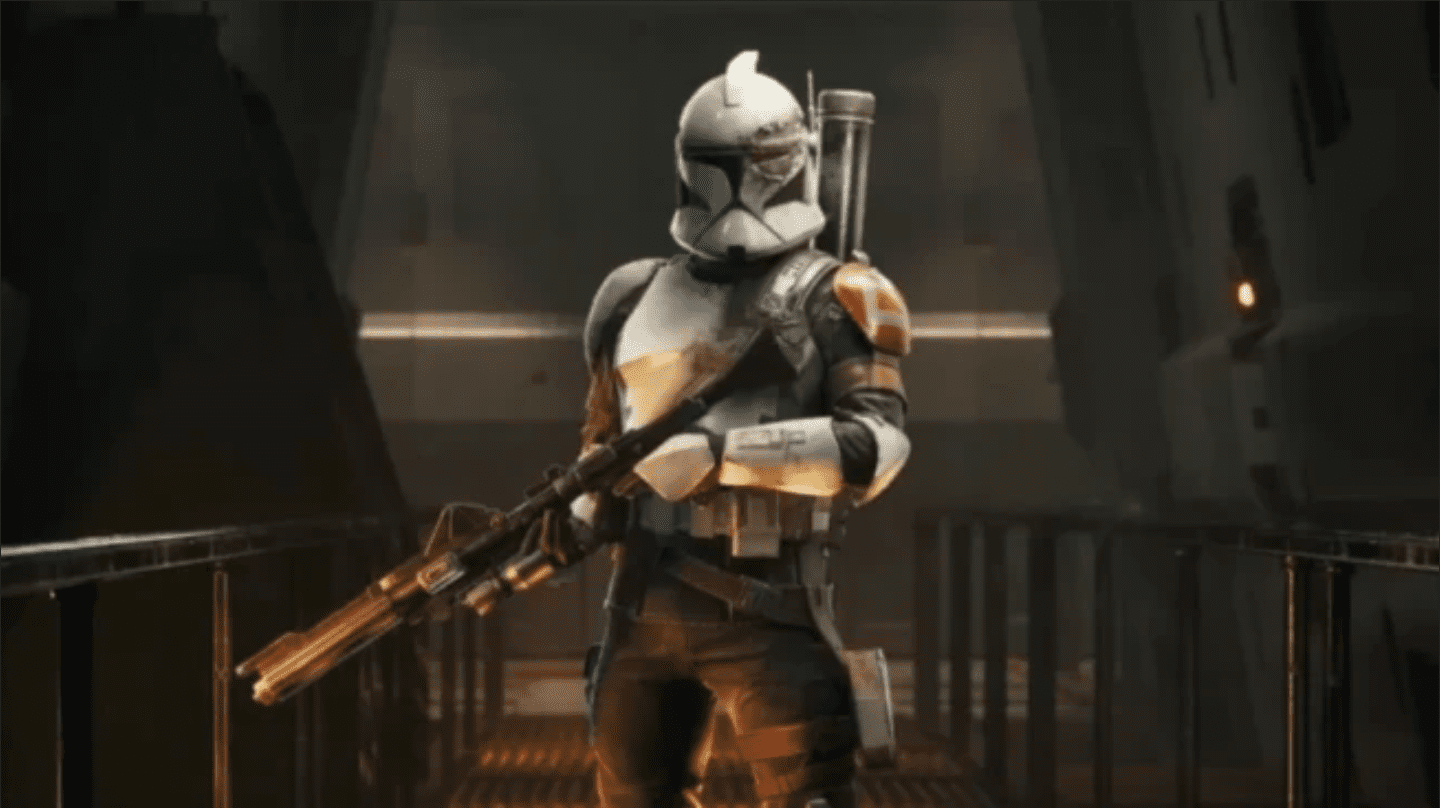
Trick is a veteran clone trooper who served alongside Hawks during his time in the Republic military. That shared history makes Trick one of the most dependable members of the squad, the kind of character who has earned trust through years of service rather than flashy introductions.
Tel Vocos
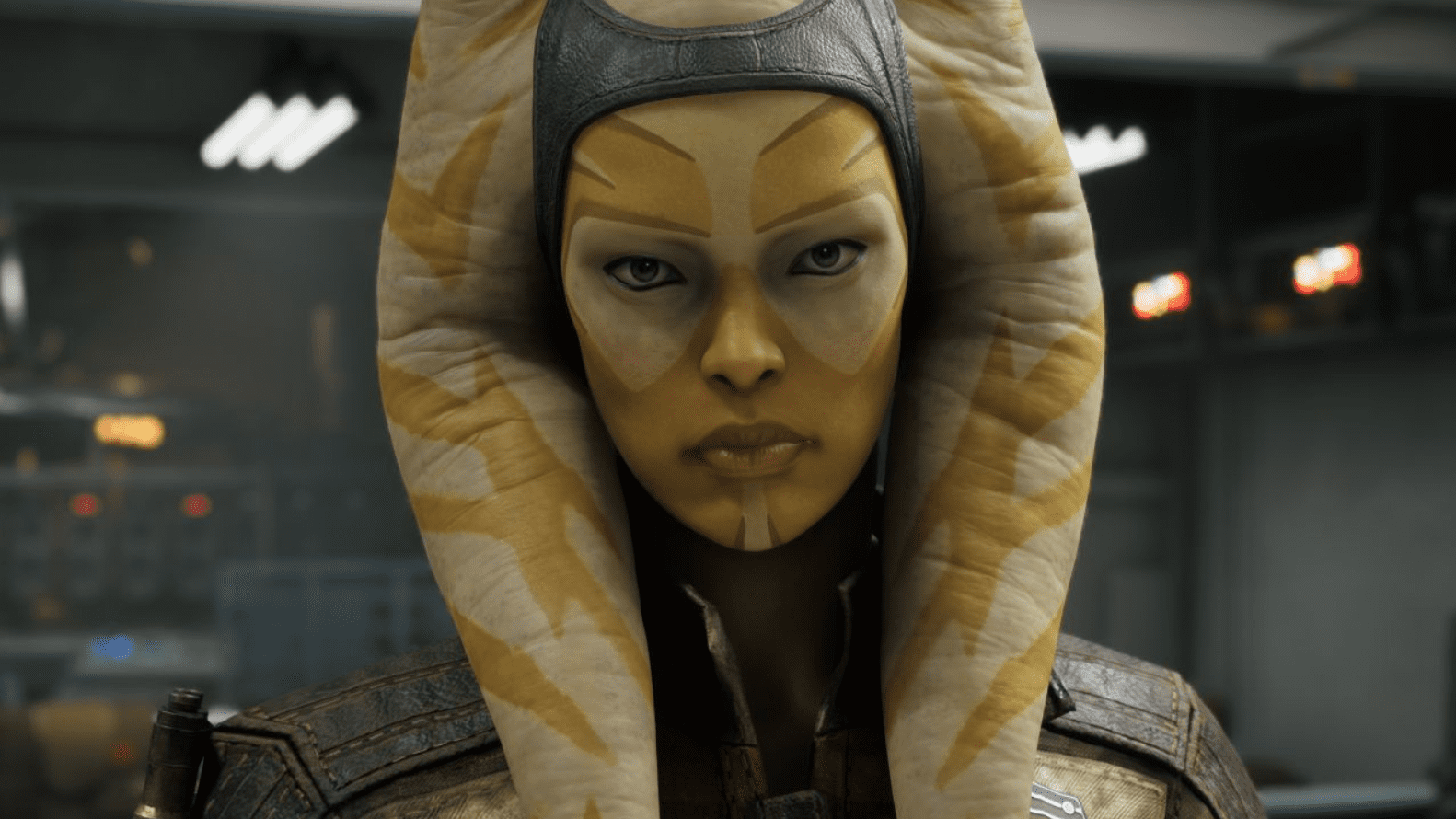
Tel Vocos is a Jedi Padawan who joins Zero Company partly to honor her fallen master. Her discipline and adherence to the Jedi code make her one of the steadier presences on the team, even when everything around her is falling apart.
Cly Koro
Cly Koro is one of the last surviving members of Clan Verminghoth, an ancient group with its own history. She joins the mission carrying a personal need for revenge, which gives her arc a sharper edge compared to some of the other operators.
Luko Bronc
Luko Bronc is the squad’s sniper and comes from Umbara, a world that suffered under Republic occupation. He doesn’t exactly love the Republic, understandably, but he agrees to work with Zero Company because the larger mission matters more than his personal grievances.
Jay Mortyn
Jay Mortyn lost her homeworld to Kundri Fathom and the group known as the Infinite Coil. That loss is what brings her into the fold, and it gives her one of the more emotionally direct motivations on the roster.
Cab Uppercut
Cab Uppercut is a veteran criminal and former prize fighter who now fights alongside Zero Company. He has a cyborg arm, hits incredibly hard, and talks in a distinctive rhyming style that makes him stand out immediately. He’s also notable as the first Felucian character to appear in this kind of leading combat role, which is a nice bit of representation for a species that hasn’t gotten much spotlight before.
How Squad Building Works: Authored vs Custom Operators
One of the smarter design decisions in Zero Company is how it splits your roster into two categories.
Authored operators are the named, story driven characters listed above. They join your squad naturally as the campaign progresses, and they come with their own personalities, dialogue, and arcs already baked in.
Custom operators are characters you recruit yourself. You can adjust their appearance, voice, clothing, and name, which means you get to build out the rest of your squad however you like. This gives you a way to personalize the experience without disrupting the core narrative cast.
From a gameplay perspective, this split makes sense. The authored characters carry the story forward, while custom recruits give you room to experiment with different builds and team compositions, especially as missions ramp up in difficulty later in the campaign.
Star Wars Zero Company Combat System Explained
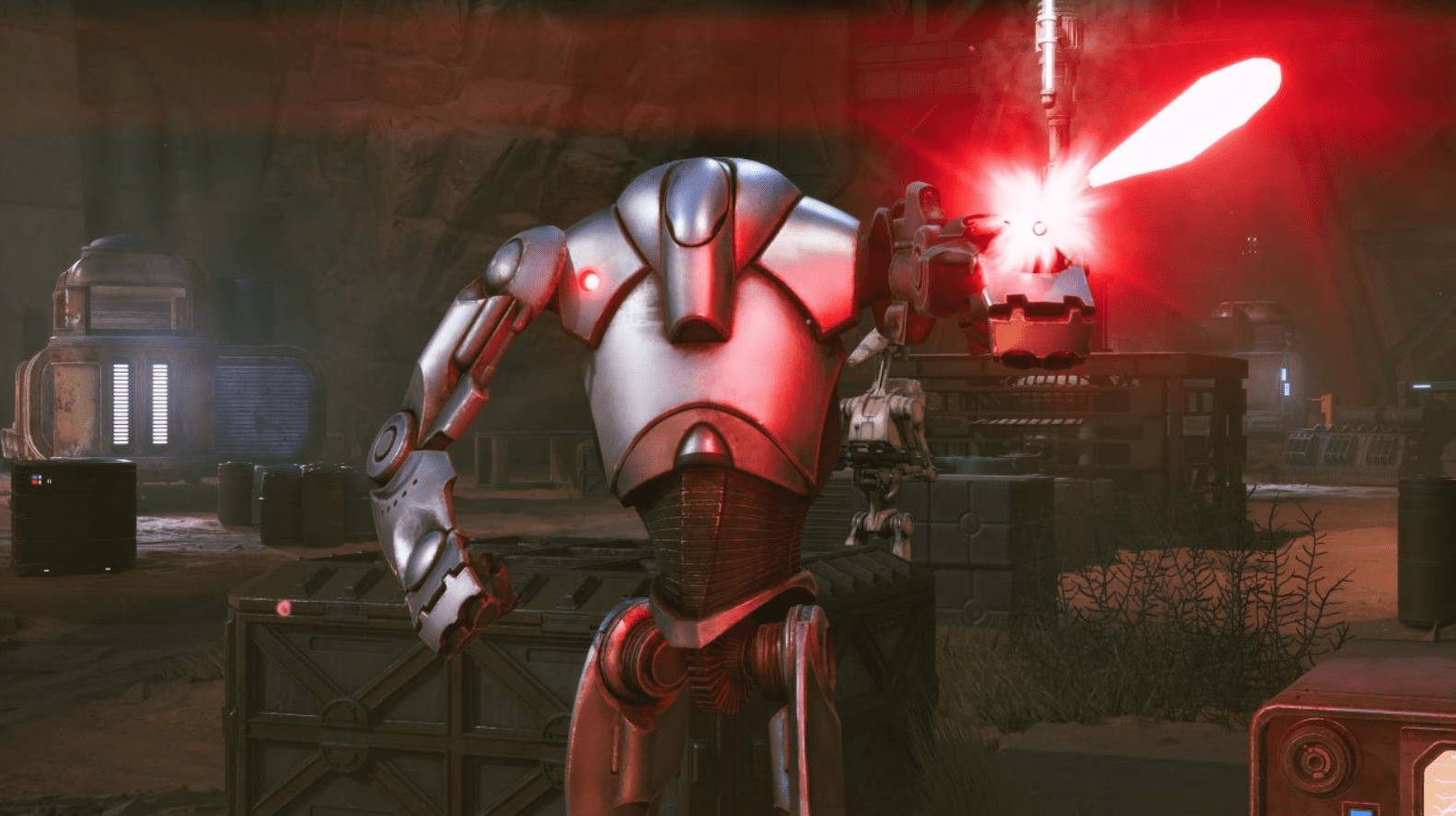
This is the part I was most curious about, since the game has been compared to XCOM more than once, and for good reason. Combat plays out on an isometric battlefield using a turn based structure, where your whole squad acts before the enemy gets to respond.
Action Points
Each operator gets 3 action points per round. You can spend these points on movement, attacks, special abilities, or utility items. The further you move across the map, the more action points that movement starts to cost, so positioning early in a turn matters a lot. Some weapons are powerful enough to consume your entire action point pool in a single attack, which forces you to weigh big damage against flexibility.
Line of Sight and Hit Chances
Attacks require a clear line of sight to the target, and before you commit to firing, the game shows you your hit percentage. That little detail makes a big difference. Instead of guessing whether a shot will land, you can plan around the odds, which feels much fairer when things go wrong.
Cover System
Cover is one of the most important survival tools in the game. Operators behind partial cover are harder to hit, and full cover protects them even more. Flanking an enemy or moving to higher ground improves your own accuracy against them. The twist is that cover can be destroyed mid fight, so camping in one spot indefinitely isn’t a safe long term plan. Eventually, your protection gets stripped away and you’re exposed.
Overwatch
Overwatch lets an operator set up to fire automatically into a chosen area during the enemy’s turn. The size of the Overwatch cone directly affects accuracy, and triggering it can interrupt enemies as they move through the zone. Using Overwatch ends your operator’s turn right away, so it works best as the final action before passing control to the enemy.
Utility Items
Medpacks, concussion grenades, and similar gear round out your tactical options. Most of these only cost a single action point, which makes them efficient tools for healing allies or disrupting enemy formations without burning your whole turn.
Special Abilities and Combos
Every operator has unique abilities, ranging from combat buffs to enemy detection to heavy melee strikes. These abilities can be chained together in different orders, which opens up some satisfying combo potential. A basic example: attack an enemy, retreat into cover, then set up Overwatch to cover your position as the enemy turn begins.
Advantage System
Advantage is one of the deeper systems in Zero Company. As your squad takes down enemies, Advantage points accumulate, up to a maximum of ten. These points can be spent on powerful effects like granting extra action points, boosting squad wide accuracy, calling in a rocket strike, or forcing an enemy to focus its attacks on a specific operator.
What makes Advantage especially useful is that spending it doesn’t cost action points. That means you can use it to bail your squad out of a bad situation or to push an aggressive turn even further, on top of everything else you’re already doing. Learning to bank and spend Advantage efficiently seems like it will separate average players from really sharp ones.
Terrain and Environmental Factors
Terrain and altitude aren’t just visual flair. They actively influence combat outcomes, affecting accuracy, cover quality, and positioning options. In a lot of tactics games, the map design ends up mattering as much as your roster, and Zero Company seems to be leaning into that idea heavily.
Injury and Permanent Death System
This is the system that raises the stakes the most. When an operator’s health drops to zero, they become downed and injured. Teammates can revive them, but injuries come with lasting penalties that need to be managed. On standard difficulty, three injuries result in permanent death for that character.
That permanence changes how you approach every fight. None of your operators, not even the authored story characters, are guaranteed to survive if you play carelessly. Zero Company has quickly become one of the more talked about tactics games on the late summer calendar partly because of how seriously it treats consequences like this.
Difficulty Options
For players who love the Star Wars setting but aren’t necessarily looking for a brutal tactics challenge, an easier difficulty mode will be available. Fans interested in the wider Star Wars setting but who prefer a more relaxed pace can lean on this mode to focus on story and characters without worrying as much about losing operators permanently. That flexibility is a smart move, since not everyone picks up a tactics game for the same reasons. Some people want the full punishing experience, others just want to enjoy the story with some light strategy layered on top.
Full Controller Button Layout Guide for PC and Xbox
Now let’s talk controls. As of now, the developers have not published an official, finalized control mapping for Star Wars Zero Company, so I want to be upfront about that rather than make up exact button assignments. What I can do is walk you through how controls typically work in this genre, since Zero Company is built around the same core systems as other isometric, turn based tactics games like XCOM. If you’ve played anything in that space, most of this layout guide will feel immediately familiar once the game is in your hands.
General PC Controls (Keyboard and Mouse)
On PC, tactics games in this style are almost always built around mouse driven selection and movement, with the keyboard handling shortcuts and camera control. Here’s the layout you can typically expect:
- Left Mouse Click: Select operator, confirm movement, confirm target for attack
- Right Mouse Click: Cancel current action, deselect, or rotate camera (depending on the game’s settings)
- Mouse Wheel: Zoom in and out of the battlefield
- Q and E: Rotate camera left and right
- WASD or Arrow Keys: Pan camera across the map
- Number Keys 1 to 9: Quick select operators or assigned abilities
- Tab: Cycle through available operators
- Spacebar: End current operator’s turn or confirm end of player turn
- Shift (held): Preview movement range or hit percentage details
- Esc: Open pause menu or cancel current selection
- F1 to F4 (varies by game): Quick access to abilities menu, inventory, squad overview, or map
If you’re playing on PC, I’d recommend keeping your camera controls on a comfortable rotation speed from the start. In games like this, line of sight and elevation matter so much that you’ll be rotating the camera constantly to check angles before committing to a move.
General Xbox Controller Layout
For console players using an Xbox controller, tactics games typically map their commands like this:
- Left Stick: Move cursor across the battlefield
- Right Stick: Rotate and tilt camera
- A Button: Confirm action, select operator, confirm movement or attack
- B Button: Cancel action, back out of menu
- X Button: Open abilities or skills menu for the selected operator
- Y Button: Open inventory or utility items menu
- Left Bumper (LB) / Right Bumper (RB): Cycle between operators in your squad
- Left Trigger (LT): Zoom camera out
- Right Trigger (RT): Zoom camera in, or confirm attack on some setups
- D-Pad Up: Open squad overview
- D-Pad Down: End turn
- D-Pad Left/Right: Quick cycle through ability shortcuts
- Start/Menu Button: Open pause menu and settings
- View/Select Button: Toggle map or mission objectives overlay
One thing worth keeping in mind for console players: turn based tactics games tend to translate really well to controller, since you’re not under pressure to react in real time. Cursor based movement on the left stick combined with confirm and cancel buttons on A and B usually feels natural within the first mission or two.
What to Expect for Customization
Most modern tactics games, especially ones built with accessibility in mind, allow you to remap most or all of these inputs. Given that Zero Company already includes an easier difficulty mode for players who want a gentler experience, it would be reasonable to expect some level of control remapping support as well, particularly for players with accessibility needs. Once official control schemes are published closer to or at launch on August 27, this section can be updated with confirmed button mappings rather than genre based expectations.
Star Wars Zero Company: Why This Game Stands Out
Putting everything together, a few things make Zero Company genuinely interesting to me beyond just “it’s Star Wars and it’s tactics.”
First, the price point. Coming in under $60 on console and under $50 on PC during a year when $70 has become disturbingly normal is a small thing that adds up to a lot of goodwill, at least from where I’m sitting.
Second, the injury and permanent death system gives the tactical layer real teeth. A lot of games talk about consequences but soften them in practice. Three injuries leading to permanent death on standard difficulty means your decisions actually matter, mission to mission.
Third, the Advantage system seems like the kind of mechanic that will reward players who play patiently early on. Banking Advantage points by clearing enemies efficiently, then unleashing them at the right moment, sounds like it could create some genuinely memorable turning points in tough fights.
And finally, the cast. Characters like Cab Uppercut, with his cyborg arm and rhyming dialogue, or Luko Bronc, whose history with the Republic isn’t exactly friendly, suggest a squad with real texture rather than a collection of interchangeable soldiers.
Final Thoughts on Star Wars Zero Company’s August 27 Launch
With a release date of August 27, a price point that undercuts most of this year’s big releases, a Clone Wars era setting with a tight personal story, and a combat system built around cover, Overwatch, Advantage points, and real permanent consequences, Star Wars Zero Company has earned a spot on my radar for late summer. Whether you’re coming in as a longtime Star Wars fan or just someone who enjoys a good tactics game, there’s enough here to justify keeping an eye on it between now and launch day.