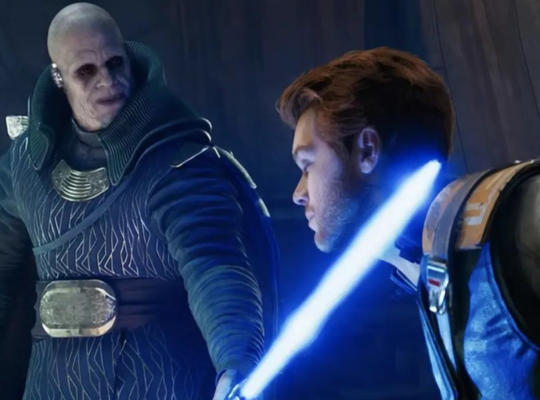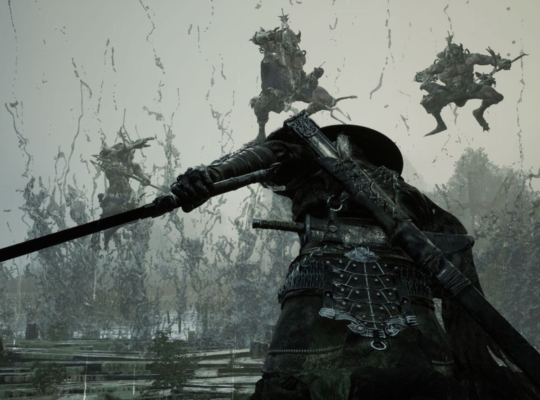
I watched Summer Game Fest 2026 live, coffee in hand, fully expecting at least two or three moments where I would check my phone out of boredom. That did not happen. Geoff Keighley put together a show that moved fast, hit hard in the right places, and closed with something that genuinely surprised people who thought they already knew what the finale would be. This is not just a list of announcements. This is a proper breakdown of what was shown, what it means for players, why some of these games matter more than they appear to on the surface, and what you actually need to know before you get excited or dismiss something.
Let me walk you through everything, game by game, with full context.
Resident Evil Code Veronica Remake: The One That Was Always Coming
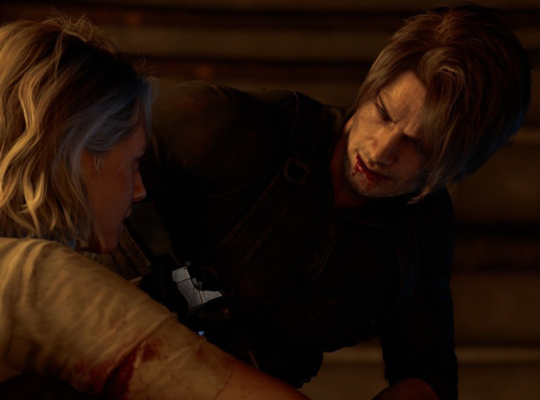
The show opened with Resident Evil Code Veronica, and if you have been paying attention to Capcom over the last several years, this was not a shock. Capcom has been running through their back catalog with the RE Engine and doing it well. Code Veronica is one of the entries in the series that a large number of players either missed entirely or only experienced through old footage and reviews. The original released in 2000 on Dreamcast, later on PS2, and it sits in this strange middle space where hardcore fans love it but casual players have almost no awareness of it.
The remake is confirmed for PS5, Xbox Series X and S, Switch 2, and PC, with a 2027 launch window. This is Capcom doing what they do best right now: taking a game with a strong concept and bringing it to people who deserve a fair chance to actually play it. I played the original on PS2 as a kid and remember finding it significantly harder than anything before it in the series. The fixed camera is gone, obviously, the RE Engine handles everything with that over-the-shoulder view that RE2 Remake established, and the environments in the trailer look genuinely beautiful in a cold, clinical kind of way.
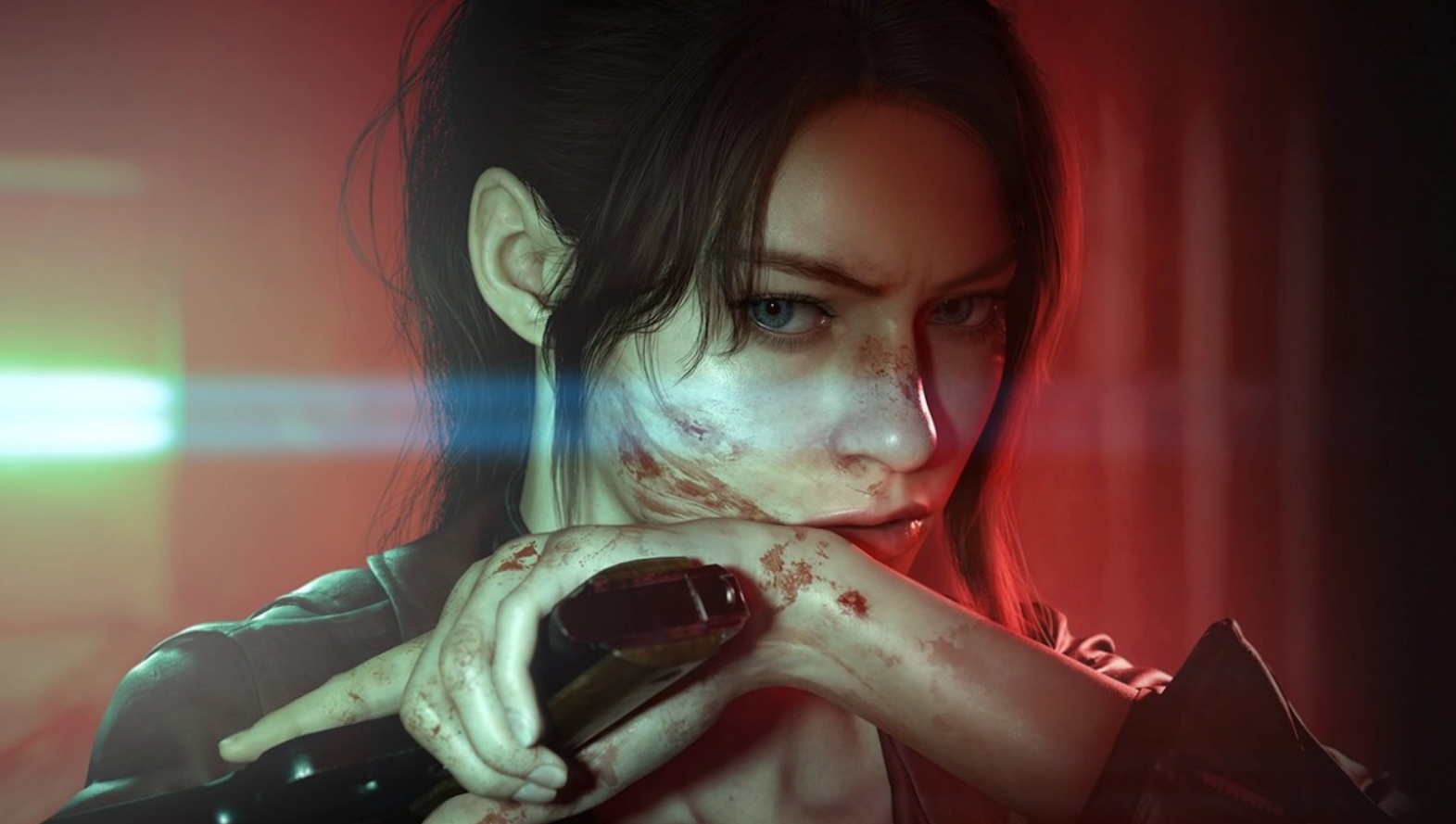
For new players: Code Veronica is the story of Claire Redfield getting captured and taken to an Umbrella facility on a remote island. It is connected to the main timeline in important ways, and playing it before or after RE2 and RE3 gives you a fuller picture of what Umbrella actually was as an organization.
For returning players: Yes, Steve Burnside is back. Try to be kind about it.
What to Expect Gameplay-Wise
The RE Engine remakes have followed a consistent structure. Tight third-person movement, resource management that matters, enemy encounters that reward learning patterns. Code Veronica in its original form had some genuinely punishing sections. The remake will almost certainly smooth some of those edges without removing the tension that made the game memorable. Capcom has earned enough trust at this point that I am not worried about them getting the tone wrong.
Cuphead: Two Projects, One Studio, Zero Explanations Needed
Studio MDHR came on stage and announced not one but two Cuphead projects. The first is a brand new hand-animated Cuphead game currently described as being in early development. Anyone who followed the original Cuphead’s development timeline knows that hand-animated games from this studio take time. The art process alone is extraordinary: every frame is drawn by hand, inked, colored, and scanned in a way that replicates the look of 1930s rubber hose animation. That takes years.
So when they say early development, believe it. This is probably a 2028 or 2029 release at the absolute earliest, and that is being optimistic. But that is fine. The original was worth every delay.
The second project is called Mighty Cuphead Adventure, and this one leans into a retro 8-bit visual style. Think NES aesthetic applied to the Cuphead universe. This feels like it could arrive sooner, possibly as a smaller-scale release that scratches the itch while the main new game is still being made. Two Cuphead projects at once suggests Studio MDHR has grown significantly in terms of team size and capability, which is good news for both projects.
I personally spent more hours on Cuphead than I care to admit. The boss fights in that game are genuinely designed around learning, not grinding, and that philosophy made it one of the most satisfying completions I have had on a game in years. If the new title carries that same DNA, it earns day-one consideration without question.
Alien Isolation 2: A Second Chance at Something Special
Alien Isolation released in 2014 and had a genuinely complicated reception. Critics were split. Some called it too long, too repetitive. Others, myself included, thought it was one of the best horror games in years. The core idea, one xenomorph with learning AI stalking you through a space station while you hide, scavenge, and try not to die, was executed with a level of craft that deserved more recognition than it got.
The sequel has been confirmed for Xbox Series X and S, PS5, Switch 2, and PC. No release date was given beyond a general announcement. What the reveal communicates is that Creative Assembly or whoever is developing this has decided the concept earned a second chapter, and they are right. The original Alien Isolation built one of the best representations of the Alien universe ever put into an interactive medium. The sound design alone was extraordinary. The xenomorph in that game genuinely felt unpredictable because of how the AI was constructed.
The sequel has the opportunity to take that foundation and expand the scope without losing what made the original work. The biggest risk is overcorrecting on the criticism about length or pacing and delivering something that feels too streamlined. The tension in Alien Isolation came from extended periods of hiding and waiting. That is not a flaw. That is the experience.
Gen ATLAS: Shadow of the Colossus Energy With Giant Robot Combat
Gen ATLAS is from Uppercase Arts, and the comparison to Shadow of the Colossus writes itself. The game involves enormous robots in combat, and there is also third-person action shooting layered in for the moments between the big encounters. But the giant robot battles are clearly the centerpiece. There is a moment in the reveal trailer where one robot pulls back and punches another robot’s head clean off with the kind of visual commitment that tells you the team knows exactly what kind of energy they are going for.
What makes it interesting beyond the obvious spectacle is the studio’s approach to storytelling through environment and scale rather than heavy dialogue or cutscene exposition. That is the Shadow of the Colossus approach, and it works because it forces the game to communicate emotion through what you see and experience rather than what characters say to each other. When you are standing at the base of something enormous and the music shifts and the ground shakes, that lands harder than any line of dialogue would.
Gen ATLAS is a game to watch. No release date confirmed, but the ambition in the trailer is clear.
Stranger Than Heaven: January 15, 2027, With Tupac Shakur in the Mix
Stranger Than Heaven locked in a January 15, 2027 release date, which means the new year starts with a major release almost immediately. The more unusual aspect of this announcement is the confirmed inclusion of celebrity likenesses in the game, including Snoop Dogg and Tupac Shakur. Snoop Dogg addressed the Tupac inclusion directly and confirmed that the necessary arrangements were handled with the estate.
Whether that lands well with the public is going to depend entirely on execution. Using Tupac’s likeness in any context carries weight, and a video game is a particularly tricky medium for it because the player has direct interaction with the world around them. If the game treats the inclusion with genuine respect and craft, it could be something memorable. If it feels like a marketing move without substance, the reaction will be sharp.
The January launch date is strategically interesting. January is historically a slower month for game releases, which means Stranger Than Heaven will not be fighting for attention the way it would in a crowded fall window.
TMNT The Last Ronin: Platinum Games, Dark Comics, and High Expectations
Teenage Mutant Ninja Turtles: The Last Ronin appearing at Summer Game Fest 2026 was a relief for a specific reason: there had been genuine concern in certain parts of the community that the project had been quietly shelved. It was not canceled. Not only is it still in development, but Platinum Games is making it, which changes the conversation entirely.
For context on the source material: The Last Ronin is a comic series that takes an extremely different approach to the Turtles mythology. It is dark, emotionally heavy, and built around a mystery about which turtle survived to become the last one standing. It is not a story for younger audiences. The tone is closer to a war story than anything you would associate with the animated series or the original films.
Platinum Games making a combat-focused action game based on that material is a combination that makes sense on paper and could be something genuinely excellent in practice. Platinum’s best work, Bayonetta, Metal Gear Rising, NieR Automata, is characterized by combat systems with real depth: things you can button-mash through initially but that reward learning and mastery. If the Last Ronin game carries that DNA, the combat should feel weighty and deliberate rather than fast and flashy.
One genuine recommendation: if you have not read the comic series and you plan to play this game, read the comic first. The story has real emotional impact, and experiencing it through the game before knowing the source material will give you a complete experience. Going in cold to the game is fine too, but the comics add layers that the game will almost certainly build on.
Gundam Rogue Orbit: On the Radar for Fans, Minimal Details for Everyone Else
The Gundam reveal at Summer Game Fest 2026 was brief. The trailer showed large-scale mech combat with anime visuals, the Gundam name appeared, and then the title Gundam Rogue Orbit was confirmed before moving on. That is essentially the full picture of what was shared.
For Gundam fans, the title alone puts it on the watchlist. For everyone else, there is not enough information yet to form a strong opinion. Rogue Orbit as a subtitle suggests some kind of deviation from established Gundam continuity, possibly an original story rather than an adaptation of an existing series. That could mean more creative freedom, or it could mean nothing yet because the game is clearly early in its reveal cycle.
More information will come. This was a placeholder reveal more than a proper announcement.
Guild Wars 3: Fall 2027, PS5 Included, and the MMO Question
Guild Wars 3 was one of the more anticipated announcements going into Summer Game Fest 2026, and it delivered a proper reveal with a confirmed launch window of fall 2027 on PC and PS5. The console presence is notable because the Guild Wars series has historically been PC-focused, and bringing a sequel to PS5 represents a significant expansion in audience reach.
Guild Wars built its identity in a specific way during the World of Warcraft era: no monthly subscription required. That was a meaningful differentiator at a time when MMO players were used to paying on top of the game’s purchase price just to keep playing. All signs point to Guild Wars 3 continuing with that model.
Beyond the business model, the reveal suggested the team is interested in rethinking what MMO combat and world structure can actually be rather than iterating on the formula that defined the genre in the 2000s. That is a bold position to take, and it carries real risk. Players have strong expectations for what an MMO should feel like at a foundational level. How much Guild Wars 3 is willing to deviate from those expectations while still feeling coherent as a massively multiplayer experience is the central design challenge they are working with.
The Project Helix angle is also worth noting. Given the fall 2027 PC release window, there is a real possibility Guild Wars 3 ends up available through Xbox’s Helix service by default, though nothing has been formally confirmed on that front.
For more on Guild Wars 3’s design philosophy, ArenaNet’s official site has been updating with developer notes as the project develops.
Virtua Fighter Crossroads: Sega Builds a World, Not Just a Fighter
Virtua Fighter Crossroads surprised people, and it surprised them in a good way. The expectation going in was a traditional arena fighter in the Virtua Fighter lineage. What was shown instead is a full narrative action game built around hand-to-hand combat, set within the Virtua Fighter universe but functioning more like an expanded story experience than a competitive fighting game.
Sega is building the Virtua Fighter property into something larger. Using a narrative action game to flesh out that world, its characters, its history, its fighting styles, is a legitimate creative direction that makes the universe more accessible to players who would never pick up a pure one-on-one fighter but would absolutely play a story-driven brawler with strong combat mechanics.
It is due in 2027. The fighting game community will have opinions about whether this is a good use of the Virtua Fighter name. Everyone else should consider it on its own terms.
Soul Genesis: Bloober Team Goes Asymmetric Horror Multiplayer
Bloober Team announced Soul Genesis, a 3v1 asymmetric horror multiplayer game currently confirmed for PC. The asymmetric horror format, where one player controls a powerful threat while others try to survive and complete objectives, has been explored by games like Dead by Daylight and more recently with varying degrees of success by other titles. Bloober Team bringing their sensibility for atmosphere and psychological horror to that format is interesting on paper.
Bloober Team has a full slate right now. Soul Genesis adds one more project to a studio that is clearly operating at a larger scale than they were a few years ago. PC-only for now, no console announcements yet.
Star Wars Zero Company: August 27 Is the Date
Star Wars Zero Company confirmed its release date at Summer Game Fest 2026: August 27. If you have been following this one, you know the premise. It is a tactical strategy game set in the Star Wars universe, developed by Bit Reactor with EA overseeing publishing. The tactical genre and Star Wars are a combination with real precedent going back to games like Star Wars Rebellion and the more recent XCOM-style approach that was rumored for years before Zero Company became the actual project.
August 27 puts it in a slightly quieter period before the traditional fall rush, which should give it room to land without getting immediately buried by competition. For a strategy game that requires attention and patience, that release timing is smart.
The EA Star Wars official page has the latest details and preorder information as the launch approaches.
Stellar Blade Blood Rain: The Sequel That Proves Shift Up Is Serious
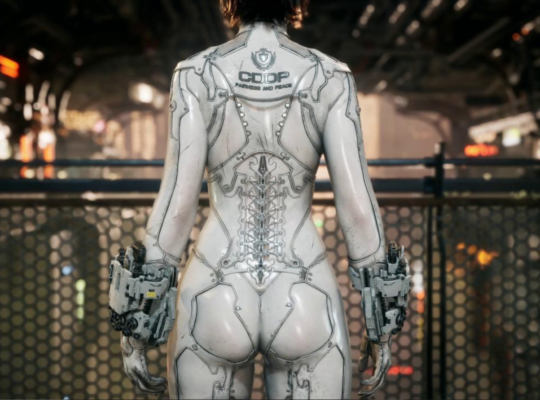
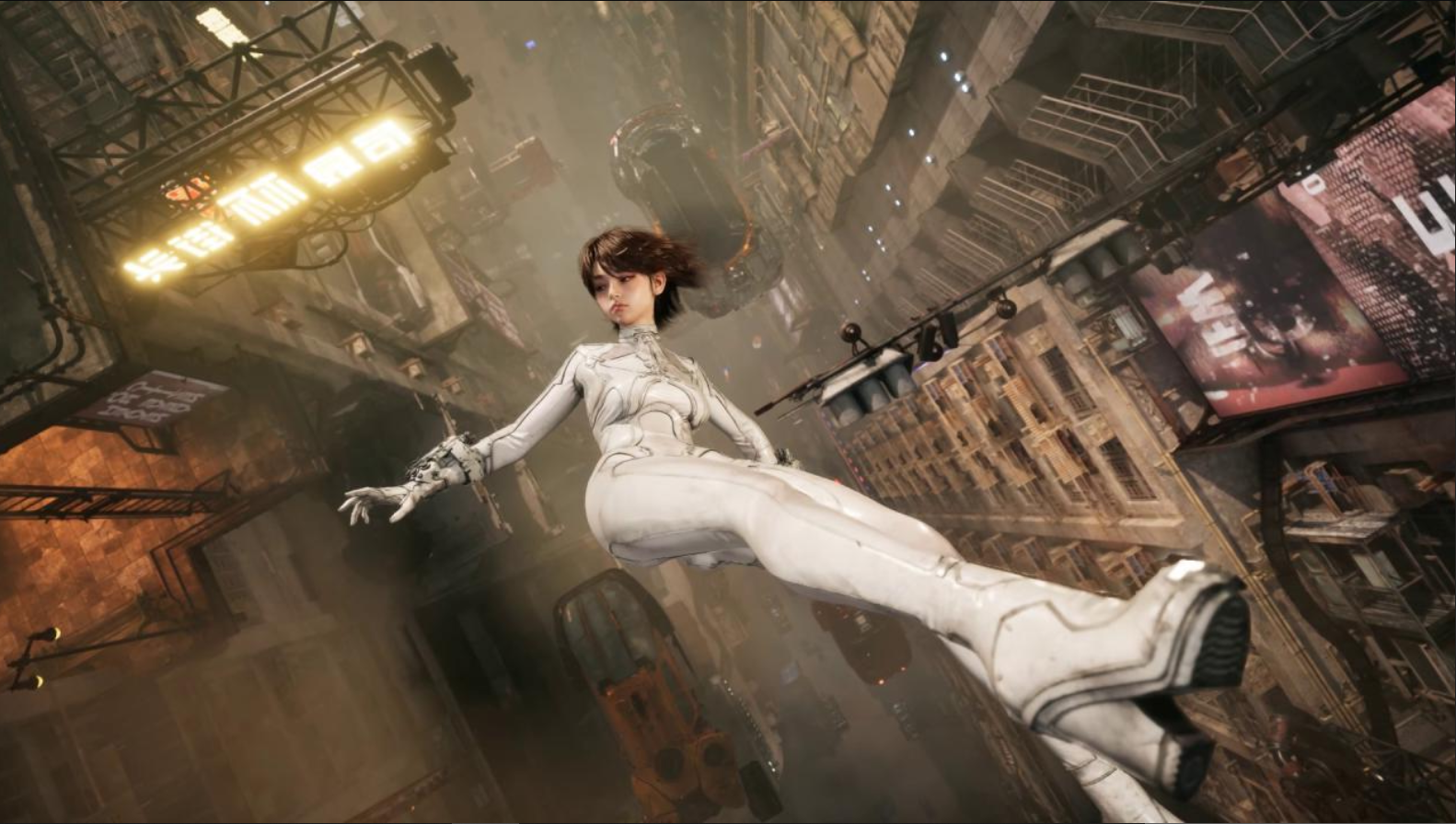
Stellar Blade: Blood Rain is the direct follow-up to Shift Up’s original Stellar Blade, and it picks up the story from exactly where the first game ended. The immediate impression from the trailer is speed. Stellar Blade was already a fast game with demanding combat, but Blood Rain appears to push Eve further toward agile hand-to-hand combat rather than centering the blade as the primary tool. The fighting looks faster, more fluid, and more physically expressive.
The art style is unmistakably a Shift Up production. The visual identity of that studio is consistent in a way that makes their work instantly recognizable, and Blood Rain looks like it was made by the same team that made the original, which sounds obvious but is worth saying because sequels do not always feel that way.
Blood Rain is still in early development. A realistic release estimate puts it somewhere in the 2028 to 2029 range, though Shift Up has not confirmed anything beyond the announcement. What the reveal communicates clearly is that Stellar Blade is not a one-time project for this studio. They are building it into a long-term franchise, and they are doing it while also growing into a publishing role for other developers. That combination of ambition and commitment to the core property is a good sign for where the series goes from here.
Tifa Lockhart in Street Fighter 6: The Guest Character That Makes Sense
Tifa Lockhart was confirmed as an upcoming Street Fighter 6 character for the current season’s DLC content. This had been circulating as a rumor in the fighting game community for a while before the confirmation, and it fits. Tifa is a hand-to-hand fighter in her home game, her style translates naturally to a fighting game format, and the Final Fantasy 7 collaboration with Capcom has precedent given that Cloud appeared in older Smash Bros. content and various crossovers over the years.
For Street Fighter 6 players, guest characters that actually feel designed around the game’s systems rather than just dropped in are the best case scenario. The reveal suggests Tifa’s moveset draws from her limit breaks and her brawling style rather than forcing Final Fantasy mechanics into a format they were not built for.
Final Fantasy 7 Revelation: The Closeout That Earned It
Before Summer Game Fest 2026 began, Geoff Keighley addressed something directly that he could have easily avoided. At a previous show, he had announced Highguard as a major multiplayer service game. Highguard shut down before the next Summer Game Fest even arrived. That is a rough sequence of events for any host to face, and he came out and acknowledged it plainly, then told the audience that this year’s closeout would be a narrative single-player game. He followed through.
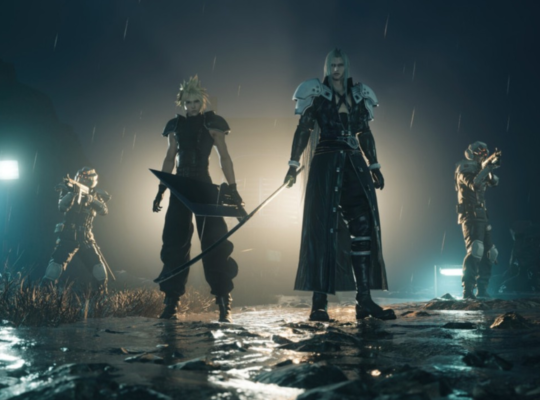
Final Fantasy 7 Revelation is the official name for what fans have been calling Final Fantasy 7 Part 3. It is releasing in spring 2027 on PS5, Xbox Series X and S, Nintendo Switch 2, and PC. The simultaneous multi-platform launch is meaningful: this is not a timed exclusive situation. Everyone gets it at the same time.
The trailer showed a significant amount of gameplay direction rather than just cinematic content. The Highwind airship appears early and appears to function as a central hub or traversal tool in a way the series has not fully realized before. The trailer shows Eve leaping from the Highwind and diving into the world below, which suggests the sense of scale and freedom that Rebirth gestured toward is being expanded further in Revelation.
What Is Confirmed for Final Fantasy 7 Revelation
The Weapons, which in the original Final Fantasy 7 were optional superbosses like Ruby Weapon and Emerald Weapon, are woven directly into the main story in Revelation rather than existing as side content. That is a significant structural change that adds stakes to encounters that were previously treated as bonus challenges.
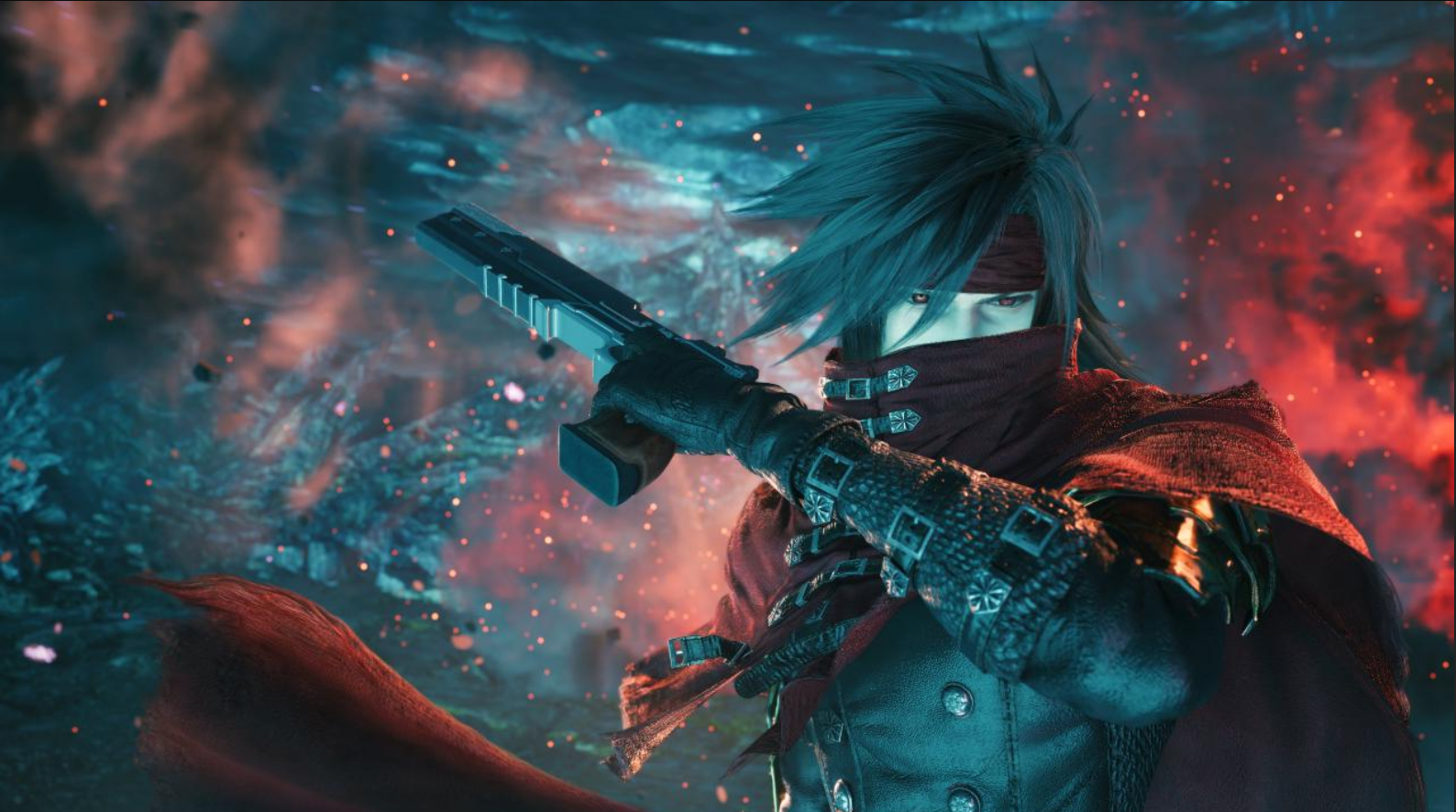
The character-switching combo system from Rebirth returns. Vincent Valentine is confirmed as a playable character, and his combat footage carries a strong Dirge of Cerberus influence: aiming, targeting, gun-based mechanics that feel distinct from the melee-focused playstyles of Cloud, Tifa, or Aerith. Cid Highwind is also confirmed as playable, which was expected but still satisfying to see officially.
A new system that functions similarly to a job class system lets you shift between different build archetypes on the fly during combat. The trailer showed Black Mage as one option, which points toward significant depth in terms of how you can customize your approach to encounters. If this system is as flexible as it appears, Revelation could have the most involved build customization of any game in the trilogy.
The project began as a formal announcement almost ten years ago at E3. What this remake trilogy has done is take the bones of the original game and construct something entirely new around them. Revelation is not following the same story the original Final Fantasy 7 told. The events of Remake and Rebirth established that this version of the story operates under different rules, and the finale will reflect that. This is not a retelling with better graphics. It is a new story that uses the original as its foundation.
For the full history of the Final Fantasy 7 Remake project, Square Enix’s official FF7 page tracks all announcements and updates.
Full Controller Layout Guide: PC and Xbox for Every Major Game Announced
A lot of the games announced at Summer Game Fest 2026 will be playable on both PC with a controller and Xbox Series X or S. Here is a complete breakdown of how to set up and understand controller layouts for each genre represented in this year’s lineup, covering both Xbox controllers and PC mapping. I use a controller on PC for most of these game types, and the default mappings tend to follow consistent patterns across modern action games, survival horror titles, and tactical RPGs.
Xbox Series X Controller Layout Reference
Before diving into individual games, here is the standard Xbox Series X controller layout as a reference point. Every button mapping below uses this as its base:
- Left Stick: Movement and character navigation
- Right Stick: Camera control and aiming
- Left Stick Click (L3): Sprint, crouch toggle, or run depending on game
- Right Stick Click (R3): Melee, lock-on, or zoom depending on game
- A Button: Confirm, jump, interact
- B Button: Cancel, dodge, roll, or sprint
- X Button: Light attack, reload, or secondary action
- Y Button: Heavy attack, swap weapon, or special action
- Left Bumper (LB): Cycle left, guard, or weapon wheel
- Right Bumper (RB): Cycle right, ability use, or switch character
- Left Trigger (LT): Aim, block, or secondary fire
- Right Trigger (RT): Primary attack, shoot, or confirm action
- D-Pad Up: Item use, ability shortcut, or quick select
- D-Pad Down: Item use, ability shortcut, or map toggle
- D-Pad Left and Right: Cycle items, swap equipment, or ability rotation
- View Button: Map, objectives, or scoreboard
- Menu Button: Pause and system menu
Resident Evil Code Veronica Remake: Controller Layout
Based on the RE Engine remakes that came before it, expect Resident Evil Code Veronica to follow the established Capcom control scheme closely. Here is what the layout will almost certainly look like on both Xbox and PC with a controller:
- Left Stick: Character movement
- Right Stick: Camera control
- RT: Aim weapon
- RB: Shoot
- B: Dodge or quick turn
- A: Interact with environment, open doors, pick up items
- X: Reload or use equipped item
- Y: Open inventory or equip item
- LT: Ready knife or secondary action
- LB: Ready or swap secondary weapon
- L3: Sprint
- R3: Knife attack in RE2 and RE3 Remake was here; expect similar in Code Veronica
- D-Pad: Quick item select for frequently used items like herbs and ammunition
- View: Map screen
- Menu: Pause and full menu access
PC players using a keyboard and mouse gain precision aiming advantages, but the controller setup is genuinely well-suited for survival horror where deliberate movement matters more than twitch aiming speed. If you are playing on PC, I recommend using a controller for the atmosphere alone. It makes resource management feel more intentional.
Final Fantasy 7 Revelation: Controller Layout
Based on Final Fantasy 7 Remake and Rebirth, the control scheme for Revelation will build on a well-established foundation. Here is the expected layout:
- Left Stick: Character movement
- Right Stick: Camera and target adjustment
- RT: Basic attack (held for continuous)
- LT: Block and parry
- RB: Use equipped ability or materia
- LB: Open ability menu (time slows)
- A: Confirm in menus, interact with world
- B: Dodge or roll out of danger
- X: Pause combat and open full command menu
- Y: Switch active character
- R3: Lock onto enemy target
- L3: Sprint
- D-Pad Up: Use item
- D-Pad Down: Toggle summon or support ability
- D-Pad Left and Right: Cycle through materia or party member commands
The new job system shown in Revelation will likely map build-switching to a quick combination, possibly holding LB and pressing a face button, similar to how some action RPGs handle stance changes. Until the official control mapping is released, this is the expected structure based on how the previous two games handled expanding mechanics.
On PC, keyboard defaults tend to follow WASD for movement, left mouse for attack, right mouse for block, and number keys for ability slots. A controller remains the recommended input for the combat flow in this series because the button-held attack timing and the ability menu navigation both benefit from analog input.
Alien Isolation 2: Controller Layout
Alien Isolation’s original control scheme was built around tension rather than action speed. Expect the sequel to follow a similar philosophy:
- Left Stick: Movement (slow movement reduces sound output)
- Right Stick: Look and aim direction
- RT: Use equipped tool or weapon
- LT: Aim tool or weapon precisely
- RB: Cycle through crafted items
- LB: Access motion tracker or device
- A: Interact, open panels, enter vents
- B: Crouch toggle and hide
- X: Pick up items quietly
- Y: Open crafting or inventory menu
- L3: Hold breath mechanic (in original, reduces detection in some scenarios)
- R3: Lean to peek around corners
- D-Pad: Quick access to specific tools like the flamethrower, noisemaker, or medkit
For Alien Isolation 2 on PC with keyboard and mouse, the original game’s default layout had WASD movement, E for interaction, C for crouch, F for flashlight, and number keys for tool selection. The sequel will likely follow something close to this while adding new mechanics that require additional bindings.
Stellar Blade Blood Rain: Controller Layout
Stellar Blade’s combat is demanding and fast. Blood Rain appears to increase that demand further. The original game’s control scheme was:
- Left Stick: Movement and directional input for combo extensions
- Right Stick: Camera control
- RT: Light attack
- RB: Heavy attack or charge attack when held
- LT: Perfect parry timing window
- LB: Dodge in the direction of left stick input
- A: Jump
- B: Sprint
- X: Use Beta Skill or special ability from meter
- Y: Burst Skill when gauge is full
- R3: Lock-on to target
- L3: Toggle weapon or ability set
- D-Pad Up: Use consumable item
- D-Pad Down: Swap equipped skill
- D-Pad Left and Right: Cycle through skill slots
Blood Rain’s increased emphasis on hand-to-hand combat alongside the blade suggests the face button attacks may be reorganized to accommodate a second combat mode or stance system. Expect the sequel to have a button dedicated to switching between blade and hand-to-hand stances, likely mapped to L3 or a D-Pad shortcut.
PC players using keyboard and mouse for Stellar Blade found the original playable but significantly better suited to controller input. The parry system especially benefits from analog triggers. Blood Rain will almost certainly be the same.
TMNT The Last Ronin: Expected Controller Layout
Given that Platinum Games is developing The Last Ronin, expect the control scheme to share DNA with their other action titles. Bayonetta and Metal Gear Rising both follow a structure that rewards precise input rather than holding buttons:
- Left Stick: Movement
- Right Stick: Camera and lock-on adjustment
- RT: Primary melee attack (generates combo strings)
- RB: Secondary weapon or tool attack
- LT: Dodge or evade with timing window for special effect
- LB: Guard or weapon switch
- A: Jump and air dash
- B: Cancel animation or escape grab
- X: Alternative attack or ninjutsu ability
- Y: Weapon swap or special technique
- R3: Lock-on
- L3: Ninja run or sprint
- D-Pad: Ability and item shortcuts
Platinum combat systems reward players who learn the depth over time. Button mashing works at lower difficulty settings but leaves significant mechanical richness unexplored. The Last Ronin will almost certainly have a dedicated dodge timing window that, when executed correctly, triggers a cinematic slow-motion counterattack, which is a Platinum signature move across their catalog.
Guild Wars 3: PC Primary, Console Secondary
Guild Wars 3 is primarily a PC game, and keyboard and mouse will be the expected input for most players. However, with PS5 confirmed, a controller scheme will exist. Based on Guild Wars 2’s controller support and typical MMO adaptations:
- Left Stick: Character movement
- Right Stick: Camera and targeting direction
- RT: Basic attack
- RB: Skill 2 or primary active ability
- LT: Block or defensive skill
- LB: Skill 3 or secondary active ability
- A: Interact and confirm
- B: Dodge roll (double tap for evade)
- X: Skill 4
- Y: Skill 5 or profession mechanic
- R3: Target nearest enemy
- L3: Toggle run walk
- D-Pad Up and Down: Skill bar page swap to access more abilities
- D-Pad Left and Right: Cycle through skill sets or weapon stances
- View: World map
- Menu: Main menu and character panel
MMOs on controller always involve some compromise because the genre was built around keyboard shortcuts that map dozens of abilities. Guild Wars 3’s design team will need to decide how many active skills a player can reasonably access through a controller layout before the experience becomes frustrating. How they handle this will be one of the more interesting design questions around the console version.
PC Controller Configuration: Getting the Best Experience
For PC players who want to use a controller across all these games, a few practical notes from personal experience:
Steam’s controller configuration tool is the most flexible option available for remapping any game’s input scheme. If a game does not natively support your controller, Steam can handle the translation. The Xbox Series controller connects to PC via USB or the Xbox Wireless Adapter with no additional software required. Bluetooth pairing works but introduces slightly more input latency than wired or the dedicated adapter.
For games like Stellar Blade Blood Rain and TMNT The Last Ronin where parry and dodge timing windows are central to survival, wired input or the dedicated wireless adapter is worth the effort. The latency difference is small in absolute terms but meaningful in games built around precise reaction windows.
Dead zones and sensitivity settings within each game’s options menu are worth adjusting before you settle into a session. Most action games ship with conservative dead zone defaults that make the right stick feel sluggish for camera control. Dropping the dead zone slightly and increasing camera sensitivity slightly takes five minutes and dramatically improves how the game feels.
Microsoft’s official Xbox controller support page has the full setup guide for connecting Xbox controllers to PC across USB, Bluetooth, and the wireless adapter.
What Summer Game Fest 2026 Tells Us About Where Gaming Is Going
Looking at the full lineup from Summer Game Fest 2026, a few patterns emerge that are worth naming directly.
Single-player narrative games are back at the center. The Highguard situation, where a live service multiplayer game was announced with great fanfare and then shut down within a year, put a spotlight on a broader industry pattern. Geoff Keighley acknowledging it and then closing the show with Final Fantasy 7 Revelation was deliberate. The message was clear: story-driven, single-player experiences are what players show up for at moments like this.
Remakes are not a trend that is ending. Resident Evil Code Veronica, Virtua Fighter Crossroads building on an existing IP, the continued Final Fantasy 7 trilogy: the appetite for revisiting and rebuilding existing properties with new technology and new interpretations is genuine and sustainable when the execution is right. Not every remake earns its existence, but the ones at Summer Game Fest 2026 all have clear reasons for existing.
2027 is going to be a very full year. Final Fantasy 7 Revelation in spring, Guild Wars 3 in fall, Resident Evil Code Veronica, Virtua Fighter Crossroads, Star Wars Zero Company in August, Stranger Than Heaven in January: the calendar is already crowded before the year has even started. Players with limited time and limited budgets are going to have to make real choices.
The multiplatform trend is accelerating. Almost every major announcement at Summer Game Fest 2026 included Switch 2 in the platform list alongside PS5, Xbox, and PC. The days of generation-defining exclusives that exist on only one platform are not completely gone, but the direction is clearly toward broader availability. That is good for players across all platforms.
Final Thoughts: A Show That Delivered Where It Needed To
Summer Game Fest has been running for seven years now. In that time it has had highs, lows, and stretches where the format felt like it needed refinement. 2026 is one of the stronger entries. The pacing worked. The reveals landed in the right order. The closeout was earned rather than just loud.
Final Fantasy 7 Revelation alone would have made this a show worth watching. Adding Resident Evil Code Veronica Remake, TMNT Last Ronin at Platinum Games, Alien Isolation 2, Guild Wars 3, and Stellar Blade Blood Rain to a single two-hour window is a lineup that holds up against any comparable event in recent memory.
If you watched live, you already know how it felt in the room, or at least on the stream. If you caught up after, the full show is worth going back to rather than just reading the highlights. Some reveals land differently when you see them in order and feel the audience energy shift. That is what a live event is supposed to do, and this one did it.
2027 cannot come fast enough.