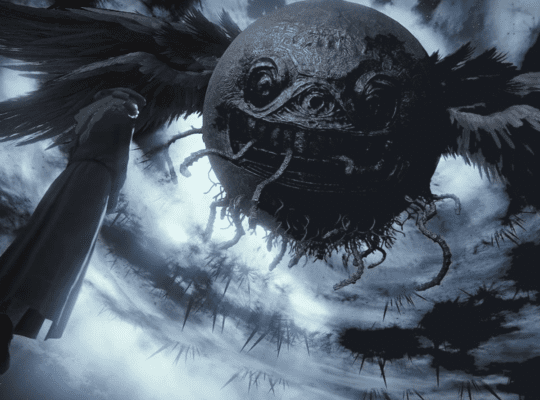
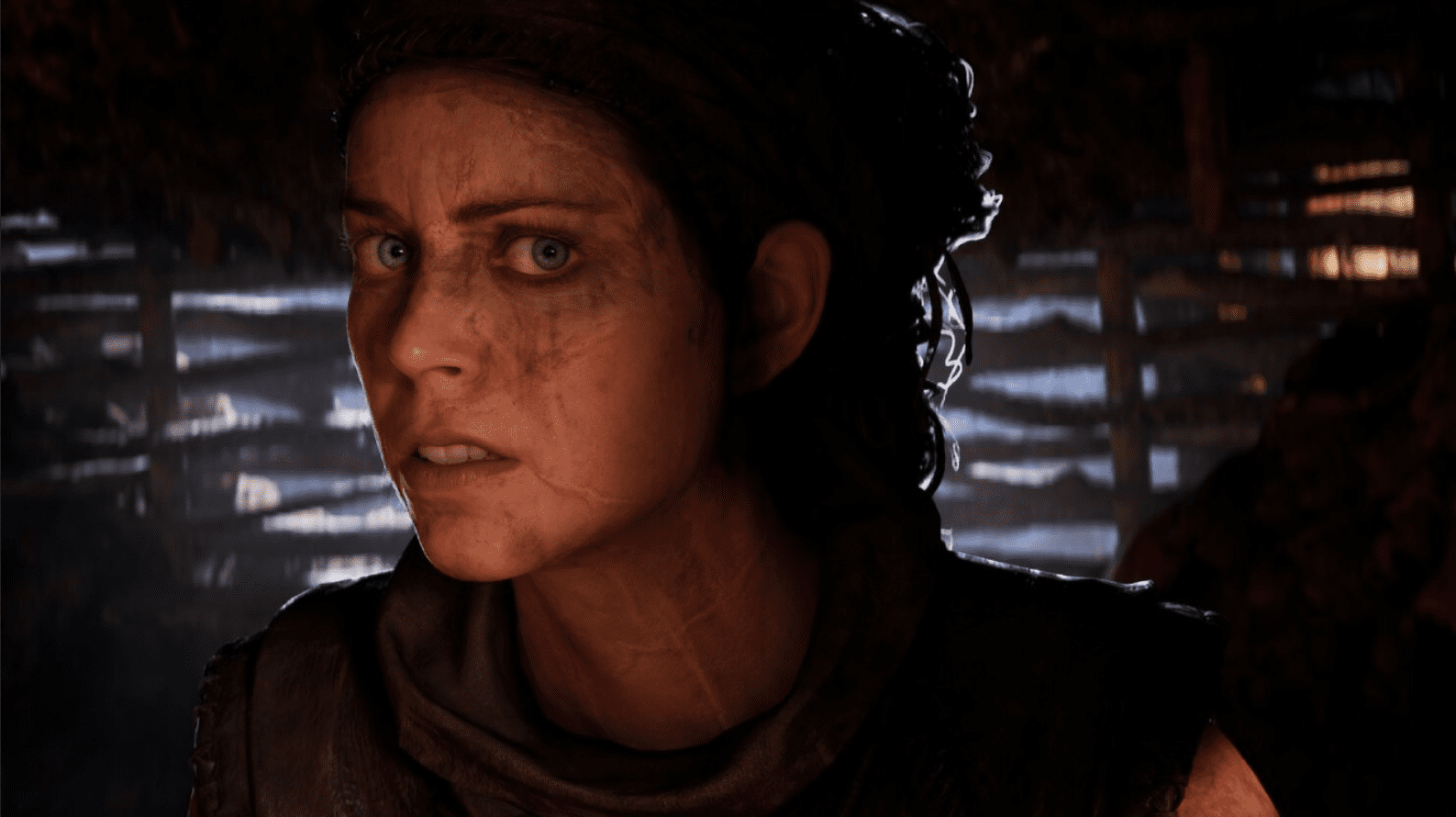
I have been covering Xbox news for years. I have watched studio acquisitions, game reveals, and restructuring cycles come and go. But when Senua showed up at the Xbox Games Showcase on June 7, something felt off immediately. The reveal was quiet. The trailer views were low. And then the report from Stephen Totilo dropped, and everything started to make much more sense.
This is not just another gaming controversy. It touches on something bigger: what game showcases are actually for, who they serve, and whether fans are being given a genuine promise or a carefully packaged business pitch.
Let me walk you through everything we know, what it means for Ninja Theory, and why this moment might mark a turning point in how Xbox manages its studios going forward.
What Stephen Totilo’s Report Actually Said
Stephen Totilo runs a newsletter called Game File, and it has become one of the most reliable sources for inside Xbox information. His report stated something significant: Microsoft may have already made decisions about Ninja Theory’s future before Senua was shown to the public.
According to a source familiar with the matter, Xbox leadership believed that showcasing the new game could attract potential investors or buyers who might want to acquire the studio. The goal, at least in theory, was to keep Ninja Theory alive by making it more attractive to outside parties rather than simply shutting it down.
That is a very different framing from what fans see when they watch a game reveal at a major showcase. Most people watching that trailer assumed Senua was an upcoming Xbox exclusive in active development with a committed publisher behind it. The idea that the reveal was partly a commercial signal to potential acquirers rather than a straightforward product announcement is something most viewers would never have considered.
Microsoft and Ninja Theory have not publicly confirmed or denied the claims in the report. That silence itself has fueled more speculation.
The Xbox Restructuring Timeline Nobody Is Talking About Clearly
To understand what is happening with Ninja Theory, you need to understand the broader pattern inside Xbox over the last few years. This is not an isolated event. It is one chapter in a much longer story of restructuring, repositioning, and quiet exits.
Pull up the Xbox org chart from 2022 and compare it to what exists today. The differences are significant. Executives who held prominent roles have departed. Teams that were building ambitious projects have been reorganized or dissolved. Studios that were acquired with great fanfare have either been folded into other teams or shut down entirely.
Tango Gameworks, the studio behind Hi-Fi Rush, was shut down in 2024 despite the game receiving widespread critical praise. Arkane Austin was closed around the same time. These decisions shocked many in the industry because both studios had recently shipped games that performed reasonably well by critical measures.
The closures made clear that Microsoft was applying a financial lens to its studio portfolio that went beyond typical critical reception metrics. Sales figures, Game Pass engagement numbers, and overall return on investment appear to weigh heavily in these decisions.
Against that backdrop, the situation at Ninja Theory starts to look less like an isolated report and more like part of an ongoing evaluation of which studios remain financially viable within Microsoft’s structure.
Why the Senua Reveal Raised Red Flags From the Start
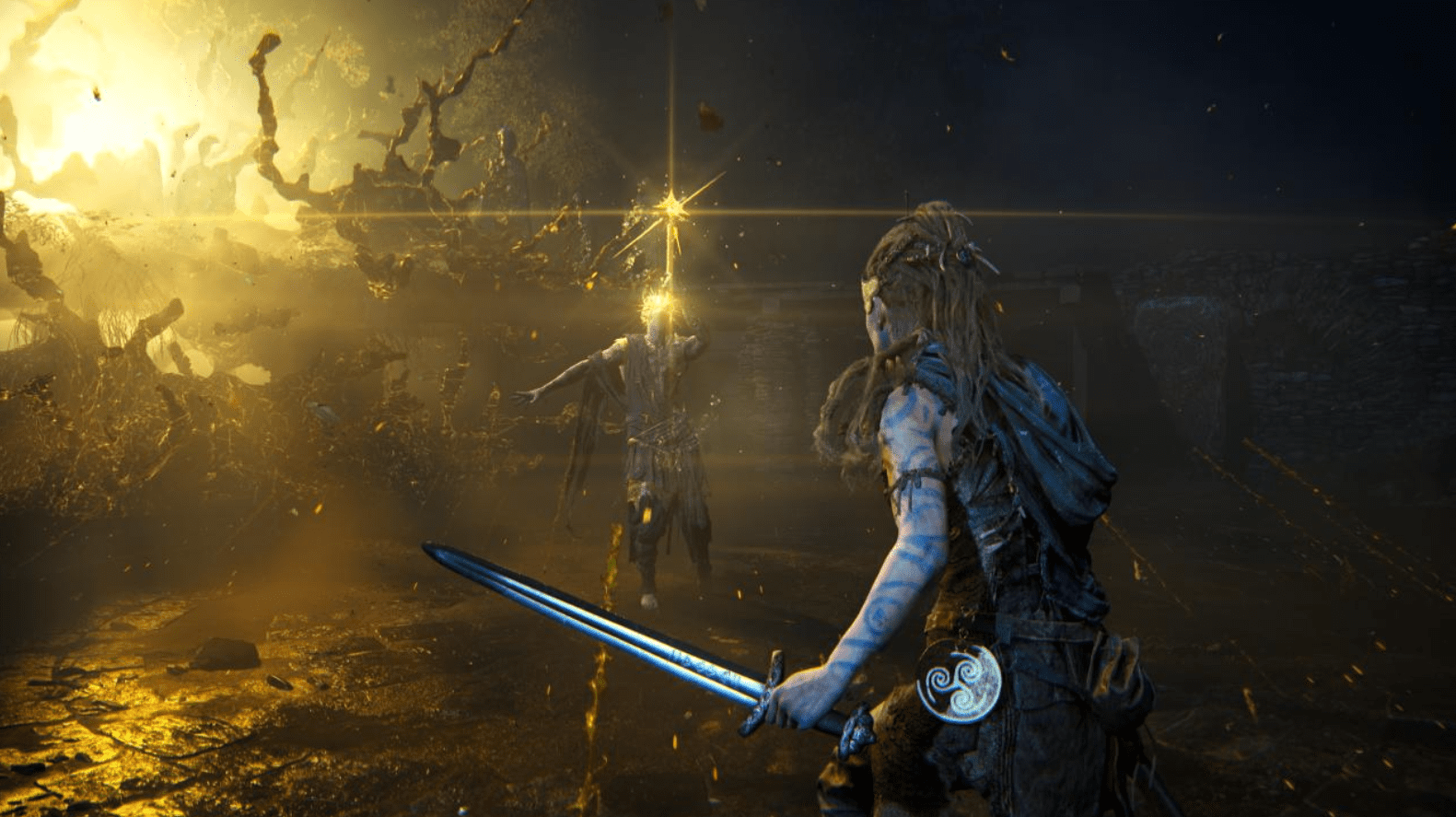
When Senua was shown at the Xbox Games Showcase, several things stood out to people who pay close attention to how game reveals typically work.
First, the title itself departed from the established franchise name. Hellblade and Hellblade: Senua’s Sacrifice built a recognizable brand over years. Hellblade II: Senua’s Saga continued that brand in 2024. Calling the new project simply Senua strips away the Hellblade name entirely. That is not a small decision. Brand continuity in game franchises matters enormously for search visibility, fan recognition, and commercial positioning.
Dropping a well-known franchise name mid-series typically signals one of a few things: a major creative pivot, an attempt to attract a new audience unfamiliar with the previous entries, or a deliberate rebranding ahead of a potential sale or licensing arrangement. None of those explanations align with a studio simply excited to show its next game.
Second, the trailer performed below what you would expect for a follow-up to a franchise like Hellblade. I watched the view counts across both the official Xbox and Ninja Theory channels in the days after the reveal. The numbers were a fraction of what major game reveals typically generate. Even modest announcements from well-known franchises tend to pull significantly more attention. The Senua trailer did not land the way a confident studio reveal usually does.
Third, multiple observers noted that the trailer felt more like a tech demo or a pitch reel than a traditional game announcement. The visual quality was high, but the gameplay context was minimal. That is consistent with something assembled to demonstrate potential rather than to showcase a product nearing completion.
Did Ninja Theory’s Own Developers Know What Was Happening?
This is the question that troubles me most about this entire situation, and it is the one Totilo’s report explicitly raised without resolving.
If the showcase was arranged partly as a vehicle to attract buyers, and the developers building Senua were unaware of that context, then the people who poured creative energy into the project were working under a fundamental misrepresentation of what their work was being used for.
Game development is an intensely personal process for many people who work in it. Building a pitch reel to attract investors while your team believes they are making a game for players is an enormous ethical gap. And for developers who might have been weighing other job offers or life decisions based on the assumption that Senua was a committed project, that information gap carries real consequences.
On the other hand, if studio leadership was brought into the plan and understood the commercial rationale behind the showcase, the situation becomes a calculated risk rather than a deception. Leadership betting that a public reveal could save jobs by attracting buyers is a different scenario morally, even if fans were still not given the full picture.
We do not know which scenario is true. That uncertainty is part of what has made this story resonate so strongly with people inside and outside the industry.
What Game Showcases Actually Are and What Fans Think They Are
This gets to something I think about a lot when covering major gaming events. There is a significant gap between how studios and publishers use showcases and how fans experience them.
For fans, a major showcase like the Xbox Games Showcase is a window into the future of games they care about. When a studio puts a game on that stage, most viewers interpret it as a signal of genuine commitment: this game is coming, the platform holder believes in it, and it will reach players.
For studios and publishers, showcases serve multiple purposes simultaneously. They generate marketing attention, yes. But they also function as internal morale tools, recruiting signals to attract talent, and in some cases, as proof of concept materials for investors or board members. A high-profile announcement can shift how a project is perceived inside a company, unlock additional internal funding, or make a studio more attractive on the open market.
None of those secondary purposes are inherently wrong. Developers using announcements to attract talent is a normal part of how large games get built. But when a reveal is used primarily as a business development tool rather than a genuine product announcement, and that purpose is hidden from fans who are investing emotional energy in the game, the relationship between studios and their audiences gets damaged.
Gaming history has a long list of announced games that never arrived. From games shown at E3 years before disappearing quietly to projects cancelled mid-development after significant fan investment, the pattern of announcements that lead nowhere has worn down trust in a way that makes the Ninja Theory situation feel particularly raw.
The Job Market Reality Behind This Story
There is a human dimension to this that deserves more attention than it typically gets in coverage of studio closures and restructurings.
The gaming industry has shed tens of thousands of jobs over the last two years. That is not a hypothetical risk. It is a documented reality. Studios at companies of all sizes have faced layoffs, and many experienced developers with impressive credits are currently searching for their next position.
When Microsoft shuts down or sells a studio, the people who worked there do not simply land somewhere comfortably. They enter a job market that is already saturated with talented individuals competing for a limited number of openings. The bigger a studio closure, the more pressure it adds to a market that is already struggling to absorb available talent.
From that angle, an argument can be made that showing Senua to attract a buyer was genuinely in the interest of Ninja Theory’s workforce. If a sale preserves jobs and keeps the studio operating under new ownership, the reveal served a real protective purpose even if the communication around it was imperfect.
That argument has merit. The problem is that it relies entirely on the plan actually working. If a buyer does not materialize, Ninja Theory’s staff are in no better a position than they would have been otherwise, and the studio’s fanbase has been given hope that may not be fulfilled.
Hellblade as a Franchise and Why Losing Ninja Theory Would Matter
People who care about the Hellblade series are watching this situation with particular concern, and I understand why. The Hellblade games are genuinely unusual in what they try to do.
Senua’s Sacrifice tackled psychosis with a level of care and collaboration with mental health professionals and people with lived experience that was rare in the medium. The audio design, the way voices were used to simulate intrusive thoughts, was critically praised and highlighted in conversations about how games can represent mental health authentically. Hellblade II continued that visual and thematic ambition with a production quality that exceeded what most players expected from a mid-sized studio.
Ninja Theory occupies a specific space in Xbox’s first party portfolio. It is not a studio making blockbuster open world games or competitive multiplayer titles. It makes narrative-driven, artistically ambitious games with smaller but deeply engaged audiences. Those studios are exactly the kind that tend to get cut first when financial pressure increases, because their value is harder to express in spreadsheet terms.
Losing Ninja Theory would not just mean losing the people who work there. It would mean losing the institutional knowledge, creative relationships, and specific approach to storytelling that produced those games. That is not easily replicated by another studio picking up the franchise rights.
What Microsoft’s Silence Actually Communicates
In situations like this, what a company chooses not to say is often as informative as what it does say.
Microsoft has not confirmed that it planned to use the Senua reveal as an investor signal. It also has not denied it. It has not issued a statement reassuring Ninja Theory’s fanbase that the studio is secure, or that Senua is a game with a committed path to release. The silence is not neutral. It suggests that any direct statement would either confirm something damaging or commit Microsoft to a position it is not ready to take.
That communication pattern is familiar from other studio situations that eventually ended in closure or sale. Companies tend to say the least possible until a decision is finalized. By that point, the news lands without any of the context that might have allowed the community to process it more constructively.
Controller Button Layout Guide for Senua and Hellblade Series on PC and Xbox
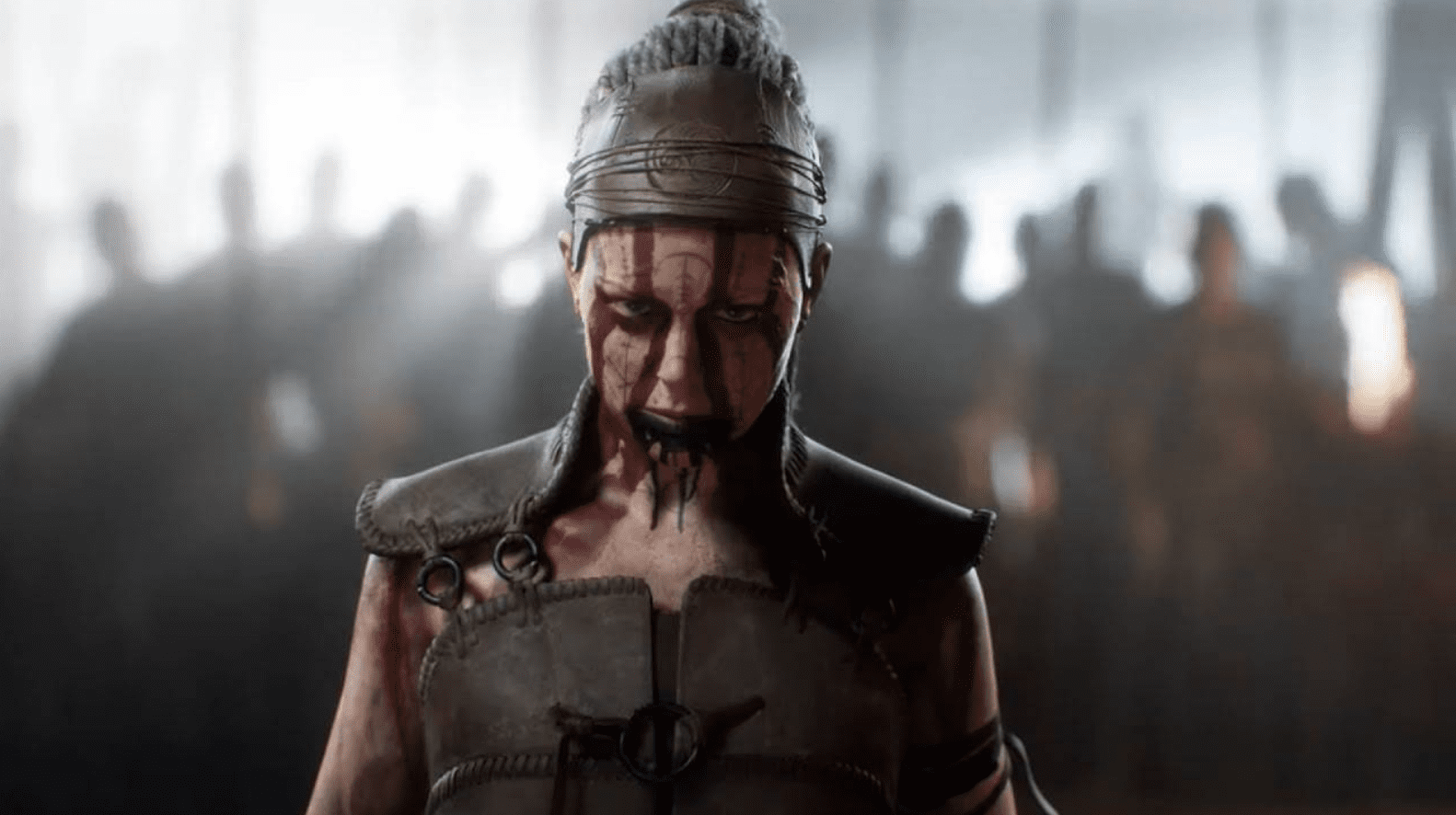
For players who want to experience the Hellblade series or who are preparing for Senua, understanding the control scheme matters because these games use their controls deliberately as part of the storytelling experience. The way focus, combat, and environmental interaction are mapped reflects the games’ design philosophy.
Here is a full breakdown of the control layout as it applies to the Hellblade series on Xbox controller and PC keyboard configurations. While Senua has not released, the layout draws from established Hellblade II controls as a reference baseline.
Xbox Controller Layout
| Button | Action | Context |
|---|---|---|
| Left Stick | Move / Navigate | Controls directional movement across environments |
| Right Stick | Camera Control | Rotates the camera around Senua |
| Left Stick Click (L3) | Sprint | Press while moving to run |
| Right Stick Click (R3) | Focus / Concentration Mode | Activates Senua’s Focus, slowing time briefly in combat |
| A Button | Dodge / Evade | Rolls away from enemy attacks; directional with left stick |
| B Button | Interact / Grab | Contextual interaction with objects and environmental puzzles |
| X Button | Light Attack | Fast strikes with lower damage output |
| Y Button | Heavy Attack | Slower, high damage strikes that break enemy guard |
| LB (Left Bumper) | Block / Parry | Hold to guard; time precisely to parry and open counterattack |
| RB (Right Bumper) | Special Attack / Kick | Unlocks after specific combat sequences; varies by situation |
| LT (Left Trigger) | Lock On / Target | Locks camera and movement toward the nearest enemy |
| RT (Right Trigger) | Attack Modifier | Held with X or Y for charged or combo attacks |
| D-Pad Up | Foresight Ability | Activates a brief environmental awareness pulse |
| D-Pad Down | Not Used in Core Loop | Reserved in some builds for quick access menus |
| D-Pad Left / Right | Not Used in Core Loop | Occasionally mapped to audio or accessibility options |
| View Button (Back) | Open Menu / Pause | Accesses settings and audio options |
| Menu Button (Start) | Pause / Game Menu | Pauses gameplay and opens the pause screen |
PC Keyboard and Mouse Layout
| Key / Input | Action | Context |
|---|---|---|
| W A S D | Movement | Standard directional movement |
| Mouse Move | Camera | Controls camera direction and look |
| Left Shift | Sprint | Hold while moving to run |
| Left Mouse Button | Light Attack | Fast combat strikes |
| Right Mouse Button | Heavy Attack | Slower but harder-hitting strikes |
| Space Bar | Dodge | Directional roll to avoid incoming attacks |
| F Key | Focus / Concentration | Activates Focus mode in combat |
| Q Key | Block / Parry | Defensive stance; timing triggers a parry |
| E Key | Interact | Contextual interaction with objects and environment |
| Middle Mouse Button | Lock On | Targets nearest enemy for lock-on camera |
| R Key | Special Attack | Context-sensitive ability tied to combat state |
| Tab Key | Open Menu | Settings and audio options |
| Escape Key | Pause | Pause screen and main menu access |
| 1 / 2 Keys | Ability Shortcuts | Quick access to unlocked combat abilities |
Combat Tips Specific to the Hellblade Control System
The parry timing in Hellblade games is tighter than most action games. You cannot hold block and expect it to absorb everything. The game rewards precise timing, and when you land a perfect parry, it creates an opening for a heavy attack that often ends the exchange quickly. Practice parrying on weaker enemies before applying it to the tougher encounters.
Focus mode is best used when you are outnumbered. Activating it when surrounded gives you a brief window to chain attacks before enemies can respond effectively. Burning it on a single opponent is generally a waste. Save it for moments when the numbers are against you.
The lock-on system in Hellblade works differently from most action games. Locking onto one enemy does not mean others stop attacking. You need to manage awareness of your surroundings even when locked on, which is part of what makes the combat feel genuinely threatening rather than turn-based.
On PC, many players prefer the Xbox controller even when playing on a desktop or laptop because the haptic feedback is integrated into the game design. Ninja Theory designed the combat responsiveness around controller inputs, and the tactile difference when parrying or landing a focus-mode kill is noticeable. Both control schemes work, but the controller experience reflects the intended design more closely.
The Broader Question About What Xbox’s First Party Future Looks Like
Xbox’s first party strategy has shifted significantly since the Bethesda and Activision Blizzard acquisitions. The argument at the time was that more studios would mean more exclusive content and a stronger case for Game Pass subscriptions.
What has actually happened is more complicated. Managing a portfolio of dozens of studios at different stages of development, with different financial profiles and different types of games, has proven harder than the acquisition announcements made it seem. Some of those studios are thriving. Others are struggling to find their place in a structure that has different incentives than the independent publishing environment they originally operated in.
Ninja Theory’s situation reflects that tension directly. The studio made award-worthy, artistically distinctive games that did not generate the kind of commercial scale that justifies its position inside one of the largest technology companies on earth. That is not a criticism of the games. It is a description of the mismatch between what Ninja Theory makes and what Microsoft’s internal metrics reward.
Whether a sale or spin-off could solve that mismatch depends entirely on who might acquire the studio and what they intend to do with it. A publisher focused on mid-budget narrative games could be a genuinely good fit. A larger publisher looking to add a development resource to a bigger project pipeline could result in the studio losing the creative identity that made it worth acquiring in the first place.
What Fans Can Actually Do
I get asked this question a lot when studios face uncertain futures: what can fans do to help? The honest answer is that direct commercial pressure is the most meaningful lever available to people outside the industry.
Playing and buying games from studios you want to see continue is the clearest signal. Hellblade II is available now on Xbox and PC. If you have not played it, this is a concrete moment to do so. Review and discussion activity on platforms like Steam, Reddit, and YouTube also contributes to the visibility of a franchise in ways that can influence how publishers evaluate ongoing interest.
Expressing opinions directly to Microsoft through their official feedback channels matters less than it might seem in the short term, but consistent community pressure does appear to influence how platform holders handle announcements and communication, even if it rarely reverses specific business decisions.
Following credible journalists who cover the industry with sourced reporting, rather than relying on speculation, also helps. Totilo’s report is worth reading in full. Game File is one of the better sources for inside Xbox information that is grounded in actual reporting rather than rumor amplification.
What the Senua Situation Tells Us About Modern Game Development
The intersection of business strategy and creative development has always been complicated in games. Publishers and developers have always operated with different priorities, and the history of the medium is full of creative projects that did not survive contact with commercial realities.
What feels different about this moment is the scale and speed of it. The number of studios affected, the pace of restructuring, and the visibility of the decisions through social media and industry reporting have made what were once quiet back-office business conversations into public events that fans and observers can respond to in real time.
That visibility is not entirely bad. It has created accountability that did not exist when studios quietly folded without public explanation. But it has also created an environment where game reveals, once straightforwardly exciting moments for players, now carry the possibility of meaning something quite different behind the scenes.
When I watch the next Xbox showcase, or any major gaming event, I will think about the Ninja Theory situation. Not because I assume every reveal has a hidden commercial purpose, but because this episode has made clear that the relationship between what appears on stage and what is actually happening inside a studio can be more complicated than the presentation suggests.
Fans deserve that clarity. Developers deserve it even more.
What Happens Next for Ninja Theory
The most realistic scenarios for Ninja Theory at this point fall into a few categories:
A sale to an interested publisher or investor group is the outcome the reported strategy was designed to achieve. If a buyer exists and the terms work for Microsoft, this is the best available result for Ninja Theory’s workforce and for the Senua and Hellblade franchises. The studio continues, the projects continue, and the people who built the games keep working on them.
A spin-off or management buyout is a less commonly discussed option but not impossible. Some Microsoft studios have explored arrangements where leadership acquires the studio independently with outside investment. This preserves the creative team and institutional knowledge while removing the studio from Microsoft’s portfolio in a way that does not result in closure.
A quiet winding down, with some staff absorbed into other Xbox studios and others let go, is the outcome many are worried about. This would likely mean the Senua project does not reach completion, at least not in its current form, and the Hellblade intellectual property would sit dormant inside Microsoft’s catalog.
The least likely outcome at this point, given the weight of reporting and the pattern of Xbox’s recent decisions, is a clear statement from Microsoft that Ninja Theory is secure and Senua is a fully committed project moving toward release.
I hope to be wrong about that last point. Ninja Theory has made games that matter. Senua as a character has resonated with people in ways that go beyond typical franchise attachment. The studio deserves a future that allows it to keep doing what it does well.
But hope is not a strategy, and the business reality here is real. What happens next depends on factors that none of us outside Microsoft’s walls can see clearly. What we can do is pay attention, support the work that already exists, and hold platform holders accountable for how they communicate with the people who care about their games.
Sources and Further Reading
For deeper context on the issues covered in this article, the following sources provide useful background:
- IGDB Game Database for Hellblade and Ninja Theory release history
- GamesIndustry.biz for ongoing coverage of studio closures and industry employment trends
- Eurogamer for reporting on Xbox’s restructuring and studio status
- NHS Psychosis Information for context on the mental health themes central to the Hellblade series
- Take-Two Interactive Investor Relations as an example of how publicly traded game companies disclose studio acquisition activity