I have been following the Atomic Heart series since the first game launched, and I will admit I went in expecting a fun but slightly rough Soviet themed shooter. What I got was a world that felt half finished in some areas and incredibly detailed in others. So when Mundfish finally pulled back the curtain on Atomic Heart 2, my first reaction was relief. It looks like the studio actually listened to the criticism the first game received, and it is now trying to build something far bigger than a single research complex.
This article goes through everything that has been officially shown about Atomic Heart 2 so far, including the release window situation, story connections to the first game, the new combat system, world design changes, platform availability, and the wider Atomic Universe that Mundfish appears to be building. At the end, there is also a full breakdown of the PC and Xbox controller layout based on the original game, since Atomic Heart 2 has not published its own control scheme yet but will almost certainly follow a similar structure.
A Quick Recap: What Happened in the First Atomic Heart
Before getting into everything new, it helps to remember where the story actually left off, especially since Atomic Heart 2 is building directly on these events rather than starting fresh.
The first Atomic Heart took place in an alternate version of the Soviet Union, in a timeline where robotics and AI advanced far beyond what actually happened in real history. Players controlled Major Sergey Nechaev, known as P-3, a special agent sent to investigate problems at Facility 3826, a massive research complex run by the brilliant but unstable scientist Dmitry Sechenov.
Things went wrong quickly. A network called Kollektiv, designed to connect every robot and machine in the country, malfunctioned and turned much of the facility’s robotic workforce hostile. P-3 spent most of the game fighting through the facility, uncovering Sechenov’s experiments, and dealing with an AI assistant called CHAR-les, who slowly revealed himself to be far more dangerous than he initially appeared.
The DLC expansions, Annihilation Instinct and Trapped in Limbo, expanded on this story further, introducing new areas, new enemies, and additional twists involving Sechenov, CHAR-les, and the wider Kollektiv network. By the end of these expansions, the stage was clearly set for a much larger conflict, one that could no longer be contained within a single facility.
This is the exact point where Atomic Heart 2 picks up, and it is part of why the sequel’s expanded scope makes sense from a story perspective rather than feeling like a random change of direction.
Why the Original Atomic Heart Became a Cult Favorite
It is worth talking about why the first Atomic Heart built such a dedicated fanbase in the first place, since that context explains why expectations for the sequel are so high.
The retro futuristic Soviet setting was unlike anything else on the market. Bright propaganda posters, strange robotic designs, and a world that felt both familiar and completely alien gave the game a visual identity that stood out immediately in trailers and screenshots.
The polymer glove abilities also gave combat a unique flavor. Being able to freeze enemies, electrocute groups of robots, or pull weapons toward you mid fight added a layer of creativity that a lot of shooters do not bother with. Even when the broader systems did not always click together perfectly, individual moments of combat could feel genuinely satisfying.
On top of that, the game was not afraid to be strange. Side conversations, environmental storytelling, and unexpected story beats gave the world a sense of personality. For a debut title from a relatively new studio, that combination of style, creativity, and ambition was enough to earn Atomic Heart a loyal following, even with its rough edges.
Atomic Heart 2 Release Date: What We Actually Know
Let us start with the question everyone asks first. As of right now, Atomic Heart 2 does not have an official release date. The Steam page lists the release window simply as To Be Announced, and Mundfish has not given fans a specific month or even a confirmed year.
There have been a number of rumors floating around suggesting a possible 2026 launch, but none of these come from Mundfish directly. Given how much new content was shown in the reveal trailer, including new traversal mechanics, a redesigned combat system, and an expanded world, it would not be surprising if the game needs more time in development. Studios that try to expand the scope of a sequel this dramatically often need extra time to make sure all the new systems actually work together.
If you want to stay updated on the official release date, the most reliable source is the Steam store page itself, since Mundfish tends to update it directly rather than relying only on social media announcements.
The Summer Game Fest 2025 Reveal Changed the Conversation
What makes Atomic Heart 2 different from most early sequel announcements is that it is not just a logo and a vague teaser. The game made its first major public appearance at Summer Game Fest 2025, and the trailer shown there gave players an actual look at gameplay, environments, and tone.
From the first few seconds, it was obvious this was not going to be a simple visual upgrade of the original. The pacing felt faster. The camera work felt more cinematic. And the environments shown were noticeably more varied than anything in the first Atomic Heart. For a series that built its identity around one massive but contained facility, seeing open skies, large cities, and underground networks in the same trailer was a clear signal of intent.
I rewatched the trailer a few times after it dropped, mostly because there was so much packed into it. Every time I went back, I noticed something new, whether it was a background detail in the city scenes or a quick flash of a new ability during combat. That alone tells me Mundfish put a lot of thought into the reveal rather than rushing something out for hype purposes.
Beyond Facility 3826: A Much Larger World
The original Atomic Heart kept players almost entirely inside and around Facility 3826, a massive Soviet research complex filled with robots, experiments, and increasingly unstable AI systems. The atmosphere inside that facility was genuinely impressive, with detailed corridors, eerie labs, and a strong sense of isolation.
The problem was that the world often felt bigger in concept than it actually was in practice. You could see distant structures and sprawling landscapes, but most of the actual gameplay stayed within a fairly limited set of areas.
Atomic Heart 2 seems determined to fix that. Based on the trailer, the threat is no longer contained to one complex. Instead, the story appears to follow the Kollektiv network as it spreads into cities, underground facilities, and other regions entirely separate from Facility 3826. This is a big shift, and if Mundfish pulls it off, it could completely change how players experience the world compared to the first game.
Heavier RPG Mechanics Take Center Stage
One of the clearest changes coming to Atomic Heart 2 is a much stronger focus on RPG mechanics. The first game had progression systems, but they mostly existed to support the shooting. Weapons got stronger, gloves got new abilities, and that was largely it.
This time around, Mundfish appears to be treating Atomic Heart 2 as a true role playing experience first, with the shooter elements built around that foundation rather than the other way around. Character development, ability customization, and weapon progression all seem to be getting significantly more depth.
From what has been shown, players will likely be able to specialize in different directions. Someone who wants to focus heavily on melee combat using P-3’s polymer gloves should feel meaningfully different from someone who builds around ranged weapons or utility abilities. That kind of build variety is something a lot of action RPG fans specifically look for, and it is an area where the first Atomic Heart was fairly limited.
The Story Picks Up Directly From the First Game and Its DLCs
This is one detail that I think gets overlooked in a lot of early coverage. Atomic Heart 2 is not treating itself as a fresh starting point. The story continues directly from the events of the original game and its expansions, including the Annihilation Instinct and Trapped in Limbo DLCs.
That means the Kollektiv crisis, Sechenov’s plans, the ongoing struggles of P-3, and the growing threat of CHAR-les are all still active threads heading into the sequel. If you played the first game and its DLCs, you already have a head start on understanding what is happening.
Major Sergey Nechaev, known to most players as P-3, remains at the center of the story. However, based on everything he went through in the original campaign and its expansions, it seems very unlikely he will be the same character players remember. His relationship with the world, with Kollektiv, and possibly with his own sense of identity all appear set to change in significant ways.
CHAR-les and the Expanding Kollektiv Threat
If there is one element from the first game that feels like it has the most room to grow, it is CHAR-les. The artificial intelligence already caused serious damage during the events of the original Atomic Heart, but its influence was largely tied to Facility 3826 and its surrounding network.
Now that Atomic Heart 2 appears to expand the Kollektiv network into cities and other regions, the potential reach of CHAR-les becomes far more dangerous. An AI threat that can influence an entire city, or multiple connected regions, is a very different kind of antagonist compared to one limited to a single complex.
This also fits with the broader themes the sequel seems to be exploring, which lean more into the dangers of unchecked technological control rather than just a straightforward robot uprising.
The Ballerina Twins Are Back, and They Look More Important
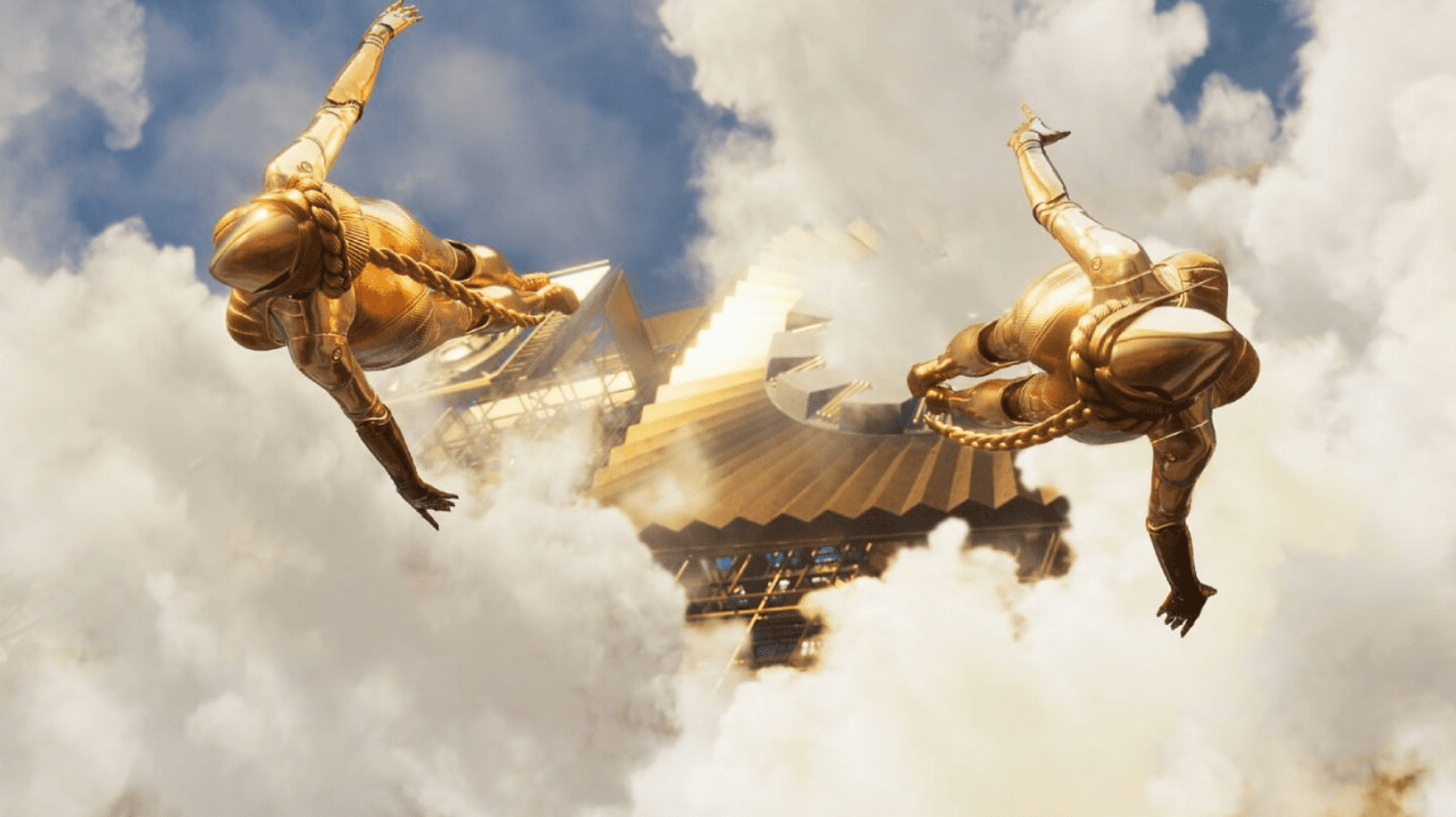
The Ballerina Twins quickly became some of the most recognizable characters from the first Atomic Heart, thanks to their unsettling design and memorable boss encounters. They are confirmed to return in Atomic Heart 2, and based on the trailer, they have received a noticeable visual upgrade.
The amount of attention given to them in the reveal trailer suggests they may play a larger role in the story this time, rather than appearing primarily as memorable but isolated encounters. For fans of the series, this is likely to be one of the most talked about character returns.
A Darker, More Grounded Tone
The first Atomic Heart had a distinct retro futuristic Soviet aesthetic, mixing bright colors with unsettling robotic designs. Much of that game took place in forests, experimental facilities, and isolated research centers.
Atomic Heart 2 appears to be shifting that mood. Instead of isolated facilities, the trailer shows large cities, underground complexes, and clear signs of societal breakdown. The world feels less like a contained science experiment gone wrong and more like a society dealing with the long term consequences of unchecked technology.
This points toward themes like political corruption, hidden networks, and the darker side of technological progress, rather than simply focusing on robots turning against humans. If Mundfish leans into this direction, it could give the story a more grounded and unsettling tone compared to the original.
A New Two Handed Combat System
Combat is one of the areas getting the most attention in Atomic Heart 2, and the headline change is a new two handed combat system. In the first game, switching between weapons and polymer glove abilities sometimes felt a little disconnected, like you were managing two separate toolkits rather than one combat system.
The new system appears designed to let players use weapons and polymer abilities together in real time, rather than switching back and forth. Based on the trailer, this means you could be holding a weapon in one hand while actively using a glove ability with the other, blending ranged attacks, crowd control, and melee in the same sequence.
The goal here does not seem to be making combat look flashier for its own sake. The first game already had interesting individual mechanics, but they did not always feel like part of one cohesive system. If Mundfish manages to make every weapon, ability, and movement option feel like it belongs in the same combat language, encounters could end up feeling much more strategic and responsive than before.
How Combat Changes Affect Character Builds
This new combat approach ties directly into the heavier RPG focus mentioned earlier. If players have multiple build paths, the way combat plays out should change depending on those choices.
A player who invests heavily into melee combat and polymer abilities should approach a fight very differently from someone who builds around ranged weapons and utility powers. In the first game, this kind of distinction existed but was fairly subtle. In Atomic Heart 2, it sounds like Mundfish wants these differences to be much more noticeable, both in how combat feels and in how players approach exploration and enemy encounters.
World Design: Bigger, But Not Just Open World for the Sake of It
One of the more interesting clarifications about Atomic Heart 2 is that, while the world is becoming larger and more open, Mundfish does not appear to be aiming for a traditional open world model filled with repetitive map markers and checklist style objectives.
Instead, the direction seems to be a more expansive, interconnected world that still keeps a strong focus on narrative. This is a smart distinction, because one of the more common criticisms of large open world games is that the world ends up feeling like a collection of icons rather than a place worth exploring.
Based on what has been shown, Mundfish seems to be responding directly to criticism that the first game’s world was not as interactive as it looked. Atomic Heart 2 appears to be adding more side activities, more places worth discovering, and more freedom of movement, particularly in vertical spaces and urban environments.
New Traversal Options Change How the World Feels
The trailer showed off a surprising number of new ways to move through the world, including flying vehicles, parachutes, grappling tools, surfboard style transportation, and even transforming robotic mounts.
This is a big departure from the first game, where movement was largely limited to walking, running, and a few specific traversal sections. Having this many options suggests that exploration itself is becoming a bigger part of the experience, rather than just a means of getting from one objective to another.
From a personal standpoint, this is the change I am most curious about. Traversal options like these only matter if the world is actually designed around using them. A grappling tool is much more interesting in a vertical city than in a flat corridor, and a flying vehicle only makes sense if there is enough open space to justify it. If Mundfish builds the world with these tools in mind from the start, rather than adding them on top of an existing layout, it could make a real difference in how the game feels to play.
The City Could Become the Heart of Atomic Heart 2
Among everything shown in the trailer, the large city environment stands out as potentially one of the most important locations in the entire game. Based on developer comments, this is not meant to be a simple visual backdrop.
Missions, side stories, characters, and major story conflicts are all expected to connect to this city in meaningful ways. If Mundfish wants Atomic Heart 2 to feel like a living world rather than a series of separate levels, a central hub like this could be exactly what ties everything together.
This also gives the developers a natural way to show the broader consequences of the Kollektiv crisis. A city under strain from AI influence, political corruption, and technological collapse is a much more immediate and relatable setting than an isolated research facility, at least in terms of showing how these events affect ordinary people.
Bigger Enemies and More Ambitious Boss Fights
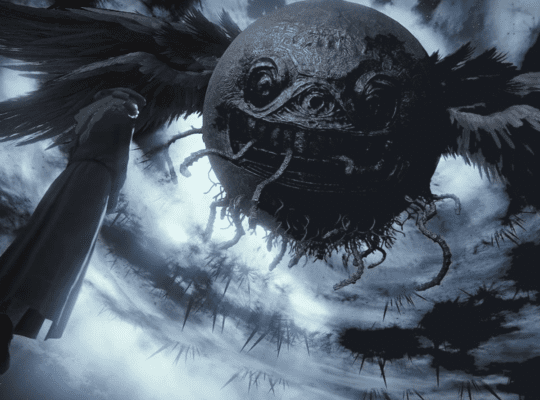
Enemy variety is another area where Atomic Heart 2 looks like it is pushing well beyond the original. The first game already had a strong lineup of creative robotic enemies and mutated creatures, but the sequel’s trailer showed massive creatures, large mechanical threats, and cinematic boss encounters on a noticeably bigger scale.
One particular enormous humanoid figure shown briefly in the trailer suggests that Mundfish is planning for battles that go beyond anything seen in the first game. If these larger encounters are paired with the new two handed combat system and expanded build options, boss fights could end up being some of the most memorable moments in the sequel.
Built on Unreal Engine 5
From a technical standpoint, Atomic Heart 2 is being developed using Unreal Engine 5. This matters for a few reasons. The first Atomic Heart already had a strong visual identity, with detailed lighting and environments that helped sell its retro futuristic setting.
Unreal Engine 5 should allow Mundfish to build on that foundation with denser environments, more detailed lighting, and larger scale cinematic moments. For players who care about visual fidelity, this is likely to be one of the more noticeable upgrades compared to the original game. You can read more about the engine itself directly from Epic Games.
That Queen Song in the Trailer
A small but talked about detail from the reveal trailer was the use of Queen’s Don’t Stop Me Now during one of the gameplay segments. Some fans felt this clashed a little with the unsettling retro futuristic tone the series is known for.
Personally, I do not think this signals any major shift in the series identity. Trailers often use music choices that feel slightly different from the actual in game soundtrack, simply because they are trying to create a specific feeling for a short promotional video. If anything, it might just be a sign that Atomic Heart 2 has moments of high energy action that the developers wanted to highlight in a fun way, without it reflecting the overall tone of the full game.
Platform Availability: PC, PlayStation, and Xbox
Atomic Heart 2 is confirmed for PC, with an active Steam page already live. Console availability has not been fully detailed yet, but given the scale and technical ambition shown in the trailer, the PlayStation 5 and Xbox Series X and Series S are the most likely platforms.
There has been no official confirmation regarding older generation consoles, and given how demanding Unreal Engine 5 titles tend to be, it would not be surprising if Atomic Heart 2 ends up being a current generation only release. For the latest platform details, the official Xbox and PlayStation websites are the best places to check for future announcements.
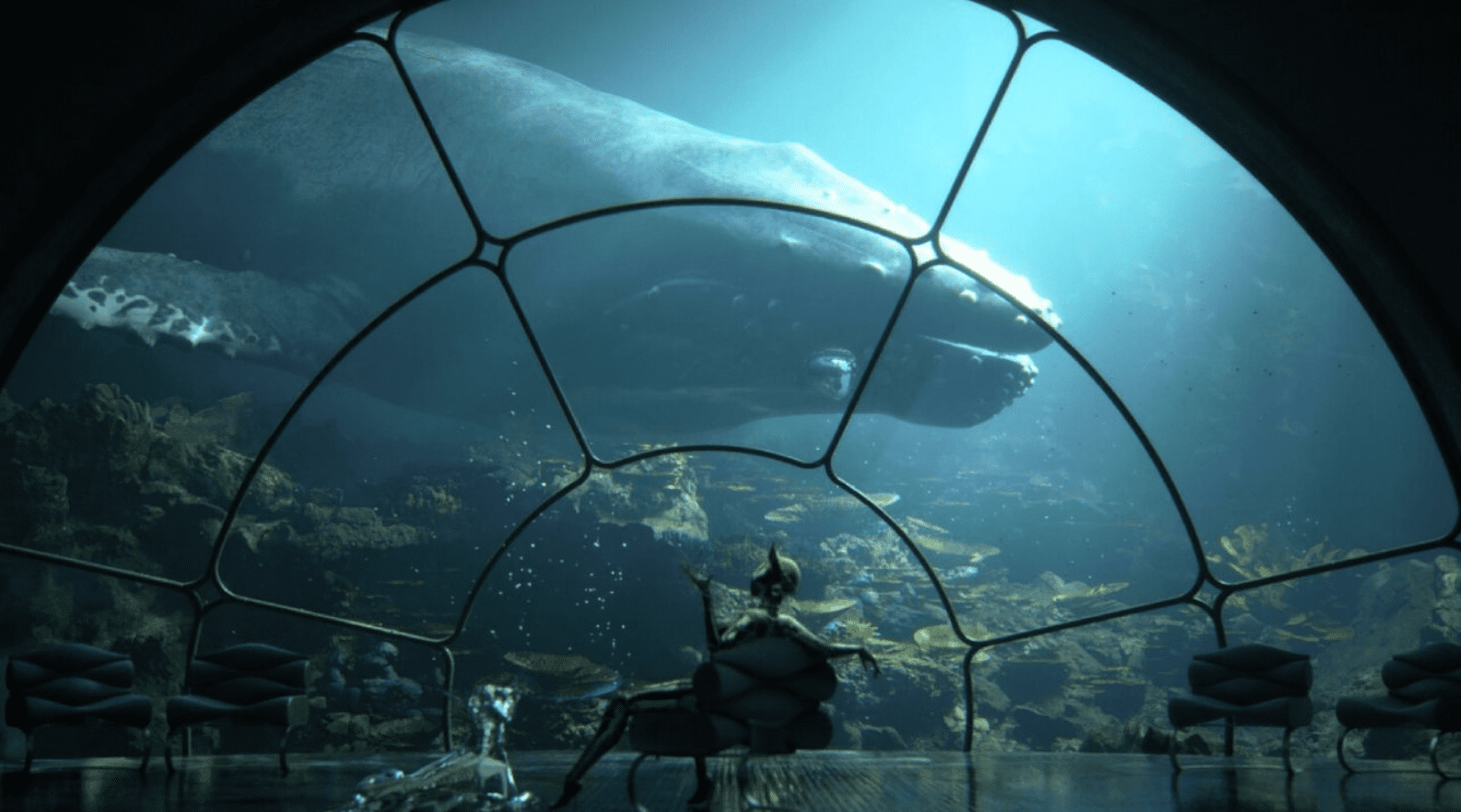
The Cube and the Expanding Atomic Universe
One of the more surprising announcements alongside Atomic Heart 2 is The Cube, a newly revealed MMO RPG shooter set in the same universe. On its own, this might just seem like an interesting side project. But when you look at it alongside the original Atomic Heart, its DLC expansions, and Atomic Heart 2, a clearer picture starts to form.
Mundfish appears to be building toward something bigger than a single franchise. The Atomic Universe seems to be expanding into a connected setting with multiple games, rather than staying limited to one main series. This is a fairly ambitious move for a studio that is still relatively young, but it also suggests long term confidence in the world they have created.
My Honest Take After Following This Series Closely
Having spent a fair amount of time with the first Atomic Heart, including its DLCs, my biggest takeaway from everything shown so far is that Mundfish seems genuinely aware of what worked and what did not work the first time around.
The original game’s atmosphere and originality were never really in question. What held it back for some players was pacing, world structure, and the feeling that certain systems did not fully connect with each other. Atomic Heart 2 appears to be addressing all three of those points directly, through a more interconnected world, deeper RPG systems, and a combat system built around making everything feel like part of one toolkit.
At the same time, trying to improve on this many fronts at once is risky. A bigger world, deeper RPG mechanics, a reworked combat system, larger boss fights, and a more complex story are all ambitious goals individually. Combining all of them into one game is a tall order, and it is the kind of project that benefits from extra development time rather than a rushed release.
If Mundfish gets the balance right, Atomic Heart 2 has the potential to be a significant step up from the original in almost every category. If the scope ends up being too much to manage well, some of these systems could end up feeling underdeveloped, similar to how certain parts of the first game felt larger in concept than they did in practice.
Visual Design and Art Direction Changes
Art direction was always one of the strongest parts of the first Atomic Heart, and the trailer for Atomic Heart 2 suggests Mundfish is building on that foundation rather than starting over. The bright, slightly exaggerated Soviet propaganda aesthetic is still present, but it now shares space with much darker, more decayed environments.
The contrast between clean, idealized propaganda imagery and the crumbling reality underneath it was already a strong visual theme in the first game. Atomic Heart 2 appears to push that contrast further by placing it in larger, more populated settings. Seeing that aesthetic applied to a city, rather than a relatively isolated facility, gives it a different kind of weight. Instead of imagining what society outside the facility looked like, players may actually get to walk through it.
The redesigned Ballerina Twins are a good example of this evolution. Their original design was already memorable, but the more detailed look shown in the trailer suggests Mundfish wants returning elements to feel familiar while also showing clear improvement. If that same approach applies across enemy designs, environments, and characters more broadly, Atomic Heart 2 could end up feeling like a natural evolution of the first game’s style rather than a complete reinvention, which is often the safer and more effective choice for a sequel.
The Role of Sechenov and Other Returning Characters
Dmitry Sechenov was one of the central figures of the first Atomic Heart, acting as both a brilliant scientist and a deeply flawed authority figure whose decisions set much of the story in motion. While Atomic Heart 2 has not confirmed exactly how large his role will be, the fact that the sequel continues directly from the events of the DLCs makes it likely that his influence, or at least the consequences of his actions, will still be felt.
Beyond Sechenov, the first game introduced a number of smaller characters through radio messages, audio logs, and side conversations that helped flesh out the world. If Atomic Heart 2 is genuinely expanding into cities and other regions, there is a strong chance for new characters to be introduced who represent different factions or groups affected by the Kollektiv crisis. This would fit with the broader themes of political corruption and societal collapse that the trailer hints at.
For long time fans, seeing how existing characters like Sechenov are handled, and whether their fates from the DLCs are addressed directly, will likely be one of the more closely watched aspects of the story once more details are revealed.
What New Players Should Know Before Jumping Into Atomic Heart 2
If you are coming into this without having played the first Atomic Heart, you are not necessarily locked out of the experience, but having some background will help. The core idea is straightforward. A Soviet style alternate history where robotics advanced far beyond reality, an AI network called Kollektiv connecting machines across the country, and a central character named P-3 caught in the middle of it all when that network starts to fail.
Playing the first game, or at least watching a summary of its story and DLCs, will make the references in Atomic Heart 2 land much better, especially anything involving CHAR-les, the Ballerina Twins, or Sechenov. That said, based on how the sequel is being framed, with a much larger world and new areas entirely separate from Facility 3826, it seems likely that Mundfish is also keeping new players in mind by giving the sequel its own sense of scale and identity beyond just continuing old plot threads.
For players who enjoyed the combat and atmosphere of the first game but were less interested in its story, Atomic Heart 2 still looks like it offers plenty on that front, with a reworked combat system, new traversal options, and a much larger world to explore regardless of how familiar you are with the lore.
How Atomic Heart 2 Compares to Other Upcoming Action RPGs
Atomic Heart 2 is entering a crowded space. Action RPGs that blend shooting, melee combat, and build customization have become increasingly common, and players now have plenty of options to choose from. What sets Atomic Heart 2 apart, at least based on what has been shown, is the combination of its setting and its combat identity.
Most action RPGs in this space lean either toward fantasy settings or modern military shooters. Atomic Heart 2 keeps its retro futuristic Soviet identity, which immediately separates it visually and tonally from most competitors. Combine that with the polymer glove system, which has no real equivalent in other games, and the sequel has a strong foundation for standing out even in a busy genre.
The bigger question is execution. Plenty of games promise deep RPG systems and strong build variety, but not all of them deliver builds that actually feel different to play. If Atomic Heart 2 manages to make melee focused, ability focused, and weapon focused playstyles all feel genuinely distinct, it could end up being mentioned alongside some of the more respected names in the action RPG space rather than just being compared to its own predecessor.
Accessibility and Difficulty Options: What to Expect
Mundfish has not detailed specific accessibility features for Atomic Heart 2 yet, but it is worth looking at this from the perspective of what the first game offered and what modern players generally expect.
The original Atomic Heart included adjustable difficulty settings, subtitle options, and basic control remapping on PC. Given how much larger and more complex Atomic Heart 2 appears to be, especially with its new two handed combat system, there is a reasonable chance the sequel will need to expand on this.
More complex combat systems often benefit from additional accessibility options, such as the ability to remap left hand and right hand actions independently, adjustable aim assist on consoles, and options to simplify ability inputs for players who find rapid switching difficult. None of this has been confirmed, but it is a realistic area to watch as more information becomes available closer to launch.
Modding Potential on PC
The original Atomic Heart developed a modest but active modding community on PC, with players creating everything from visual tweaks to gameplay adjustments. Given that Atomic Heart 2 is being built on Unreal Engine 5, a widely used engine with strong community tooling, there is a reasonable chance the sequel could see similar interest from modders.
A larger, more interconnected world with deeper RPG systems could actually make Atomic Heart 2 more attractive to modders than the original, since there would be more systems to adjust, more areas to explore, and more build options to rebalance. Whether Mundfish officially supports modding tools remains to be seen, but the underlying engine choice at least leaves the door open.
Full Controller Layout Guide: Atomic Heart on PC and Xbox
Since Atomic Heart 2 has not published its own control scheme yet, this section is based on the confirmed layout from the original Atomic Heart on PC and Xbox. Because Atomic Heart 2 keeps the same core ideas, including weapons, polymer glove abilities, and now an even deeper combat system, it is very likely that the sequel will use a similar layout as its foundation, possibly with extra bindings added for new abilities and traversal tools.
Xbox Controller Layout
- Left Stick: Move the character forward, backward, and side to side
- Right Stick: Look around and aim the camera
- A Button: Jump or vault over obstacles
- B Button: Crouch, with a longer press toggling prone in some areas
- X Button: Reload weapon or interact with objects and items
- Y Button: Switch or cycle through equipped weapons
- Left Trigger (LT): Aim down sights for ranged weapons
- Right Trigger (RT): Fire weapon or perform melee attacks depending on equipped item
- Left Bumper (LB): Activate the currently selected polymer glove ability
- Right Bumper (RB): Throw grenades or use secondary consumables
- D Pad Up, Down, Left, Right: Quickly switch between different polymer glove abilities
- Left Stick Click: Sprint while moving
- Right Stick Click: Melee attack with weapon or fists
- View Button: Open the map
- Menu Button: Open the main pause menu, inventory, and skill trees
PC Controller Layout (Standard Keyboard and Mouse)
- W, A, S, D: Move the character forward, left, backward, and right
- Mouse Movement: Look around and aim
- Spacebar: Jump or vault
- Left Ctrl: Crouch, hold to stay crouched
- Left Shift: Sprint while held
- Left Mouse Button: Fire weapon or perform attacks
- Right Mouse Button: Aim down sights
- R: Reload current weapon
- E: Interact with objects, doors, and items
- F: Activate currently selected polymer glove ability
- Number Keys 1 to 5: Select different weapons from inventory
- Q: Cycle through polymer glove abilities
- G: Throw grenade or consumable item
- Tab: Open inventory and skill menus
- M: Open the world map
- Esc: Open the pause menu
What Might Change in Atomic Heart 2
Given the new two handed combat system and the added traversal tools shown in the reveal trailer, Atomic Heart 2 will almost certainly need to expand on this layout. Some realistic possibilities include:
- A dedicated button or key for grappling tools, separate from the standard interact button
- Additional bindings for vehicle controls, since flying vehicles and surfboard style transportation were both shown in the trailer
- A more detailed ability wheel, allowing quicker access to a wider range of polymer abilities without cycling one at a time
- Possible separate inputs for left hand and right hand actions, to support the new two handed combat system where weapons and abilities are used together
Until Mundfish releases official control documentation, the layout above remains the most accurate reference point, since it reflects the core systems Atomic Heart 2 is building on rather than replacing.
Frequently Asked Questions About Atomic Heart 2
Does Atomic Heart 2 have a release date?
No. As of now, Atomic Heart 2 is listed as To Be Announced on Steam, with no confirmed month or year from Mundfish.
Is Atomic Heart 2 a direct sequel to the first game?
Yes. The story continues directly from the events of the original Atomic Heart and its DLC expansions, including ongoing threads involving P-3, Sechenov, and CHAR-les.
Will Atomic Heart 2 be open world?
It appears to use a more expansive and interconnected world structure rather than a traditional open world filled with repetitive markers. The focus seems to be on narrative driven exploration with more freedom of movement.
What platforms is Atomic Heart 2 coming to?
PC is confirmed through an active Steam page. PlayStation 5 and Xbox Series X and Series S are considered the most likely console platforms, though this has not been officially confirmed.
What engine is Atomic Heart 2 built on?
Atomic Heart 2 is being developed using Unreal Engine 5.
What is The Cube, and how does it relate to Atomic Heart 2?
The Cube is a separately announced MMO RPG shooter set in the same universe as Atomic Heart. Its existence suggests Mundfish is building a wider connected franchise known as the Atomic Universe.
Does Atomic Heart 2 continue after the DLC, or is it a separate story?
It continues directly. Mundfish has confirmed that events from Annihilation Instinct and Trapped in Limbo carry forward into the sequel, so players familiar with those expansions will already understand key parts of the setup.
Will P-3 still be the main playable character?
Yes, Major Sergey Nechaev, known as P-3, is expected to remain the central character. However, his outlook and circumstances appear to have changed significantly compared to the first game.
Is the combat in Atomic Heart 2 changing completely?
Not completely. The core ideas of weapons combined with polymer glove abilities remain, but the new two handed combat system aims to let players use both at the same time more fluidly, rather than switching between them.
Will Atomic Heart 2 support PC mods?
This has not been officially confirmed. The original game saw some community modding activity, and Atomic Heart 2 being built on Unreal Engine 5 could make modding more accessible, but Mundfish has not announced any official tools.
Where to Follow Official Atomic Heart 2 Updates
Because Atomic Heart 2 is still early in its public rollout, official sources are the best way to avoid getting caught up in unconfirmed rumors. The Steam page is currently the most direct source for platform and release information, since Mundfish updates it as new details are confirmed. Console specific announcements are most likely to appear first through PlayStation and Xbox official channels, while technical details about the engine can be tracked through Unreal Engine announcements when Mundfish chooses to share development insights.
Final Thoughts
Atomic Heart 2 is shaping up to be a far more ambitious project than the original game, both in scale and in how its systems work together. The world is expanding well beyond Facility 3826, the story is becoming darker and more connected to real consequences, the RPG mechanics are getting significantly deeper, and combat is being rebuilt around a more unified two handed system.
Whether all of these pieces come together depends heavily on how much time Mundfish takes during development. Based on everything shown so far, the direction is clear and the ambition is obvious. The real test will be seeing how it all plays once the game is finally in players hands.