What the Ryse Son of Rome Remaster Leak Actually Says
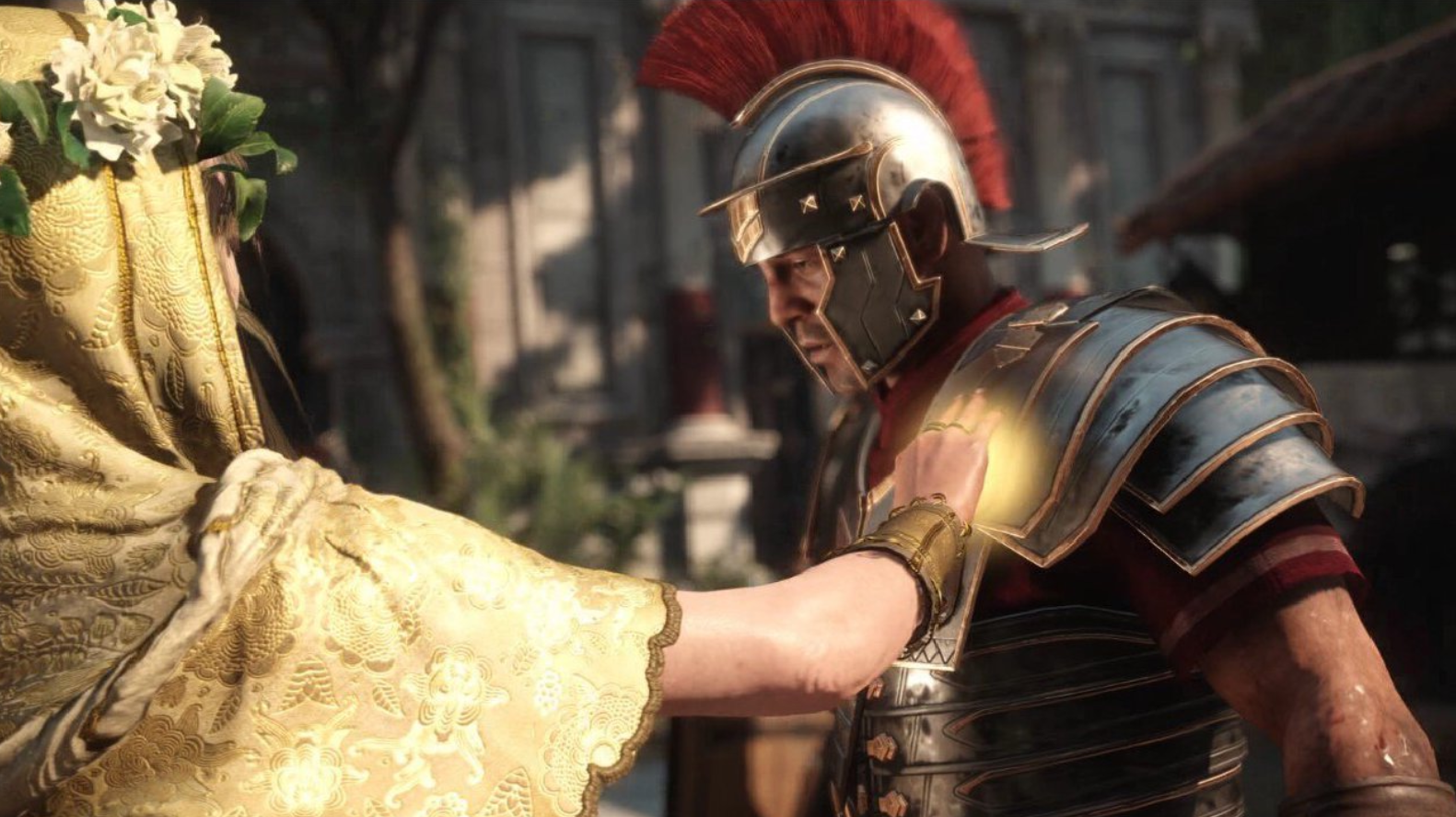
The leak points to Crytek working on a remastered version of Ryse: Son of Rome using their own CryEngine technology. This detail is worth paying attention to. Using CryEngine rather than rebuilding from scratch in Unreal Engine 5 or Unity signals a genuine remaster approach. They are not making a new game from the ground up. They are taking the existing foundation and upgrading what needs upgrading. That means the core combat, story, and structure stay intact. What changes would likely be texture resolution, frame rate targets, shadow quality, particle effects, physics behavior, and platform optimization for current hardware. For a game that already looked extraordinary in 2013, even those targeted improvements could push Ryse into a genuinely stunning visual experience by current standards. No official announcement has come from Crytek. Nothing is confirmed. This is still a leak, and Crytek has not responded publicly. But the context around the leak makes it feel more credible than the many Ryse rumors that circulated and died over the past ten years.Why Crytek Shelved Ryse for So Long
This part of the story gets glossed over a lot. People often frame the lack of a Ryse sequel as Crytek not caring, but the reality was more complicated than that. Crytek went through serious financial turbulence in the years following Ryse. There were reports of unpaid salaries, studio closures, and leadership changes. The company that shipped Ryse in November 2013 was not the same company trying to survive in 2015 and 2016. Sequels require stability. Crytek did not have that. What turned things around was Hunt: Showdown. Released in early access in 2018 and fully launched in 2019, Hunt: Showdown became a genuine success story. It built a dedicated player base, generated consistent revenue, and gave Crytek breathing room. That financial cushion is almost certainly what makes a Ryse remaster possible today in a way it simply was not possible before. Crytek in 2026 is a healthier studio than Crytek in 2014. That context matters when evaluating whether this remaster is something they can actually deliver.Why 2026 Is the Right Time for a Ryse Return
Timing in game releases is everything. A great product at the wrong moment still fails. A decent product that arrives when the market is ready for it can exceed all expectations. Ryse in 2026 has several things working in its favor that simply did not exist a few years ago.Historical Games Are Performing Well Right Now
Kingdom Come: Deliverance 2 exceeded sales expectations and proved that players want realistic historical settings done with care and detail. Assassin’s Creed Shadows sold strongly despite a mixed pre-release period. Total War: Pharaoh and similar titles have maintained healthy player counts. The market for historical games is not shrinking. It is growing. Ancient Rome in particular carries enormous cultural recognition. Movies like Gladiator II brought the setting back into mainstream conversation in 2024. People know what Rome looks like, they know the mythology around legions and senators and emperors, and they are emotionally primed for that world in a way that makes a Ryse remaster land harder than it might have in 2019.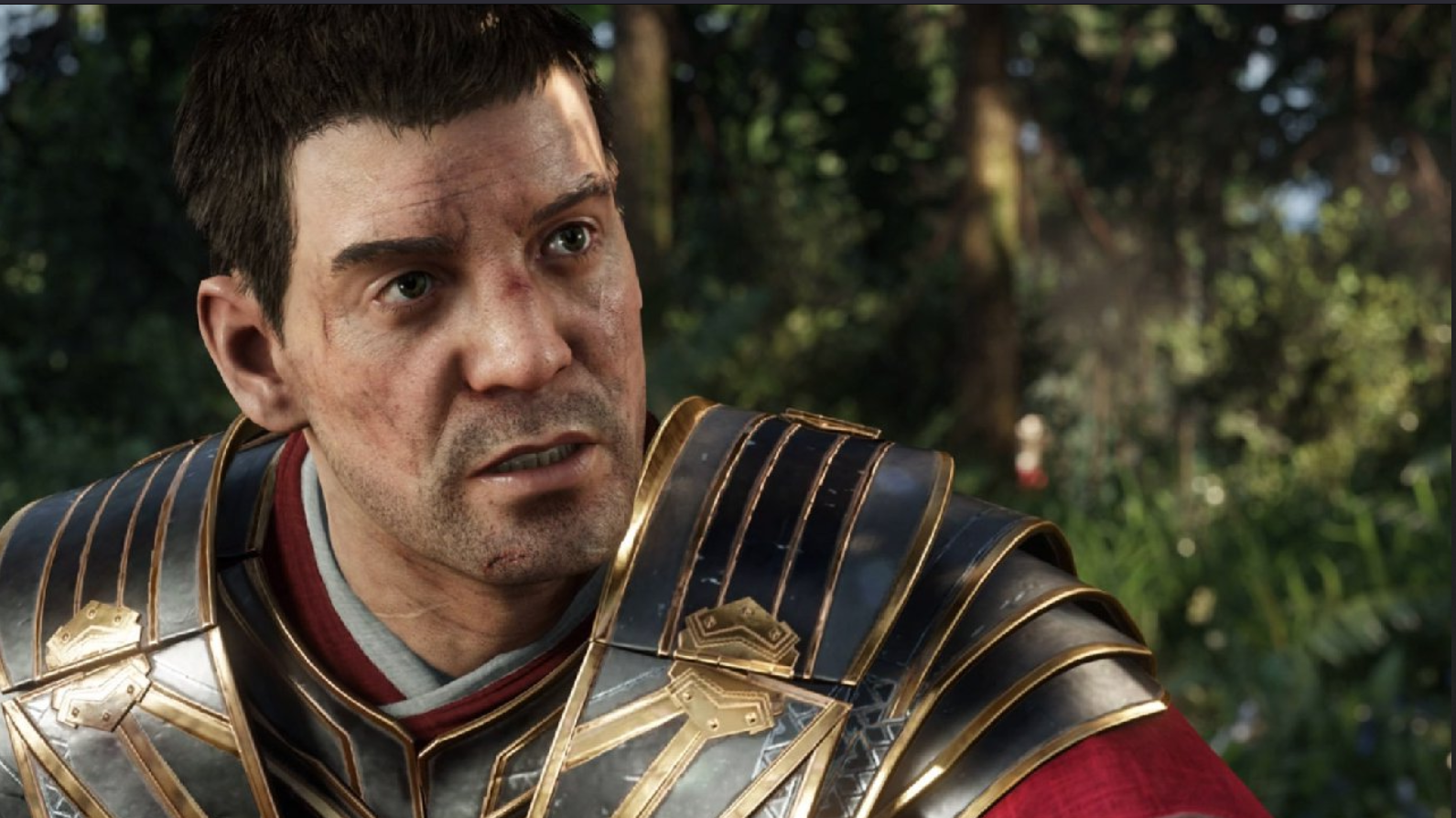
There Is No Real Competition in the Roman Action Space on Console
Think about the direct competitors to what Ryse offered: a third person melee combat game set in ancient Rome with high production values and a cinematic story. I cannot name a current game that occupies that space. Assassin’s Creed touches Rome but wraps it in stealth and open world systems. Total War is a strategy game. There is no direct rival. That kind of clear market position is rare. Ryse would not be entering a crowded genre. It would be arriving as the only game doing what it does at a high level.The Remaster Strategy Before a Sequel Makes Business Sense
Multiple studios have used this exact playbook. Release a remaster to gauge interest, collect a new round of sales, introduce the IP to players who missed it, and use the reception to justify sequel development. Dead Space did it. The Last of Us did it. Resident Evil did it repeatedly. If Crytek is planning a Ryse sequel, remastering the original first is the logical opening move.What Made the Original Ryse Worth Remembering
Critics in 2013 were not entirely wrong about their complaints. The combat system did become repetitive over a full playthrough. Enemy variety was limited. The story, while engaging in its opening hours, did not fully stick the landing. Those are legitimate criticisms. But here is what critics undervalued: Ryse had a sense of place and weight that very few games manage. Walking through the streets of Rome, watching the city breathe around you, standing in formations with your legion, hearing the clash of shields during a barrage. The game felt lived in. The world felt real. And the visuals, even by today’s standards, remain impressive in a way that is genuinely difficult to explain until you see them. Crytek’s technical work in 2013 was extraordinary. The character models, the facial animation, the lighting on metal surfaces, the way cloth moved. Other studios were still struggling to reach that bar years after Ryse shipped. The evolution of game engine technology has continued since then, but the foundation Crytek built was strong enough that a remaster would not require radical reconstruction.What a Ryse Remaster Could Realistically Improve
Working from what we know about CryEngine capabilities and current hardware, here is what a remaster could reasonably deliver without changing the core experience.Visual Upgrades
- Native 4K resolution support at stable frame rates on Xbox Series X and high-end PC hardware
- Updated texture assets with higher resolution detail maps
- Improved global illumination so lighting reads more naturally in indoor and outdoor environments
- Higher quality particle effects for fire, smoke, blood, and environmental elements
- Improved draw distances so crowd scenes and background environments hold up under scrutiny
- HDR support calibrated for current display standards
Performance Upgrades
- Consistent 60fps on Xbox Series X and Series S with appropriate resolution scaling
- 120fps performance mode option for players with compatible displays
- Reduced load times using modern storage access on both console and PC
- Improved physics simulation for cloth, hair, and destructible elements
Gameplay Refinements
- Additional enemy types to reduce the repetition that reviewers noted in the original
- Expanded execution variety so combat finishers feel less predictable over time
- Reworked difficulty scaling that gives players more genuine challenge without frustration
- Potential addition of cut content or extended story segments from development
The Marius Titus Story and Why It Deserves a Bigger Stage
The original game tells the story of Marius Titus, a Roman soldier driven by personal loss and political betrayal across a revenge narrative set during the later period of the Roman Empire. It is not a documentary. It is not trying to be. But it uses the setting well enough that the emotional beats land, and the world feels grounded even when the action goes large. What the original left untouched was enormous. The Roman Empire at its peak spanned across Britain, North Africa, the Middle East, and large portions of Europe. Marius only touched a fraction of that geography. A sequel could take the franchise into Carthage, into Britannia, into the deserts of Judea, into Germanic forests. Each location carries its own visual identity and military history that a Crytek team could translate into compelling level design. The world-building was there from the start. Ryse just never got the chance to expand on it. A remaster that sells well would give Crytek the commercial argument they need to go further.Full Controller Button Layout Guide for Ryse Son of Rome
Whether you are playing the PC version through Steam or the original on Xbox, here is a complete breakdown of the control scheme. I spent time mapping this out carefully because the original game did not always explain its inputs well, and a lot of players missed mechanics simply because they did not know they existed.Xbox Controller Layout (Original and Expected Remaster)
| Button | Action | Context |
|---|---|---|
| A | Dodge / Roll | Tap to evade incoming attacks. Direction is controlled by the left stick at the moment of input. |
| B | Shield Bash | Pushes enemies back. Useful for creating distance and opening up slower enemies for a follow-up attack. |
| X | Light Attack | Fast sword strike. Chains into combos. Most of your damage in standard encounters comes from repeated X presses. |
| Y | Heavy Attack | Slower, higher-damage strike. Some enemies require a heavy attack to break their guard before you can damage them. |
| LB (Left Bumper) | Raise Shield | Holding LB blocks most standard attacks. Essential against ranged enemies and during formation sections. |
| RB (Right Bumper) | Execute / Finisher | Triggered when an enemy is sufficiently weakened. Timing the execution prompt correctly rewards bonus XP and health. |
| LT (Left Trigger) | Focus / Slow Time | Activates the Focus ability which slows time briefly and increases damage output. Useful against tough enemies or groups. |
| RT (Right Trigger) | Javelin Throw | Throws a javelin at a targeted enemy. Very effective against shield-bearing opponents and ranged units on walls. |
| Left Stick | Move / Direction | Standard movement. Also controls dodge direction when combined with A. |
| Right Stick | Camera Control | Adjusts camera angle. Lock-on adjusts but does not fully remove camera control from the player. |
| Left Stick Click (L3) | Sprint | Hold to sprint. Useful for repositioning during large arena battles. |
| Right Stick Click (R3) | Lock On | Targets a specific enemy. Cycling targets is done by pressing R3 again or flicking the right stick. |
| D-Pad Up | Command Legion | During formation sections, D-Pad Up orders your soldiers to advance or hold ground. |
| D-Pad Down | Retreat Command | Orders your unit to fall back during large-scale battle segments. |
| D-Pad Left / Right | Tactical Orders | Flank commands during formation combat. Using these correctly reduces casualties and increases XP earned. |
| Start / Menu | Pause / Map | Opens the pause menu with access to map, objectives, and settings. |
| Back / View | Objective Tracker | Quick reference for current mission objective without opening the full pause menu. |
PC Keyboard and Mouse Layout
The PC port of Ryse supports both keyboard and mouse and Xbox controller input. Most players find the controller more natural for this type of melee combat, but the keyboard layout is fully functional. Here is the default mapping.| Key / Input | Action | Notes |
|---|---|---|
| W A S D | Movement | Standard directional movement. Combine with Shift to sprint. |
| Shift | Sprint | Hold while moving to sprint. Useful for repositioning in open arena fights. |
| Left Mouse Button | Light Attack | Equivalent to X on Xbox controller. Chains into combos. |
| Right Mouse Button | Heavy Attack | Equivalent to Y on Xbox controller. Required for certain enemy types. |
| E | Execute / Finisher | Context-sensitive action that triggers when an enemy enters the execution state. |
| Q | Shield Bash | Short-range attack to push enemies back. Good for interrupting incoming heavy attacks. |
| Space | Dodge / Roll | Direction determined by WASD input at moment of press. Master this to avoid otherwise unavoidable hits. |
| F | Raise Shield / Block | Hold to maintain block. Reduces damage from most front-facing attacks. |
| Middle Mouse Button | Lock On Target | Targets nearest enemy. Scroll wheel cycles through available targets. |
| R | Javelin Throw | Throws equipped javelin. Limited supply. Particularly effective against ranged enemies. |
| Tab | Focus Ability | Activates time-slowing Focus mode. Limited by the Focus meter shown on screen. |
| 1 / 2 / 3 | Legion Commands | During formation segments, these keys issue tactical orders to your unit. |
| Escape | Pause Menu | Opens pause screen with map, objectives, and settings access. |
| M | Map | Opens the mission map without going through the full pause menu. |
| Mouse Movement | Camera Control | Standard mouse look. Sensitivity adjustable in settings. Most players reduce this significantly from default. |
Combat System Tips That the Game Does Not Explain Well
The controller layout is only part of understanding how to play Ryse effectively. The game has a few mechanics that it introduces poorly, and knowing them from the start makes the entire experience more enjoyable. Execution Timing Matters More Than You Think When you trigger an execution on a weakened enemy, a colored prompt appears. Matching the button to the color at the right moment does three things: it awards bonus XP, it restores a portion of your health, and it fills your Focus meter faster. Players who button-mash through executions leave significant XP on the table and miss out on the health recovery that makes harder difficulty settings manageable. Shield Bashing Resets Aggression When you are surrounded by multiple enemies and the pressure becomes intense, a shield bash forces nearby enemies to reset their attack timing. It does not do significant damage, but it gives you a half-second window to reposition or switch targets. Use it constantly. Most players forget it exists after the tutorial. Focus Mode Changes the Fight Focus Mode slows enemy movement and increases your damage output. The mistake most players make is saving it for emergencies. You generate Focus through executions, so using it frequently actually keeps your meter topped up rather than draining it. Treat it as a regular combat tool rather than an emergency button. Javelin Priority Targets You carry a limited number of javelins and pick up more from fallen soldiers. The best use of a javelin is not on a random infantry enemy but on archers positioned on walls or platforms. Those ranged units chip away at your health in a way that disrupts your momentum far more than a ground-level enemy does. One javelin thrown upward clears a threat that would otherwise cost you several health restoration opportunities. Formation Combat Scoring During the large-scale formation sections where you command a unit of soldiers, your tactical orders affect your end-of-chapter score. Players who issue commands at appropriate moments and keep casualties low earn more XP, which unlocks more upgrade options. Most players ignore the D-pad commands entirely during these sections and wonder why they run out of upgrade currency later in the game.Recommended Control Customization for a Remaster
If the remaster includes control remapping, which it almost certainly will given current accessibility standards, here are adjustments that many experienced Ryse players find more comfortable than the defaults.- Move Shield Raise to LT and Focus to LB so both shoulder inputs share a logical grouping with the face buttons below them
- Reduce camera sensitivity by 20 to 30 percent from default, particularly on PC where mouse sensitivity is often set too high out of the box
- If playing on PC with keyboard, consider binding Dodge to a side mouse button if available, since the combat rhythm benefits from keeping Dodge on a thumb control rather than reaching for Space mid-combo
- Swap Sprint from L3 to a face button if your controller allows it, since clicking in the left stick while moving in heavy combat is inconsistent and can interrupt combos at bad moments