What the Job Postings Actually Tell Us About Cyberpunk 2 Right Now
The most important thing to understand upfront is that Cyberpunk 2 is in pre-production. That single fact explains everything about the types of roles being advertised. You are not seeing quest designers, level artists, or writers getting hired in bulk. Instead, the openings are almost entirely senior leadership and systems-level positions: Lead Network Engineer, Lead Narrative Producer, Expert Technical Artist, Senior Encounter Designer. Pre-production is when a studio builds the machinery that will later make the game. Think of it like constructing a factory before you start manufacturing anything inside it. The factory needs engineers, not assembly workers yet. That is exactly what these listings reflect. Around 135 developers are currently working on Cyberpunk 2, focused on animation pipelines, rendering systems, network infrastructure, and internal tooling. None of that shows up in screenshots or trailers. All of it determines whether the finished game is technically impressive or falls apart under pressure. The studio is still posting senior leadership roles through 2026. That tells you the hiring phase is ongoing, not winding down. Senior hires take time. Sourcing, interviewing, negotiating, relocation, onboarding. Getting a Lead Network Engineer from first contact to actively contributing can take six months or more. CDPR is not rushing this, which suggests the game is still a considerable distance from full production, let alone release.Multiplayer Is Not an Afterthought This Time
This is the part that jumps out the most. Several job descriptions specifically mention multiplayer architecture, matchmaking systems, server performance optimization, and network infrastructure design. These are not vague references to online connectivity. They are precise technical terms that describe the backbone of a live, multi-user experience. The Lead Network Engineer role is particularly detailed. The responsibilities include designing multiplayer architecture from the ground up and maintaining stable server performance under load. A separate technical QA lead role involves capturing network debug data and identifying failures specifically when testing multiplayer scenarios. You do not write job descriptions like that for a small co-op mode you are thinking about adding. This matters because of what happened with Cyberpunk 2077. Multiplayer was part of the original vision for that game. It was quietly shelved after the disastrous 2020 launch, and CD Projekt Red spent the following years rebuilding the single-player experience through patches and expansions. The online component never happened. Based on what the job listings show, the studio appears determined to build the multiplayer systems first this time, before the game’s other content exists, so the two can develop together instead of one being bolted onto the other. What form will multiplayer take? The listings do not say. No player counts, no mode descriptions, no details on whether it is competitive, cooperative, or something else entirely. What the scale of the networking investment suggests is that this will not be a small side feature. Some observers believe CD Projekt Red is building toward a persistent online space that runs alongside the main campaign, similar in concept to what GTA Online is to GTA V. That is speculation, but it is grounded speculation given the depth of the technical infrastructure being built.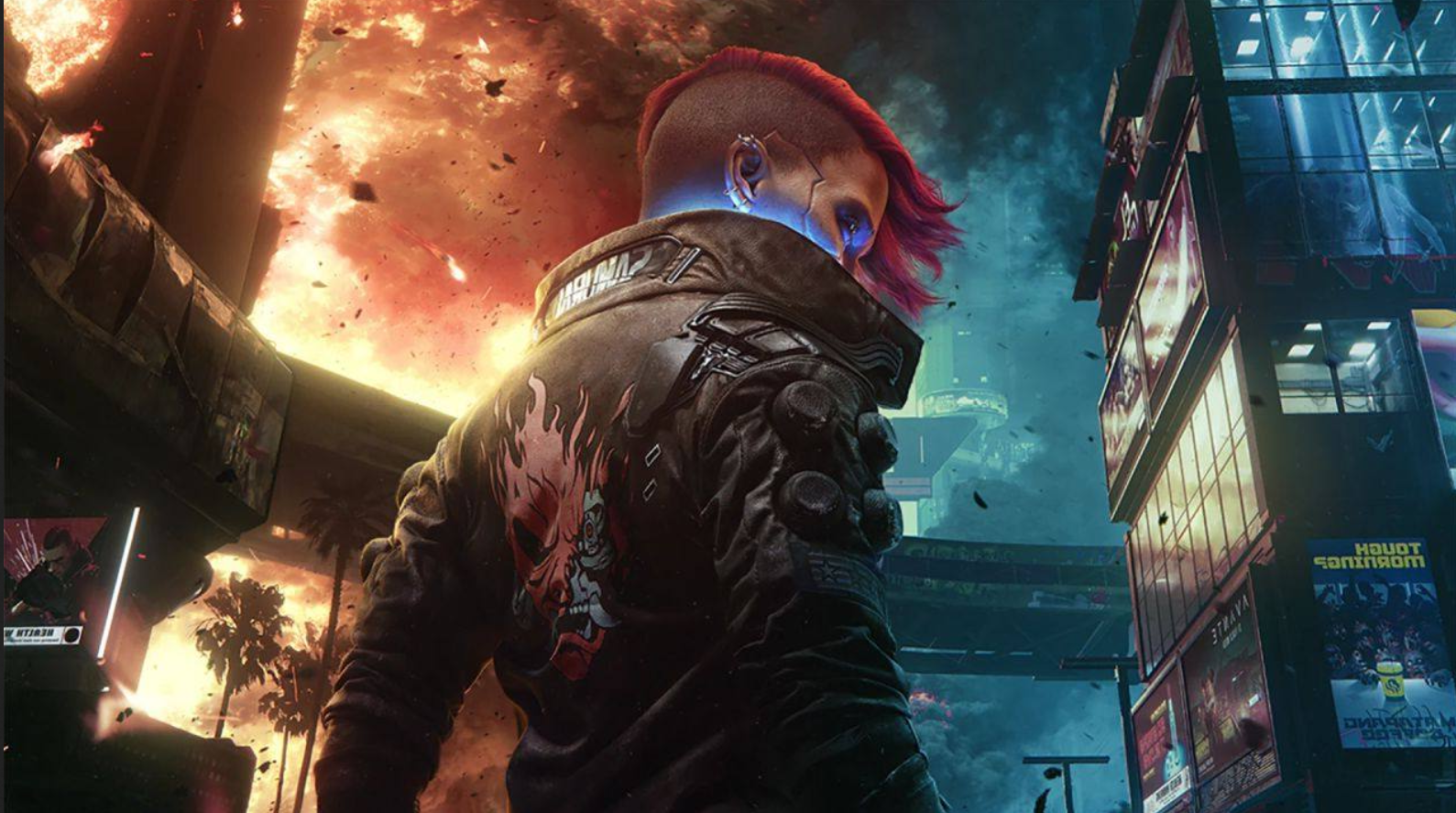
First-Person Gameplay Is Staying
A vocal portion of the Cyberpunk community has wanted the sequel to switch to a third-person perspective, largely because of how The Witcher series handles its camera. The job listings suggest that is not happening. A senior design role explicitly requires experience with action RPGs built around first-person shooter gameplay. I personally think this is the right call. First-person perspective in Cyberpunk 2077 made the Night City environment feel immersive in a way that a pulled-back camera simply could not replicate. Walking through Watson or Japantown with that ground-level view gave the city a physical presence. The visual style, the scale of the buildings, the detail at street level. Losing that to satisfy a preference for seeing the back of your character’s head would be a meaningful trade-off in the wrong direction. At the same time, the listings make clear the studio is not just maintaining the status quo on combat. A Senior Encounter Designer role lists creating combat scenarios that support varied playstyles and approaches as a core responsibility. That directly addresses one of the genuine criticisms of 2077, where certain builds felt underpowered compared to others and the level design sometimes pushed players toward specific solutions. A well-executed encounter design system should let you hack your way through a facility, sneak past every guard, or charge in loud, and have each path feel intentional rather than accidentally possible.Unreal Engine 5 Is the Entire Foundation
CD Projekt Red built Cyberpunk 2077 and The Witcher 3 on REDengine, a proprietary technology the studio developed in-house. That engine is now being retired. Every technical position in the Cyberpunk 2 listings requires Unreal Engine 5 experience, and the depth of the engine-specific work being described makes clear this is not a studio that is still learning how UE5 works. Developers are building custom rendering pipelines, advanced shader systems, and graphical tools specifically designed for Cyberpunk 2 within the Unreal Engine 5 environment. That is a significant distinction. Using Unreal Engine 5 out of the box is one thing. Extending and customizing it to the point where you have your own proprietary toolset running on top of it is another. CDPR appears to be doing the latter, which means the game will benefit from Epic’s ongoing engine development while also having bespoke visual systems tailored to Night City’s aesthetic needs. The practical implication for players is that Cyberpunk 2 should look substantially better than 2077 even at launch. The original game pushed the REDengine to its limits, and some of the performance issues at release were partly a function of a proprietary engine being stretched further than it was designed to go. Unreal Engine 5 has Nanite geometry, Lumen global illumination, and a development ecosystem with far more support resources. Building on top of that foundation while also adding custom work on top gives the team real technical headroom. For reference on what Unreal Engine 5 is capable of at the technical level, Epic Games’ official Unreal Engine 5 documentation covers Nanite, Lumen, and the other core systems in detail.MetaHuman Technology and What It Means for Characters
One detail buried in the listings is a preference for experience with MetaHuman workflows. If you are not familiar with it, MetaHuman is Epic Games’ technology for creating highly realistic digital human characters. It handles facial geometry, skin shading, and most importantly, facial motion capture integration in a way that can produce genuinely expressive performances. Cyberpunk 2077 had excellent voice performances across the board. Keanu Reeves as Johnny Silverhand was a genuine highlight. But some players felt the facial animation quality did not match the audio, particularly in conversations where characters stood still and delivered lines without much physical expression. The gap between what you heard and what you saw was occasionally noticeable. MetaHuman, properly used, directly addresses that specific problem. If CDPR uses MetaHuman as a foundation for character creation in Cyberpunk 2, the result could be performances that feel genuinely cinematic. Subtle expressions, realistic eye movement, micro-expressions during dialogue. Combined with the performance capture investment described below, this could be a meaningful generational step up from what 2077 delivered. You can learn more about how the technology works through Epic’s MetaHuman overview page if you want to understand the technical specifics of what it enables.The New Motion Capture Facility in Warsaw
CD Projekt Red confirmed separately from the job listings that it is building a new motion capture facility at its Warsaw headquarters. The facility will feature two dedicated stages for performance and motion capture recording. Having that capability in-house changes the production workflow in concrete ways. When you rely on external capture studios, booking sessions in advance is mandatory. Changes mid-production require rebooking, which adds weeks to timelines and money to budgets. An internal facility means the team can schedule sessions on short notice, redo a performance that did not land, capture new content when the script changes, and iterate on scenes without logistical barriers. The Lead Narrative Producer listing explicitly calls for experience managing motion capture, performance capture, and voice recording production pipelines. That is a senior role responsible for the entire process from scheduling sessions through to integrating captured performances into the game. The fact that this role exists at all tells you how central performance capture is to what CDPR is building for the narrative side of Cyberpunk 2. Cyberpunk 2077 featured some memorable storytelling moments. The Phantom Liberty expansion in particular showed what the studio can do when the production infrastructure is working well. Better capture facilities combined with a more capable pipeline could push the next game’s storytelling to a level closer to what top-tier cinematic productions achieve.How Development Is Split Across Multiple Studios
Cyberpunk 2 is not being made in one location. CD Projekt Red is coordinating development across offices in at least three cities, and the responsibilities appear to be divided by discipline rather than duplicated across locations. The Boston studio is handling core gameplay systems, multiplayer infrastructure, graphics technology, and key leadership roles. Warsaw manages animation direction, technical production, narrative production, and now the performance capture facility. Vancouver is expected to contribute environmental art, quality assurance, and technical support roles, though the specific scope of that office has not been publicly detailed by the company. Running a multi-studio project across time zones introduces real complexity. Morning standups for Boston happen at the end of Warsaw’s workday. Feedback loops get longer. Version control on shared assets becomes a coordination challenge. The job listings reflect this directly. References to cross-team collaboration appear in almost every role description, which is not standard boilerplate. It is an acknowledgment that working across distributed teams requires intentional communication infrastructure and that CDPR is already planning for it. The upside is access to a much larger talent pool. Boston and Vancouver both have deep gaming industry communities. Being able to hire strong candidates from those markets without requiring relocation to Warsaw makes recruiting faster and expands the range of experience the team can bring in.What We Still Do Not Know
The job listings tell us a lot about how Cyberpunk 2 is being built. They tell us almost nothing about what it contains. There is no information in any public listing about the game’s story, protagonist, central themes, or main characters. Night City will presumably return in some form based on prior reporting, and suggestions have circulated that players may visit at least one entirely new city in addition to an updated version of Night City. But none of that comes from CDPR directly. The tone and themes of the narrative are completely unknown. Cyberpunk 2077 used corporate dystopia, identity, and what it means to be human in a world saturated with technology as its thematic core. Whether the sequel continues those themes, departs from them, or uses a different protagonist and perspective entirely has not been hinted at in any official communication. Release timing is also genuinely unclear. Based on the pre-production status and ongoing senior hiring, a release date before 2028 seems unlikely. Some analysts have suggested 2029 or even 2030 as more realistic targets. CD Projekt Red learned an expensive lesson about announcing release dates before development is ready to support them. Expect official silence on timing for quite a while longer.
Full Cyberpunk 2 Controller and PC Button Layout Guide
While Cyberpunk 2 has not launched yet, the control scheme from Cyberpunk 2077 provides the most relevant reference point for what to expect. CDPR has indicated continuity in the first-person RPG framework, and the sequel is highly likely to build on the existing control foundation rather than redesign it entirely. Here is a complete breakdown of how controls work in the Cyberpunk framework, covering both PC keyboard and mouse input and Xbox controller layout, so you are prepared from day one.PC Keyboard and Mouse Controls
Movement and Navigation
| Action | Default Keybind |
|---|---|
| Move Forward | W |
| Move Backward | S |
| Strafe Left | A |
| Strafe Right | D |
| Sprint | Left Shift (hold) |
| Crouch / Slide | Left Ctrl (toggle or hold) |
| Jump / Vault | Space |
| Dodge | Double-tap movement key |
| Interact / Pick Up | F |
| Enter Vehicle | F (hold) |
| Lean Left | Q (while aiming) |
| Lean Right | E (while aiming) |
Combat Controls
| Action | Default Keybind |
|---|---|
| Aim Down Sights | Right Mouse Button (hold) |
| Fire / Attack | Left Mouse Button |
| Reload | R |
| Melee Attack | F (in melee mode) |
| Strong Melee Attack | F (hold) |
| Block / Parry | Right Mouse Button (melee) |
| Switch Weapon | Scroll Wheel or 1 / 2 / 3 |
| Grenade / Throwable | G |
| Quickhack Target | Tab (while targeting) |
| Scanner / Scan Mode | Tab (hold) |
| Use Consumable | X |
| Holster Weapon | Alt |
Interface and Menu Controls
| Action | Default Keybind |
|---|---|
| Open Inventory | I |
| Open Character Menu | P |
| Open Journal / Quests | J |
| Open Map | M |
| Open Crafting | C |
| Pause Menu | Escape |
| Dialogue Choice Select | 1 / 2 / 3 / 4 |
| Skip Cutscene | Enter |
| Phone / Messages | Hold Tab (open) |
| Radio Wheel | Hold B (in vehicle) |
Vehicle Controls on PC
| Action | Default Keybind |
|---|---|
| Accelerate | W |
| Brake / Reverse | S |
| Steer Left | A |
| Steer Right | D |
| Handbrake | Space |
| Horn | H |
| Exit Vehicle | F |
| Shoot from Vehicle | Left Mouse Button (with weapon equipped) |
| Look Behind | Num 5 or Camera key |
Xbox Controller Layout for Cyberpunk
The Xbox controller scheme in Cyberpunk 2077 is well thought out for a game that blends shooting, hacking, and RPG mechanics. Here is the complete mapping broken down by input type.Thumbsticks and Triggers
| Input | Action |
|---|---|
| Left Stick (move) | Character movement and vehicle steering |
| Left Stick (click / L3) | Sprint toggle |
| Right Stick (look) | Camera control and aiming |
| Right Stick (click / R3) | Melee attack / zoom toggle when scoped |
| Left Trigger (LT) | Aim down sights |
| Right Trigger (RT) | Fire weapon / accelerate in vehicle |
| Left Bumper (LB) | Switch left weapon slot / use throwable |
| Right Bumper (RB) | Switch right weapon slot / reload shortcut |
Face Buttons
| Button | Action |
|---|---|
| A | Interact / confirm / jump |
| B | Crouch / cancel / exit menu |
| X | Reload / use consumable / pick up item |
| Y | Holster or draw weapon / switch weapon type |
D-Pad Functions
| D-Pad Direction | Action |
|---|---|
| Up | Use equipped consumable (healing item) |
| Down | Toggle scanner / scanning mode |
| Left | Previous weapon |
| Right | Next weapon |
Menu and System Buttons
| Button | Action |
|---|---|
| Start / Menu Button | Pause menu |
| Back / View Button | Open main journal and quest tracker |
| Hold View Button | Open full map |
| Hold Menu Button | Open character inventory |
Combat Techniques Using Controller
The controller layout rewards players who learn to combine inputs. Holding LT to aim and pressing B simultaneously activates a dodge roll in many build configurations, which is critical for staying mobile in firefights. Pressing L3 during a sprint lets you slide into cover. During hacking, holding the scanner button and moving the right stick cycles through hackable targets in the environment, letting you queue actions without breaking cover. For stealth builds on controller, the most useful combination is B to crouch, then careful use of left stick movement at partial tilt rather than full push to control movement speed and minimize detection range. The game registers how hard you push the stick, so light inputs genuinely produce quieter movement. Most controller players miss this because it is not explained in the tutorial.Vehicle Combat on Controller
| Input | Action |
|---|---|
| RT | Accelerate |
| LT | Brake and reverse |
| Left Stick | Steering |
| A | Handbrake |
| RB | Fire equipped weapon from vehicle |
| LB | Switch firing side (shoot left or right of vehicle) |
| B | Exit vehicle |
| Right Stick | Look around while driving |